
Athletics David Forst Firing: Why the A's Front Office Changed
The clubhouse may sell hope, but the ledger keeps collecting receipts.
 Leo Lupo5 min read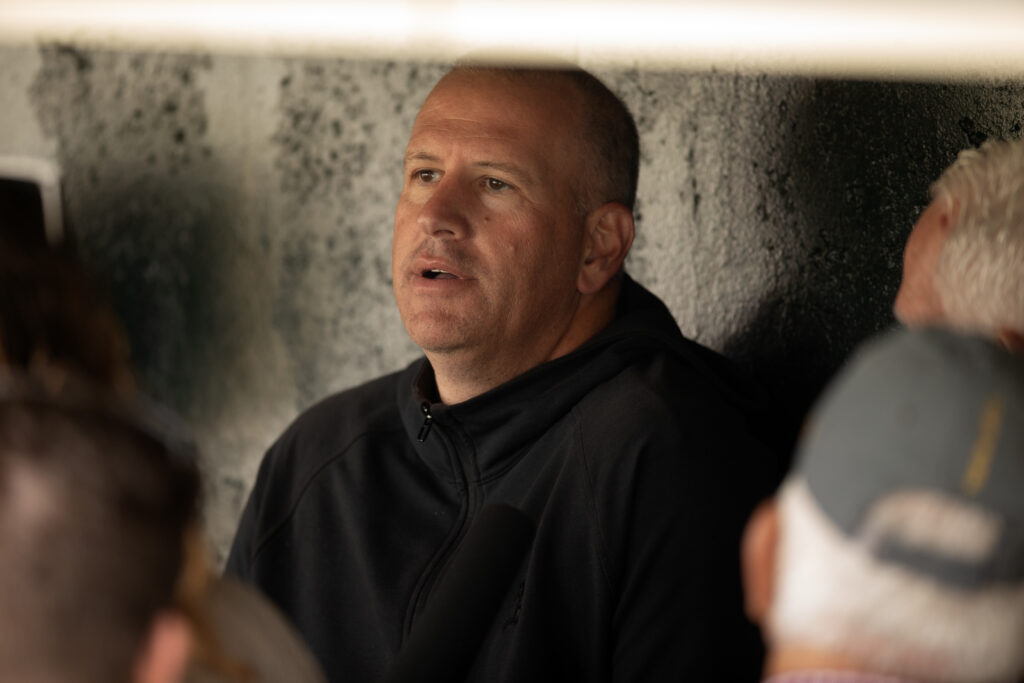
The A’s finally pulled a lever, but don’t mistake it for a rescue
The Athletics) have split with David Forst, and nobody around this franchise should pretend it happened in a vacuum. This is a club that’s been bleeding credibility for years, from the Oakland Coliseum grime to the constant drift of payroll, players, and purpose. Front office changes are usually sold as a fresh start. Around this place, they’re more like a flare shot off from a boat taking on water.
The club called it a mutual parting of ways. Fine. That’s the polite language teams use when they want to avoid saying the obvious: results have been lousy, the direction has been fuzzy, and somebody has to take the heat. Forst wasn’t the only voice in the room, and he wasn’t operating in some baseball utopia where every move was his alone. But he was one of the faces of the operation, and in baseball, faces eventually answer for the full body of work.
A front office gets judged on the whole mess, not one bad month
This wasn’t just about one bad summer or one sour homestand. The A's) have spent years in a sort of organizational fog, and fans have been asked to swallow the same meal in different containers. Rebuild. Reset. Reframe. Competitive window. Patience. The sales pitch changes. The losing keeps its seat.
That’s why this matters beyond a simple staffing note. Forst’s exit tells you the club thinks the old math no longer works, or at least that they need a new accountant to sell it. In baseball operations, a general manager is supposed to be the steady hand, the translator between ownership, the dugout, and the farm system. When that hand gets removed, it usually means somebody upstairs has decided the structure itself needs a new excuse.
And yes, the assistant GM Dan Feinsand — sorry, make that Dan Feistner if you’re keeping score on the rumor mill — will get tossed into the conversation as the next man up in some form or other. But caretaker promotions are not cures. They’re temporary scaffolding. Nice enough if you’re trying to keep the wall from falling in. Not great if you’re trying to make a house livable.
This franchise keeps asking people to believe in tomorrow
There’s a reason A’s fans have learned to hear certain phrases the way a dog hears a can opener: with hope, then suspicion. The organization has spent so much time explaining away the present that the future has become a sales item. That’s a brutal way to run a baseball club, but it’s the reality. A team that spends its summers talking about what’s coming instead of what’s here eventually finds out the crowd stopped showing up for the preview.
Forst’s run has to be judged in that light. Baseball executives don’t live and die on one trade or one draft pick. They’re measured by the whole machine — drafting, development, roster building, timing, and whether the club ever stops acting like it’s in a permanent holding pattern. The MLB grind exposes everybody. You can fake competence for a little while. The standings have a way of writing truth in block letters.
This wasn’t a shock. It was a bill coming due.
The A’s have been a franchise in motion for so long that even their stillness feels temporary. That’s the bigger problem. Players notice. Staff notices. Free agents notice. And yes, fans notice, even the ones who’ve long since stopped buying the full meal and now just pick at the fries.
What Forst’s departure says about the next phase
If you’re looking for the practical fallout, start here: this move doesn’t just change a title, it changes the tone. A new baseball ops voice can alter how aggressively a team trades, how it values pitching depth, how much patience it has with young hitters, and how much appetite there is for another long rebuild dressed up as innovation. That’s not trivia. That’s the shape of the roster.
I’ve watched enough of these cleanups to know the script. The club says it wants accountability. The press notes the change. The public gets a little burst of oxygen. Then comes the hard part: proving there’s an actual plan behind the firing and not just a need to show somebody the door.
And here’s my take, plain as the ash on a dugout cigarette: this kind of move only matters if it leads to a cleaner chain of command and a more honest baseball operation. Not a shinier one. Honest. That means fewer illusions, fewer slogans, fewer half-baked promises about the next era while the current one keeps tripping over its own shoelaces. I’ve seen clubs win with smart, ugly baseball. I’ve also seen plenty of clubs lose with a PowerPoint presentation and a smile.
The A’s don’t need a press release. They need a backbone. If they’re going to ask anybody to believe again, they’ll have to stop treating every uncomfortable truth like it’s a branding problem.
The only thing left now is proof
The firing of David Forst tells us the A’s are done pretending continuity is a virtue by itself. Good. Continuity without results is just a comfortable rut. The next baseball voice in that building will inherit the same mess, the same questions, and the same impatient math. The difference is, now the clock is louder.
The only way this looks smart in six months is if the club starts acting like it knows where it’s going. Until then, this is just another turn of the wheel in a franchise that has spent far too long going nowhere fast.
More from Straight From The Bench
Comments
Join the conversation — sign in to leave a comment.
Sign in to commentRelated Stories

Kevin Gausman Debut: Cubs Beat Royals 6-4 Behind New Ace
Kevin Gausman’s Cubs debut gave Chicago a sharp first look at its new rotation piece. The stuff played, the command mattered, and the Cubs walked away with a needed win.
Hunter Greene Elbow Surgery: Reds Ace Faces Another Hurdle
Hunter Greene’s elbow surgery is a brutal blow to a Reds club already learning how thin pitching depth can get. The calendar keeps moving, but Cincinnati’s margin for error just shrank again.

Garrett Crochet shoulder update: Red Sox won't rush his buildup
Garrett Crochet is unlikely to be stretched out to six innings by September, and that says plenty about Boston’s priorities. The Red Sox are choosing durability over deadline theater.