
Luis Castillo Trade: Mariners Send Ace to White Sox
Seattle finally moves the arm that changed its ceiling — and shifts the deadline board fast.
 Zane Miller6 min read
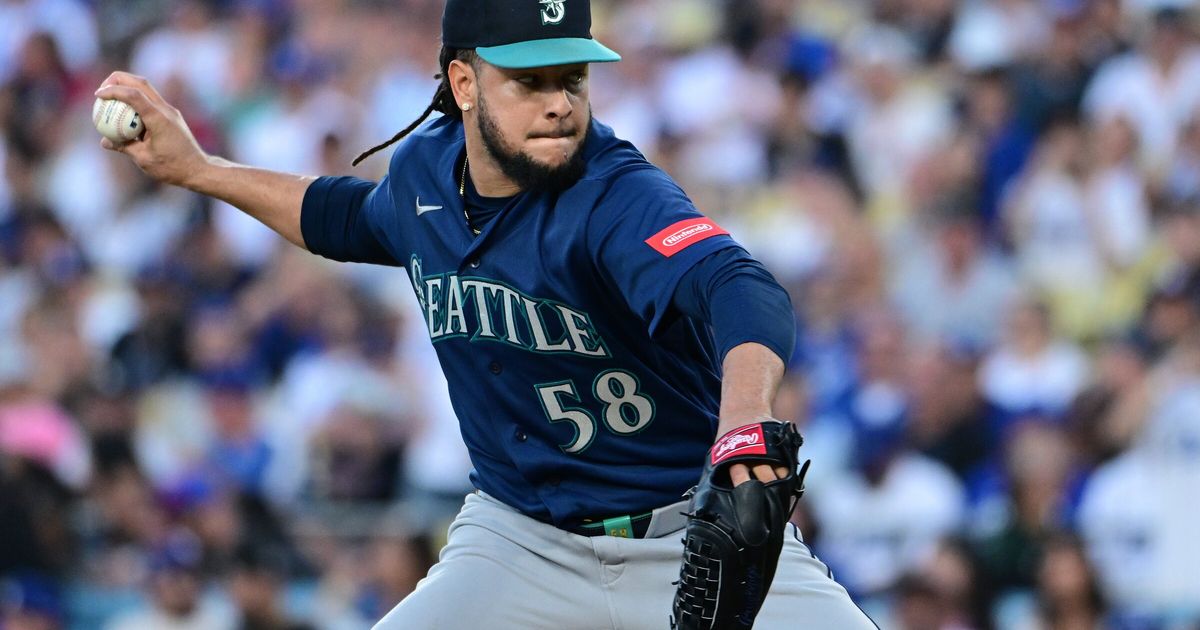
Luis Castillo is no longer a Mariner, and that alone tells you how aggressively Seattle is choosing to redraw its board. This is not a soft reset around the edges. This is the kind of deal that says the front office looked at the roster, the payroll, and the trade market and decided the next move mattered more than the name on the back of the jersey.
Castillo was the big-ticket arm, the one who gave Seattle innings, credibility, and a very different kind of runway in October conversations. Now he’s headed to the White Sox, and the Mariners are bringing back reliever Seranthony Dominguez, outfielder Nolan Jones, and Boston Smith. Different archetypes, different timelines, different pressure points. That’s the whole story right there.
Seattle moved the premium chip and chose flexibility
The Mariners have spent years trying to thread a very specific needle: stay competitive, keep the rotation strong, and avoid the kind of dead-end payroll spiral that can wreck a mid-market roster. Castillo was a premium piece in that equation. He was the sort of starter contenders don’t just like — they plan around.
Trading him means Seattle is betting it can replace value in aggregate, not in one clean, ace-shaped block. That’s a dangerous game if the incoming pieces don’t hit. It’s also the kind of move a front office makes when it believes the rest of the market is about to get expensive and messy.
If you want the bigger board, this fits the current deadline mood. Teams are hunting controllable pitching, bullpen help, and any bat with upside that doesn’t require a five-year commitment. Seattle just turned one expensive asset into three bets. That’s a very different kind of roster construction than the one fans usually want, but it’s often the one executives prefer when they think the room is getting thin.
The best comp inside the market chatter is the sort of deadline reshuffling you see when a club decides it would rather spread risk than concentrate it. We’ve already seen how quickly the rumor mill has moved around pitching this month, from the MLB Trade Deadline Rumors chatter to the very real pressure on clubs to act before the board dries up.
What Castillo meant in Seattle, and why moving him matters
Castillo wasn’t just good. He gave the Mariners the confidence that every series could start on stable ground. That changes everything for a front office, because it affects how you use the rest of the staff, how you line up matchups, and how much stress you put on the bullpen over six months.
He also carried the kind of market value teams don’t get many chances to extract cleanly. Frontline starters at that level are the closest thing baseball has to a currency. If you move one, you’d better believe the return is either massive upside, immediate roster help, or both.
Seattle’s return suggests a layered approach. Dominguez gives the bullpen a live arm and a chance to stabilize late innings. Nolan Jones brings a more volatile but interesting bat profile, the type of player with enough tools to matter if the environment is right. Boston Smith is the lottery-ticket piece, the one that tells you this trade isn’t just about today’s depth chart — it’s about what the organization thinks it can cultivate.
That’s the part fans will debate hardest. If you’re selling Luis Castillo, you’re not doing it to get cute. You’re doing it because you believe the margin between “good” and “better” now lives in the accumulation of smaller wins. Some clubs are built that way. Others need the ace. Seattle just chose the former.
The White Sox are buying the kind of arm that changes conversations
For Chicago, this is the more straightforward side of the deal. The White Sox didn’t trade for a mid-rotation stabilizer. They got a pitcher with a real frontline pedigree, the kind that can change the tone of a rotation immediately and give the clubhouse a reason to breathe a little easier every fifth day.
That matters in a market where pitching scarcity has become the real currency. Teams can talk about bats all they want, but the difference between contender and pretender often shows up in how many innings the best arms can cover. Castillo gives Chicago that chance.
It also changes how opposing executives will read the White Sox now. Once a team lands a pitcher of this caliber, it forces everyone else to recalibrate. Are they done? Are they still hunting? Are they trying to stack on top of this deal with another move? Deadline season is built on that kind of ripple effect.
The White Sox now have a better answer on the mound, and they did it without waiting for the market to fully inflate. That’s smart. It’s also a sign they understood the leverage point better than some clubs that wait too long and end up paying peak price for second-tier help.
The ripple effect is bigger than just these two clubs
This trade doesn’t live in isolation. It hits the rest of the deadline ecosystem right in the ribs. Starting pitching inventory shrinks whenever a deal like this happens, and every contender still hunting for help now has one fewer top-end option to chase.
It also nudges the bullpen market. A reliever like Dominguez isn’t the headline, but he’s the sort of piece contenders circle once the premium starters start coming off the board. Once a trade like this lands, teams in need of relief help start moving faster, because they know the next tier is where the panic tax begins.
There’s a domino effect here, and front offices know it. They always do. That’s why these deals happen early enough to matter. It isn’t only about Seattle and Chicago. It’s about the message to everyone else still staring at the same spreadsheet and waiting for prices to fall.
Trading Luis Castillo is a clear signal: Seattle chose roster math over star power.
My read: this is the kind of move executives make when they trust their pipeline
I’ll be blunt. I like the logic more than I like the optics.
That’s not me saying fans should celebrate shipping out an ace. They shouldn’t. Castillo is the rare pitcher who changes a team’s posture just by taking the mound. But if Seattle believes its next competitive window is tied to depth, cost control, and a wider spread of outcomes, then this is exactly the sort of move a cold-blooded front office makes. Teams don’t usually trade a name like this unless they think the replacement plan is already in motion.
The history of deadline baseball is littered with clubs that held too long and got trapped paying for certainty they could have bought cheaper earlier. Seattle just did the opposite. They moved first, and they moved a player whose market should still be robust. That usually means one of two things: either the front office sees something the public doesn’t, or it’s convinced the rest of the roster can carry more of the load than the headline says.
I’m betting this is about trust. Trust in the farm, trust in run prevention by committee, trust that three pieces can matter more than one star if the construction is right. Sometimes that works. Sometimes it gets you killed in October.
The next few days will tell us which way Seattle thinks this is going. If this was the first domino, the Mariners aren’t done. If it was the whole play, they just made the most controversial bet on the board.
More from Straight From The Bench
Comments
Join the conversation — sign in to leave a comment.
Sign in to commentRelated Stories

Dodgers Trade for Tarik Skubal: LA Lands the Ace
Los Angeles didn’t shop for a nice-to-have. It went and grabbed a frontline ace in Tarik Skubal, and that changes the whole temperature of October.
Luis Castillo Trade: Mariners Send Ace to White Sox
Luis Castillo is on the move, and the trade tells you everything about where the Mariners see themselves right now. Chicago gets rotation heft; Seattle chooses the long view.

Camilo Doval Trade: Yankees Deal Reliever to Pirates
The Yankees moved Camilo Doval to Pittsburgh after his role shrank in the bullpen pecking order. New York gets two prospects and keeps chasing cleaner late innings.