
UNC Football GM Michael Lombardi Placed on Leave
A familiar football name meets the hard edges of institutional silence.
 Beatrice Kensington6 min read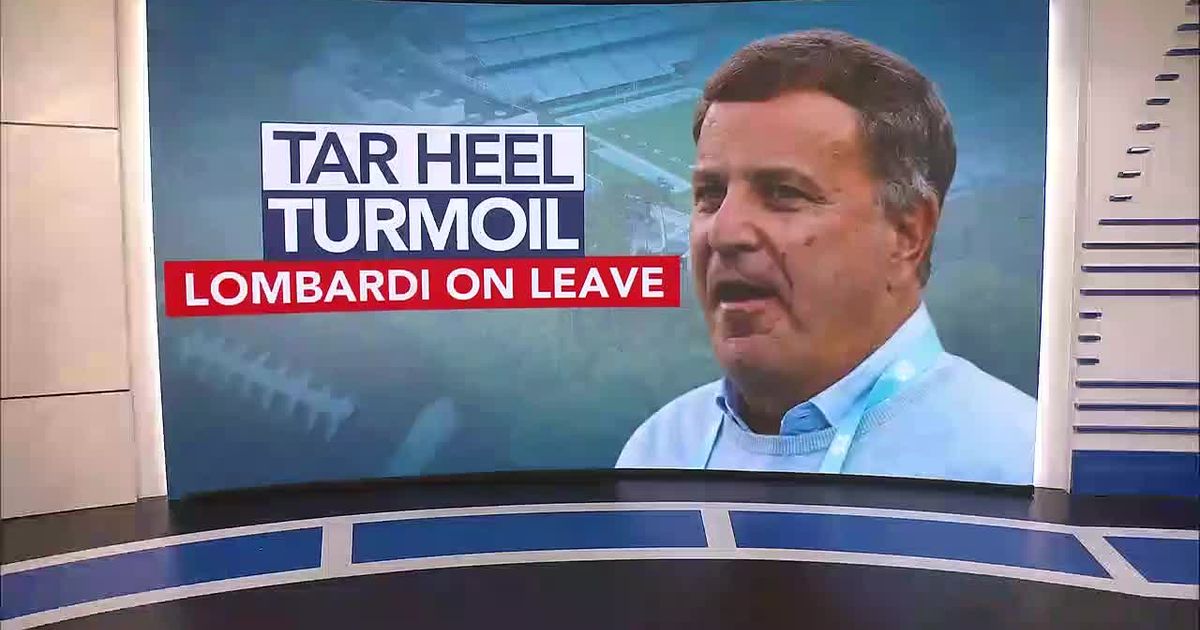
A quiet decision with loud echoes
Michael Lombardi’s removal to paid administrative leave lands with the kind of force that does not need a press conference to be felt. In Chapel Hill, where the University of North Carolina at Chapel Hill has spent years trying to modernize its football operation, the title on the door matters almost as much as the man inside it. A general manager is supposed to be the bridge between ambition and execution — the adult in the room who turns recruiting calendars, roster construction, and personnel judgment into something sturdier than hope.
Now that bridge is being inspected. Quietly, firmly, and immediately.
Paid leave is one of those bureaucratic phrases that sounds tidy until you listen closely. It means the university is not ready, or not willing, to say more. It means the work stops while the questions begin. And in college football, where optics are half the job and trust is the other half, that pause can feel like a crack in the foundation.
Why Lombardi mattered in the first place
UNC did not bring in Lombardi to be decorative. He arrived with a football résumé that stretched from the NFL into roster-building circles that prize institutional memory, blunt evaluation, and a certain hard-nosed old-school sensibility. Around the sport, his name has long carried the weight of a man who understands how front offices think, how coaches talk, and how the hidden machinery of a roster works.
That is precisely why this matters. Programs do not hire figures like Lombardi merely to pad a staff directory. They hire them because college football has become professional football’s younger, messier cousin — transfer portal, NIL, salary-equivalent competition for talent, and a recruitment race that demands administrative speed as much as sideline charisma. The general manager role is no longer ornamental. It is leverage.
For UNC, that leverage was supposed to help build something more durable around Bill Belichick-era aspirations? No, this is not about a Patriots transplant or a silver-haired NFL shadow. This is about a school trying to organize itself like a modern football enterprise, and suddenly being forced to explain why a central executive has been sidelined.
Chapel Hill’s football ambitions now face a credibility test
The Tar Heels have lived for years in the shadow of a familiar Southern tension: enough brand power to matter, not always enough football certainty to command the room. UNC is an institution with national academic prestige, a passionate fan base, and a football program that has too often had to prove it belongs in the same sentence as the better-run powers in its conference.
That makes any internal disruption more damaging than it might seem from the outside. A football GM is not a luxury in this era; he is part of the program’s signal to recruits, parents, donors, and rival staffs that there is order here. There is a plan. There is somebody minding the ledger.
A sudden leave invites a harsher reading. Are there governance issues? Personnel issues? A conflict that had been simmering behind the scenes? The university has said little, and in moments like this, silence itself becomes an answer people try to interpret. The longer it lasts, the more every recruiting conversation and every hallway rumor begins to collect its own weather.
In college football, the public rarely sees the fire until the smoke is already in the rafters.
The modern college football front office is now exposed
What makes this episode bigger than one administrator is the way it exposes the fragile new architecture of college football. Schools have borrowed the language of pro sports — general manager, personnel department, cap logic in all but name — while still operating inside universities built for a different century.
That mismatch creates risk. In the pros, a front office can absorb turbulence because the franchise structure is built for it. In college, the whole operation is braided into academics, compliance, boosters, public records, and institutional politics. One personnel change can ripple through recruiting, donor confidence, coaching relationships, and the school’s broader public image.
That is why the timing of this leave matters so much. Even if the university eventually frames it as a temporary administrative matter, the damage is often done in the interval. Recruits notice. Rivals notice. Agents notice. And in a sport where perception can become fact before the next signing period, that is not a small thing.
There is also the human cost, which these situations often flatten into language so antiseptic it nearly erases the person at the center. Lombardi is not merely a headline or a résumé. He is a professional suddenly cut off from the rhythms of a job he was hired to perform. Around him are assistants, support staff, and coaches who have to keep answering questions while knowing full well they do not control the answers.
What I think this signals for UNC and the sport
I have long believed the most revealing moments in college football are not the roaring Saturdays but the administrative pauses — the unexplained leave, the abrupt restructuring, the donor whisper that turns into a boardroom decision. That is where the sport shows its real self. Not in the pageantry, but in the plumbing.
UNC’s move suggests a program still trying to define the boundaries of its own ambition. If the school believed the football operation needed professional-grade oversight, then it must now show that it also has professional-grade accountability. One without the other is just branding.
This is part of a broader pattern across the sport. Universities have imported NFL methods without always importing NFL discipline, and that tension is going to create more moments like this. Sometimes the issue is personality. Sometimes procedure. Sometimes the old college habit of making big public bets before the internal structure is mature enough to support them.
The lesson here is not that front-office modernization is a mistake. It is that modernization without clarity can become its own kind of vulnerability. Schools are asking football to behave like business while still protecting the old collegiate aura. Those two things do not always coexist peacefully.
For more on how football programs are reordering themselves around power and personnel, see our coverage of Jamal Adams’s Vikings signing and the broader strain of Chiefs family turmoil that reminds us how quickly off-field matters can swallow the football conversation.
The university will eventually have to say more. It always does. Until then, Chapel Hill sits in that uneasy middle ground where a single personnel move becomes a referendum on the whole operation.
The next statement will matter. So will the next hire, the next visit, the next public explanation. This story is not standing still.
More from Straight From The Bench
Comments
Join the conversation — sign in to leave a comment.
Sign in to commentRelated Stories

College Football 2026 Quarterback Rankings: Power 4 Starters
The 2026 QB rankings aren’t just preseason noise. They’re a map of who can survive the grind, hide flaws, and win in October.

North Carolina Mike Lombardi Leave: Belichick’s New Project Shaken
North Carolina has sidelined general manager Mike Lombardi, a key Bill Belichick ally, and the ripple effects reach far beyond one office door.

Kansas City Chiefs Coach Family Arrest: Elijah Bieniemy Case
Elijah Bieniemy’s arrest puts a painful family crisis into public view. For the Chiefs, this is bigger than a sideline story.