
WNBA All-Stars Obama Surprise: Caitlin Clark’s Moment in Chicago
A presidential cameo, a league in full bloom, and a room that suddenly felt bigger.
 Beatrice Kensington6 min read
A side door, then the room changed
The surprise arrived the old-fashioned way, through a side door and into a room already humming with purpose. One moment the WNBA All-Stars were at practice, shaping the weekend’s work in the familiar rhythms of elite athletes; the next, former President Barack Obama was there in the flesh, and the air shifted. That kind of entrance does not just interrupt a workout. It rearranges the emotional furniture.
Caitlin Clark, who has spent the better part of the last year carrying the strange, loud burden that comes with being both brilliant and watched, called the encounter an awe-filled one. That reaction matters. Not because Obama remains a celebrity — though he plainly does — but because his presence in that gym, at his Presidential Center in Chicago, signaled something larger than a brief hello. It said the league has reached a cultural altitude where presidents show up to see it, not merely to praise it from a distance.
What Obama’s visit says about the WNBA’s rise
The Chicago Sky and their All-Star neighbors are not operating in the margins anymore. They are living in the center of American sports conversation, where interest is now measured in television windows, arena noise, ticket demand, and a kind of national curiosity that used to be reserved for the men’s game alone. Obama’s remarks about how the game has been growing lately — and he was right to use that phrase in the present tense, as something happening now, not some distant promise — reflect a league that has finally turned years of patient building into something the broader country cannot ignore.
There is a temptation, especially in moments like this, to reduce the significance to spectacle. President meets star. Photo, handshake, smile. Done. But that would miss the point. Obama’s appearance works as a form of institutional recognition. The WNBA has long had the talent. It has often had the social urgency. What it has not always had is the full-body attention of the American mainstream. That attention is here now, and it is changing the terms around the league.
It changes how players are covered. It changes how they are marketed. It changes what fans expect and what owners are willing to invest.
The league is no longer asking to be seen. It is forcing the country to look.
Caitlin Clark and the burden of visibility
Clark’s reaction landed with a particular weight because she has become one of the league’s most visible figures, whether she asked for that role or not. Every movement around her is freighted with meaning. Every interaction becomes a referendum on popularity, respect, pressure, race, money, style, and the old arguments that trail women’s basketball like shadows at dusk.
That is not her fault. It is the reality of stardom in a league where one player can bend the conversation around her and still not be able to control it. The surprise visit from Obama offered a rare softer edge to that experience. For once, the gaze was not judgmental or combative. It was admiring. Clark, like the rest of the All-Stars, got to be a player first and a symbol second.
That distinction is easy to miss, but it is precious. In women’s sports, especially, the public often wants its stars to explain themselves before they are allowed to simply exist. A president’s surprise visit cannot fix that imbalance, but it can validate the space these athletes occupy. It can remind a young fan, watching from a phone or a television or a seat in the building, that this league is part of the country’s serious sporting life.
The broader lesson is not lost on anyone who has followed the arc of women’s basketball through the years. The league does not need permission anymore. It needs infrastructure, consistency, fair coverage, and the kind of investment that matches the audience now gathering around it. Obama’s presence was symbolic. Symbols matter. They do not pay the bills, but they tell the truth about where the culture is headed.
The bigger picture: from novelty to institution
I have written enough about American sports to know that the most dangerous word in coverage is “moment.” Moments can vanish in a breath. They can be mistaken for destinations when they are really only rest stops. This one feels different, not because of the man who walked through the door, but because of the company he was there to see.
The WNBA has spent decades being described as promising, emerging, growing, ascending — the verbal scaffolding of a thing that still has to prove it belongs. What Chicago offered on Friday was a glimpse of belonging already achieved. The All-Stars were not being granted entry into basketball culture. They were hosting it.
And Obama, for all his own gravity, was the guest.
That reversal says plenty. It says women’s basketball has entered the part of the story where the challenge is no longer getting people to notice. The challenge is handling the notice well. Can the league keep its standards while the attention swells? Can teams, broadcasters, sponsors, and arenas match the quality of the players on the floor? Can the sport resist the lazy old habits that flatten women’s leagues into side notes whenever a superstar leaves the frame?
I think it can. More than that, I think it must. Because this is how institutions are built now: not in one thunderclap, but in a chain of credible encounters that teach the public to take the league seriously. A presidential surprise is not the foundation. It is one of the loud, unmistakable bricks.
What comes next for the league’s spotlight
The All-Star weekend will move on. The cameras will follow the next story, because cameras always do. But this one lingers, especially for a league that has spent so much of its life proving that women’s basketball deserves the same grand stage as any other professional sport. The ripple effects are already clear. More eyes. More scrutiny. More expectation. Also more opportunity, which is the part that should not get buried beneath the applause.
For readers tracking the wider sweep of this basketball moment, the league’s current visibility sits in the same family of attention as the broader star power around the sport, from LeBron James’s latest chapter to the way players like Clark have become shorthand for a new era of interest. Different stories, same truth: basketball remains one of America’s great public stages, and the WNBA is taking its rightful place there.
Chicago got its surprise. The league got its signal. The rest of the country got another reminder that the women’s game is not arriving someday.
It is already here, and the door is open.
The next test is not whether people show up. They already are. The test is whether the league keeps giving them a reason to stay.
More from Straight From The Bench
Comments
Join the conversation — sign in to leave a comment.
Sign in to commentRelated Stories
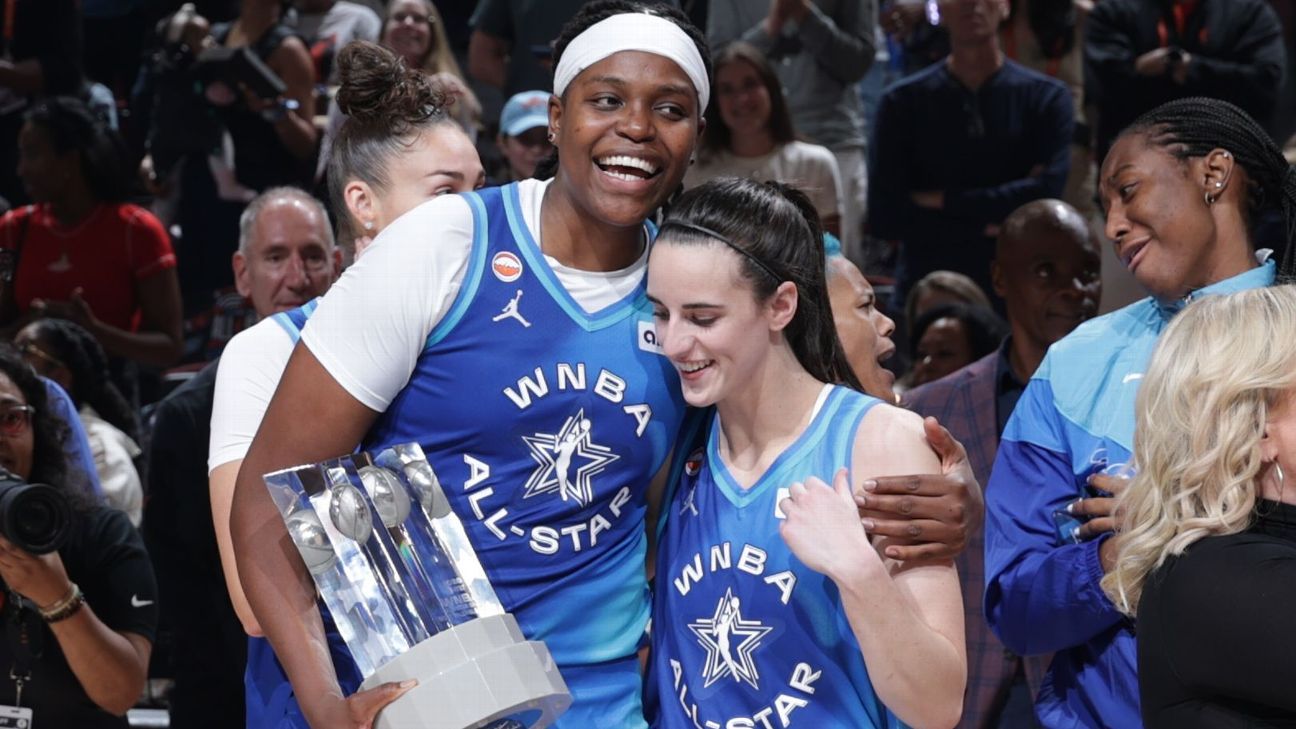
2026 WNBA All-Star Game Grades: Jonquel Jones, Caitlin Clark Lead
Jonquel Jones made history, Caitlin Clark kept raining 3s, and the rest of the All-Star crowd got sized up the old-fashioned way: by what they did in the light.
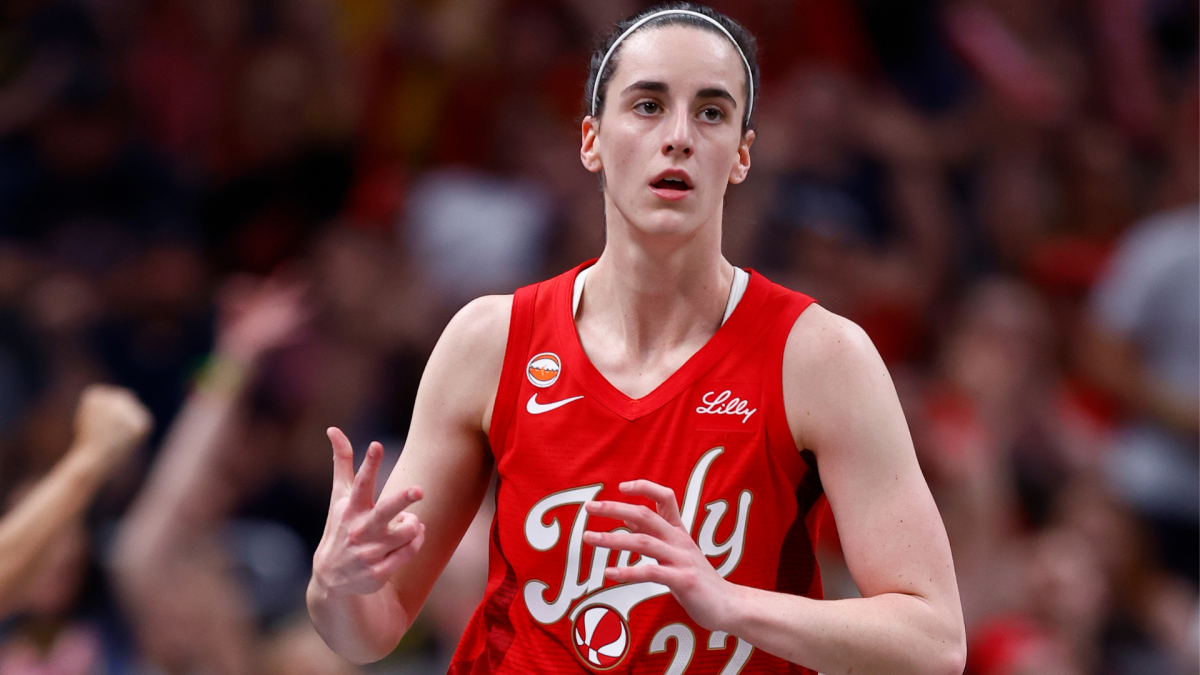
WNBA All-Star Game 2026: Caitlin Clark, A'ja Wilson Shine in Chicago
Chicago’s United Center became a showcase for the WNBA’s present and future. Caitlin Clark and A’ja Wilson headlined a night built for star power.
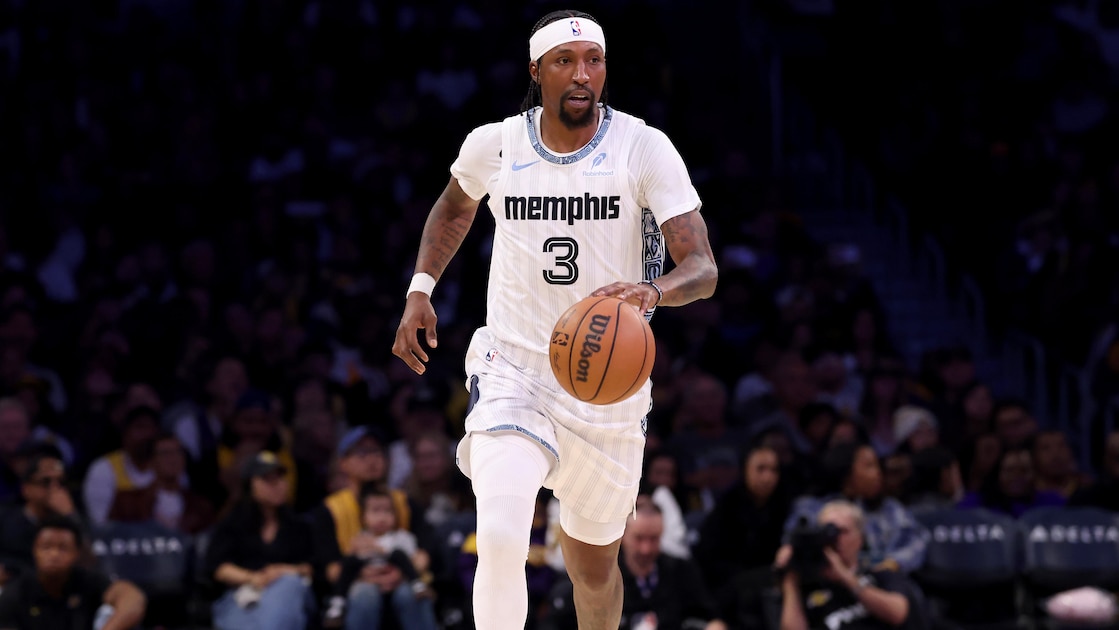
76ers Kentavious Caldwell-Pope Signing: What It Means for Philly
Kentavious Caldwell-Pope is reportedly headed to Philadelphia, giving the 76ers a proven two-way guard who knows how to survive playoff basketball.