
World Cup 2026: FIFA discipline debate after Spain-Argentina scuffle
A final whistle turned ugly. Now the grown-ups have to decide whether to swing the hammer.
 Leo Lupo5 min read
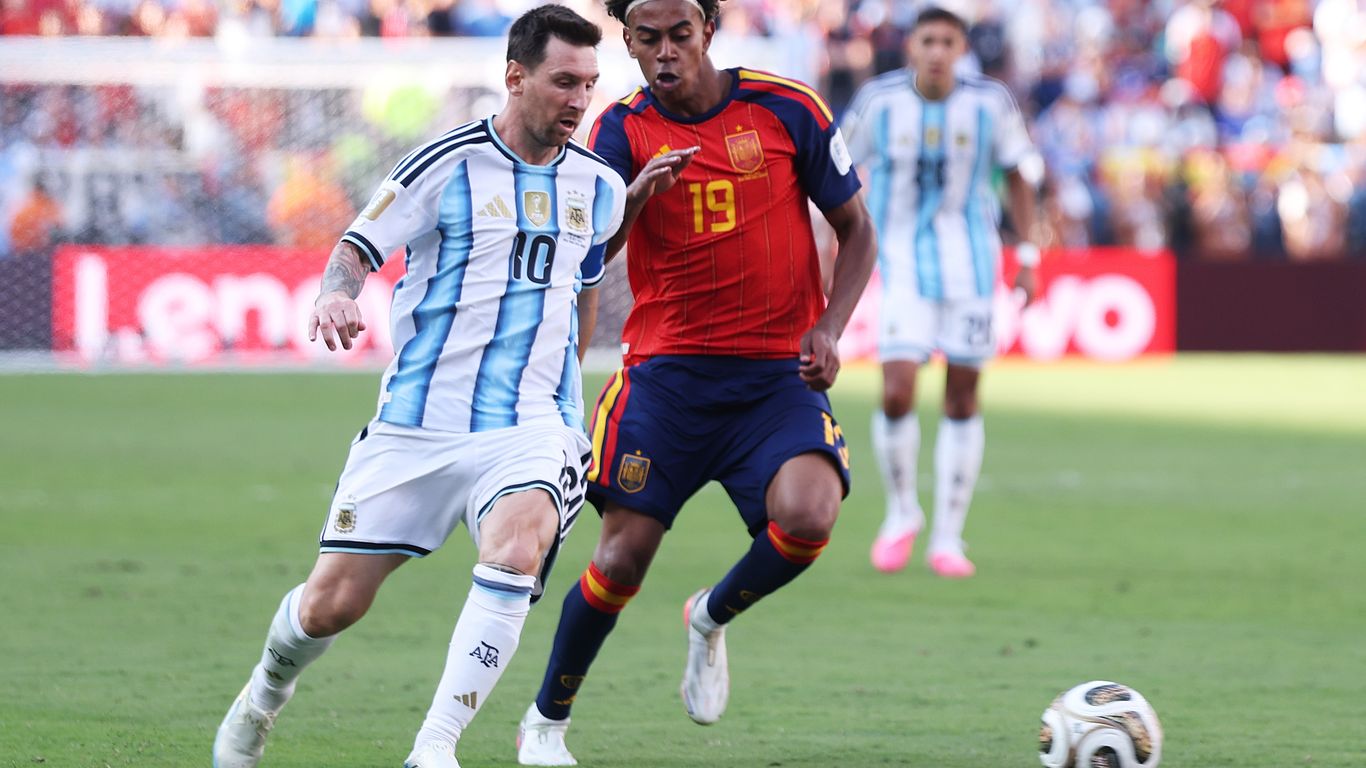
Spain took the trophy and Argentina took the hard road to the tunnel, but the picture everyone is still chewing on is a hand around Eric García’s throat. That is how fast a World Cup final can turn from champagne to old-fashioned bush league. One second it’s the biggest stage in the sport. The next, it looks like a pub fight with nicer grass.
The report out of the aftermath says Leandro Paredes grabbed Eric García by the throat after Spain beat Argentina 1-0 in the FIFA World Cup final. And now the familiar soccer sermon starts up again: should FIFA come down hard, or let tempers ride because the match was already over and the stakes were enormous?
A final whistle does not wipe the stain
There’s always a bit of roughhousing after a final. Some shoving, a few pointed words, a shirt tug if the officials aren’t quick enough with the separation. Fine. Men get heated. It’s a contact sport, and nobody made the trip to the final to exchange pleasantries and hand-knit souvenirs.
But grabbing a man by the throat is not a misunderstanding. It’s not “passion.” It’s not one of those vague, broadcaster-friendly phrases folks use when they don’t want to call a cheap act cheap. You can be angry, defeated, embarrassed, all of it. You still don’t put hands there.
The detail matters because the World Cup is supposed to be the one place where the sport still pretends it has a little more dignity than the rest of the carnival. The players know the cameras are everywhere. The officials know it too. If Paredes gets treated like this was just another dusty scrap in a September league match, then the message is simple: do what you want after the final whistle and trust the adults to clean it up later.
Spain got the medal; FIFA got the headache
Spain, of course, will want the story to stay on the scoreboard and the silverware. That’s the proper instinct. They won the match. They should not have to spend the next week answering for Argentina’s bad manners. Yet this sort of flare-up does not stay neatly on one side of the locker-room door. It drips everywhere.
The name on the front of the shirt matters less than the image on the screen. A throat-grab in a final tells the public something rotten about control, and it lands on the whole event. That’s the problem for FIFA. They sell the World Cup as the cleanest, grandest, most sacred piece of the calendar. Then a final ends with a player losing his head like he’s trying out for a back-alley brawl.
And let’s not kid ourselves: discipline in these moments is part punishment, part theater. FIFA likes to look stern when the world is watching. Sometimes it works. Sometimes it feels like a sternly worded postcard after the barn’s already burned down.
If FIFA shrugs at a throat-grab in a World Cup final, it might as well start handing out participation ribbons with the yellow cards.
Argentina’s edge has always had a price tag
Argentina has lived, for generations, with a certain hard-bitten edge. That edge has won them admiration and, plenty of times, a full helping of grief. It’s part steel, part snarl. You can respect the competitiveness and still admit it can spill over into ugliness when the pressure cooker hisses.
That’s the line here. Rivalries in soccer are built on emotion, and finals sharpen everything. Every challenge feels like an insult. Every whistle sounds personal. But the teams that endure in big tournaments usually know how to turn that energy into tackles, not throat checks. That’s the difference between being fierce and being foolish.
If the discipline response is light, Argentina will get to carry on as though this was just a bit of postgame friction. If it’s heavy, then the lesson spreads fast: not even the final whistle protects you from your own temper. Good. That’s how it ought to be.
I’ve watched enough finals, enough ugly seconds after the ugly minutes, to know this: the trophy ceremony doesn’t erase behavior. The medals get hung, the confetti falls, and the one thing people remember is the stain that shouldn’t have been there. In the old days, when the game was rougher and the coverage smaller, a scene like this might have vanished into rumor by breakfast. Not anymore. Every shove gets replayed. Every hand to the neck gets frozen in high definition and argued over by half the planet.
That’s why this isn’t some tiny disciplinary footnote. It’s a test of whether the sport still believes in standards once the pressure is highest. FIFA World Cup final ratings are one thing. Credibility is another. And credibility is always harder to rebuild than a scoreboard.
What to watch next: punishment or a paper warning
The real question now is whether FIFA treats this like an example or an inconvenience. If there’s a suspension, it sends a message that the final whistle is not a legal shield for misconduct. If there’s a slap on the wrist, then every hothead in every future tournament learns the same lesson the cheap way: keep your hands busy, hope for mercy.
That goes for the Spain national team too, even if García was the victim and not the instigator. Teams remember these things. Coaches remember them. Referees remember them. So do the players who get caught in the mess.
And for the folks who like to pretend the World Cup is pure theater divorced from real consequence, here’s your reminder: it’s still a workplace, still a governing body, still a sport with rules that ought to mean something after the final whistle sounds.
If FIFA wants the next final to look cleaner than this one, the answer is simple. Make the punishment hurt more than the heat of the moment felt good. Otherwise, the next scuffle will come with a shrug and a smirk, and that’s how standards go soft.
More from Straight From The Bench
Comments
Join the conversation — sign in to leave a comment.
Sign in to commentRelated Stories

Phil Foden contract: Manchester City lock in star until 2030
Phil Foden isn’t going anywhere. Manchester City have tied down their homegrown star through 2030, and that says plenty about where the club wants to go next.
World Cup final TV ratings: 62.8M U.S. viewers set record
A record U.S. audience for the World Cup final changes the negotiation table. Spain, Argentina, and the broadcast business all just gained leverage.
Spain World Cup Prize Money Tax: IRS Could Take 30%
Spain’s $50 million World Cup prize could get clipped hard by U.S. tax rules. The IRS may treat a big chunk like any other foreign-athlete payday.