
2026 Home Run Derby: Time, Streaming, Participants and Format
No ESPN, no old script — just big cuts and a new way to crown a champ.
 Leo Lupo7 min read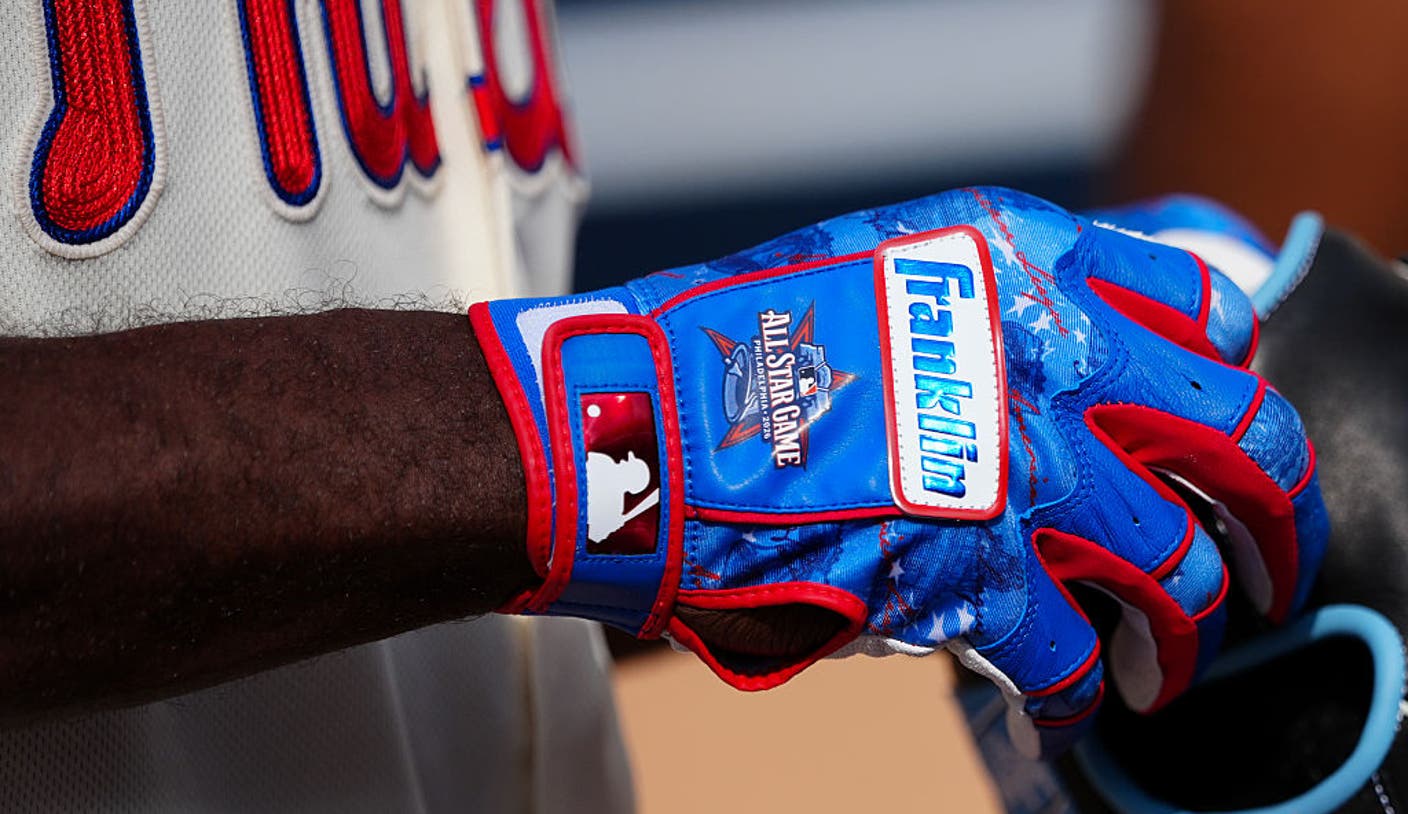
The 2026 Home Run Derby is headed to Citizens Bank Park, and the first thing folks ought to know is this: the old TV comfort blanket is gone. No ESPN on the dial. Netflix has the exclusive stream, and that alone tells you baseball’s summer showcase is trying on a new suit in front of a tough room. Philadelphia will get the noise, the night sky, and a park built for souvenirs. The rest of us will need the app.
MLB has been fiddling with the Derby for years, trying to keep the thing lively without turning it into a carnival sideshow. This time the league went all in on a swing-based format, which means the rules are no longer just about who can hit the moonshot and who runs out of legs first. It’s about rhythm, timing, and surviving the clock without looking like your wrists were tied together.
Philadelphia gets the kind of night it actually wants
The Derby belongs in a place that cares enough to boo, cheer, and argue about every ball that lands five rows short or five rows deep. Philadelphia fits that bill. This is a baseball town that likes its star turns loud and its patience short. MLB picked the right backdrop if it wanted edge. Citizens Bank Park has that easy left-field invitation for pull hitters, and on Derby night that corner can look like a landing strip.
The event is set for Monday, the night before the MLB All-Star Game. That timing matters. The Derby is still the warmup act for the midsummer classic, but don’t let anybody tell you it’s just fluff. For a lot of casual fans, this is the thing they actually watch. It’s simple, loud, and built on the oldest baseball promise there is: if you catch one flush, everybody in the ballpark knows it.
The league understands that. It has to. The All-Star Game used to be the main event; now the Derby carries a lot of the burden. That’s why the broadcast switch is such a big deal. ESPN had been the regular chair at this table for a long, long time. Now the matchup is with streaming, which is fine if you’re young, tech-savvy, and not trying to remember which password belongs to the streaming account your kid set up three years ago.
A new format changes the feel of the whole night
This year’s swing-based setup is the real wrinkle. Derby history has always been part power, part pacing, part somebody’s hamstring hanging by a thread by the final round. Change the format and you change the conversation. It’s no longer just a home run contest; it’s a test of how a hitter handles pressure in chunks, how quickly he can find his groove, and whether the swing mechanics stay intact after the adrenaline starts chewing holes in them.
That can be a good thing. It can also make a mess. Baseball has a way of over-engineering fun once it thinks it has found a formula. The Derby works best when there’s a little bit of chaos in it. You want swings that sound like they were launched out of a cannon. You want a participant to go unconscious for eight minutes and make the rest of the field look like they borrowed bats from the wrong clubhouse.
Still, change was coming. The old format had its own wear and tear. Pitchers grooved balls, hitters got gassed, and fans watched the same tired countdown for too many years. The league wants a cleaner arc, a better pace, and maybe a more broadcast-friendly finish. Whether it gets that, we’ll see tonight. Baseball loves a tweak almost as much as it loves pretending the tweak fixed everything.
The field is the story, even before the first pitch gets tossed
The participants are the heart of the thing, and the names matter because the Derby is part show-and-tell, part flex. Who signs up tells you who’s confident, who’s healthy, and who’s ready to carry the spotlight for a night. A true Derby field gives you a mix: established sluggers, young bats with something to prove, and one or two guys the cameras love because they’ve got a little theater in their swing.
That’s where the event overlaps with the league’s larger summer marketing job. Baseball needs stars to lean into events like this, not hide behind them. When big names show up, the whole thing feels bigger. When they don’t, the Derby can look like a glorified practice session with music.
We’ve seen what happens when the right young face grabs the moment. Ask any league office trying to bottle lightning, and they’ll tell you the same thing: the derby feeds the next headline. It’s why these showcase events keep mattering, even in a sport that pretends it’s above hype while quietly chasing it around the block.
The Derby is still baseball’s easiest party to ruin and hardest one to replace.
What the streaming switch says about baseball now
I’ve been around long enough to remember when these events lived or died on the strength of a TV crew, a radio call, and the occasional promoter with a cigar burned down to the knuckle. Now we’re living in the age of platform wars, and baseball has walked right into it with a bag of bats. Netflix getting the exclusive stream is a sign of where the money and attention are drifting. It also means the league is willing to trade a little old-school reliability for a bigger digital reach.
That’s not automatically smart or stupid. It’s modern. Sports has been dragged into this streaming scrape whether it likes it or not. The question is whether the Derby benefits from being easier to market or harder to find. Casual fans do not love scavenger hunts. They like a familiar channel and a start time they can trust. Baseball, bless its stubborn heart, keeps learning that lesson the expensive way.
And there’s another layer here. The Derby is one of the few baseball events that still feels built for the highlight clip. That makes it a natural fit for a streaming era, where the first cut matters as much as the final result. But if the presentation is sloppy, if the pacing drags, or if the gimmick outweighs the swings, no algorithm is going to save it.
I’ll say this plain: baseball should protect the Derby from becoming too polished. The rough edges are part of the charm. The crowd noise in Philadelphia, the distance the ball can fly, the nerves, the big cut that sends one screaming into the night — that’s the good stuff. The league can mess around with formats and carriers all it wants, but the core product still has to be a man trying to hit baseballs out of a ballpark while everybody in sight leans forward.
What to watch when the lights come on
Keep an eye on the early rhythm. If the swing-based format rewards hitters who settle in fast, the first few swings could decide more than folks expect. Watch the park, too. Philadelphia can turn a good swing into a memory in a hurry, and a marginal one into a warning track sigh. The ball doesn’t lie, even on a showcase night.
Also watch the mood. That’s the part the stat sheets never capture. A Derby with energy feels like a block party with spikes on. A flat one feels like a maintenance meeting with fireworks.
Baseball needs this one to land clean. Philadelphia will do its part. The hitters better bring enough bat speed to make the whole evening worth the trouble. The rest is just streaming instructions and a lot of nervous front-office optimism.
More from Straight From The Bench
Comments
Join the conversation — sign in to leave a comment.
Sign in to commentRelated Stories
2026 MLB Home Run Derby: Contestants, coaches and fathers
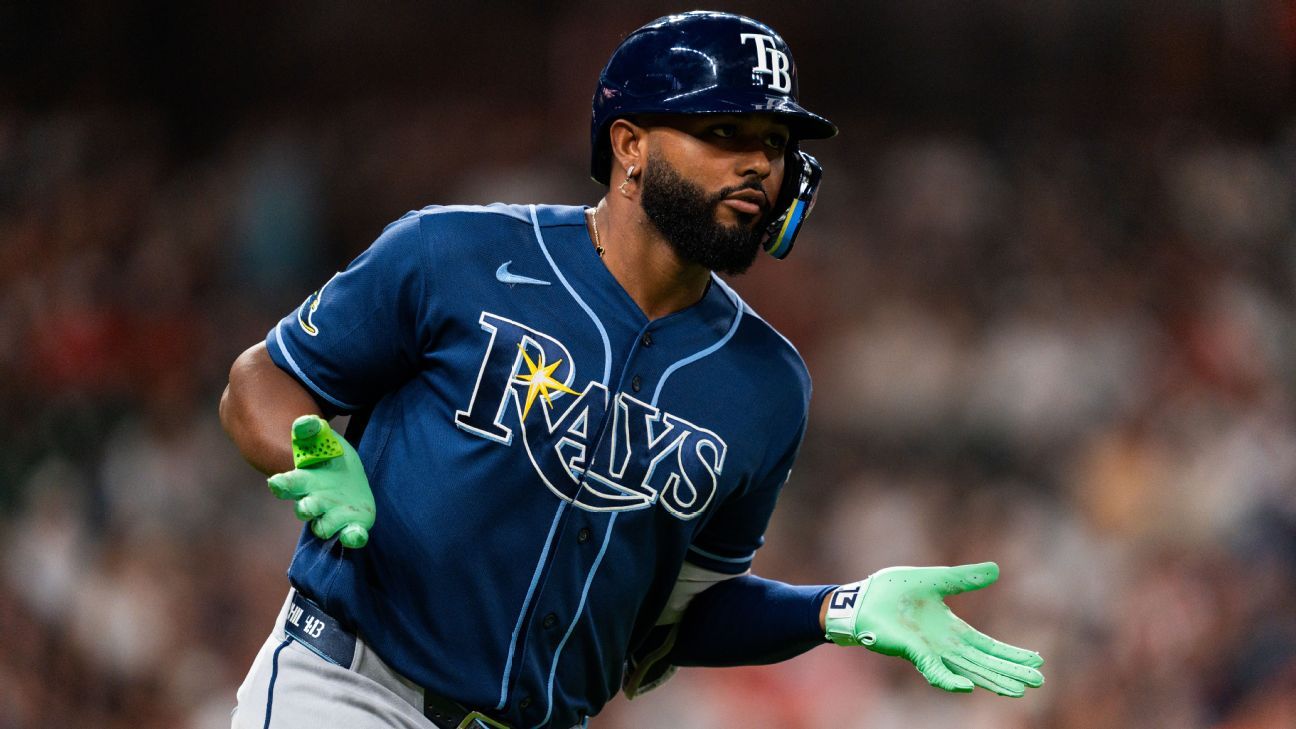
The Derby keeps selling the same dream: one night, one bat, one blast. This year’s field is built for theater, with family in the cage and pressure in the stands.

Red Sox Playoff Race: 9-0 Road Trip Opens the Door
A 9-0 trip changed the math and the mood. The Red Sox are back in the wild-card fight, and the break couldn’t have arrived at a better time.

Kade Anderson and Ryan Sloan Impress in MLB Futures Game
Kade Anderson and Ryan Sloan gave Seattle fans a reason to squint toward the future. The Futures Game showed real arms, real poise, and real hope.