
2026 MLB All-Star Game results: Phillies host the spotlight
Citizens Bank Park gets the midsummer show it wanted.
 Zane Miller6 min read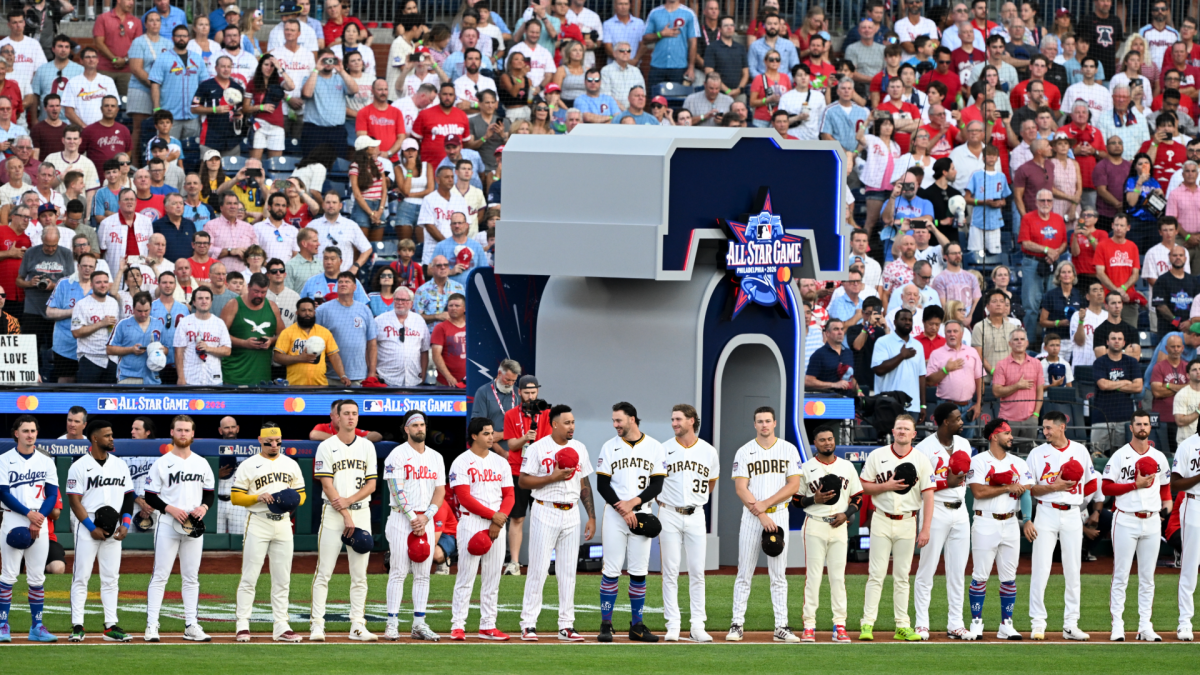
The All-Star Game landed in Philadelphia with the right kind of edge: a packed Citizens Bank Park, a home ace on the mound, and a visiting staff built to keep the night from turning into a pinball machine. This was never about World Series home-field advantage anymore. That switch changed the temperature years ago. What remains is something purer and, honestly, more fun — stars trying to win in a setting that still rewards adrenaline, ego, and a little bit of flexing.
Cristopher Sánchez and Dylan Cease drew the assignment on Tuesday night, and that alone told you how the league wanted to frame this one. Two legitimate arms. Two guys who can miss bats. Two pitchers whose stuff plays in any park, any season, any stage. No one was treating this like a ceremonial parade. It was an actual baseball game in a venue that lives for noise.
Citizens Bank Park is built for moments like this. The sightlines are tight, the crowd is loud, and the place doesn’t do passive. Philadelphia makes even an exhibition feel like a verdict. That matters. The All-Star Game still needs a city that can supply a pulse, and this one did not have to fake it.
Sánchez, Cease, and the shape of the night
The pitchers mattered because this game always looks better when the first few innings belong to real stuff instead of a quick-hit homer derby disguised as baseball. Sánchez giving the hometown crowd a reason to lean forward was the cleanest way to start the evening. Cease on the other side brought the kind of swing-and-miss profile that reminds you why front offices still pay a premium for top-end strikeout arms even when the regular season grinds them down.
That’s the subtext here. The All-Star Game is a showroom, but the good ones still reveal how the sport is evolving. Power arms are currency. So are hitters who can punish velocity without cheating themselves into ugly swing decisions. The star field in Philly — Mike Trout, Juan Soto, Cody Bellinger, Freddie Freeman — is the kind of list that still sells the sport in one glance.
And yes, the game has changed. The stakes are different now. No home-field carrot. No fake urgency. What’s left is reputation, bragging rights, and the simple reality that players care about not looking flat on a national stage.
The All-Star Game stopped being a transaction and started being a referendum on who actually shows up.
Why Philadelphia fit this All-Star stage
This city doesn’t need a long intro. It knows what a big sporting night feels like. It also knows when something is trying too hard. That’s why the fit worked. Philadelphia doesn’t polish away the rough edges; it sharpens them.
The Phillies have built their brand around force and volume, not subtlety, and that creates the right backdrop for a midsummer showcase. A game like this needs local identity. It can’t feel like a traveling corporate road show. The league got that part right by planting the event in a park that already behaves like October most nights.
There’s also a roster-management angle tucked underneath the pageantry. Managers and executives love these breaks for different reasons. Some want their stars to breathe. Others want the league to see their guys in the bright lights. The All-Star Game still functions as a market signal. If you’re a contender, it tells you which names carry real national weight. If you’re a team trying to sell legitimacy, it tells you whether your core has crossed into the top tier.
For Philadelphia specifically, this was one more reminder of how valuable the club’s image has become. Not just winning. Not just attendance. Brand gravity. That matters to agents, to free agents, to the whole ecosystem around the sport.
The star power still does the heavy lifting
The names are the point. Always have been.
Trout remains the league’s shorthand for sustained superstardom, even as the sport has moved through new generations of power. Soto brings the kind of plate discipline that front offices dream about and opponents hate. Bellinger gives you the shape-shifting appeal of a player who can look like a middle-order thunder bat or a gold-glove outfielder depending on the phase of his career. Freeman is the veteran anchor every lineup wishes it had.
That mix is why the All-Star Game still matters, even in an era where fans can stream every pitch from anywhere and the calendar is crowded with content. This isn’t about determining a champion. It’s about assembling the sport’s top shelf in one place and letting the contrast do the work.
The real test is whether the younger wave can force its way into that same oxygen. Every All-Star Game becomes a soft audit of baseball’s next branding cycle. Who’s the next face? Who can carry an arena, an airport terminal, a social feed? The league needs that answer constantly.
My read: the game is healthiest when it feels alive, not engineered
I’ll take this version of the All-Star Game every time. Give me a real park, a real crowd, and pitchers with enough juice to make a hitter earn the moment. Strip away the gimmick that used to decide October home field and the whole thing breathes better. The sport doesn’t need artificial stakes to manufacture intensity. Baseball has always been best when the stage does the work.
What Philadelphia offered was a clean reminder that star power still travels. Fans show up for names first, then narratives, then everything else. That’s why the league keeps leaning on players like Trout, Soto, Freeman, and Bellinger to carry events like this. They’re not just good. They’re recognizable in a way that survives across markets.
And the pitchers? They matter more than the old-school All-Star crowd sometimes wants to admit. Guys like Sánchez and Cease are the bridge between aesthetics and actual competition. If the game feels crisp, it’s because the arms are serious.
This is where the business of baseball and the theater of baseball actually overlap. Executives know it. Agents know it. Players definitely know it.
What to watch next after the Midsummer stage
The next few days will be about who leaves Philadelphia with momentum and who leaves with a clean bill of health. That’s the quiet victory in an All-Star week that still has teeth: nobody wants the headline the morning after to be about a tweak, a miss, or a setback.
For the clubs chasing October, the better question is which stars looked ready to carry the second half. That’s the real subplot. The game itself gives the league a splash. The aftermath tells you who is still driving the conversation when the standings get serious again.
Philadelphia got its show. The sport got its snapshot. Now comes the part where the best players turn right back into the reason the race matters.
More from Straight From The Bench
Comments
Join the conversation — sign in to leave a comment.
Sign in to commentRelated Stories
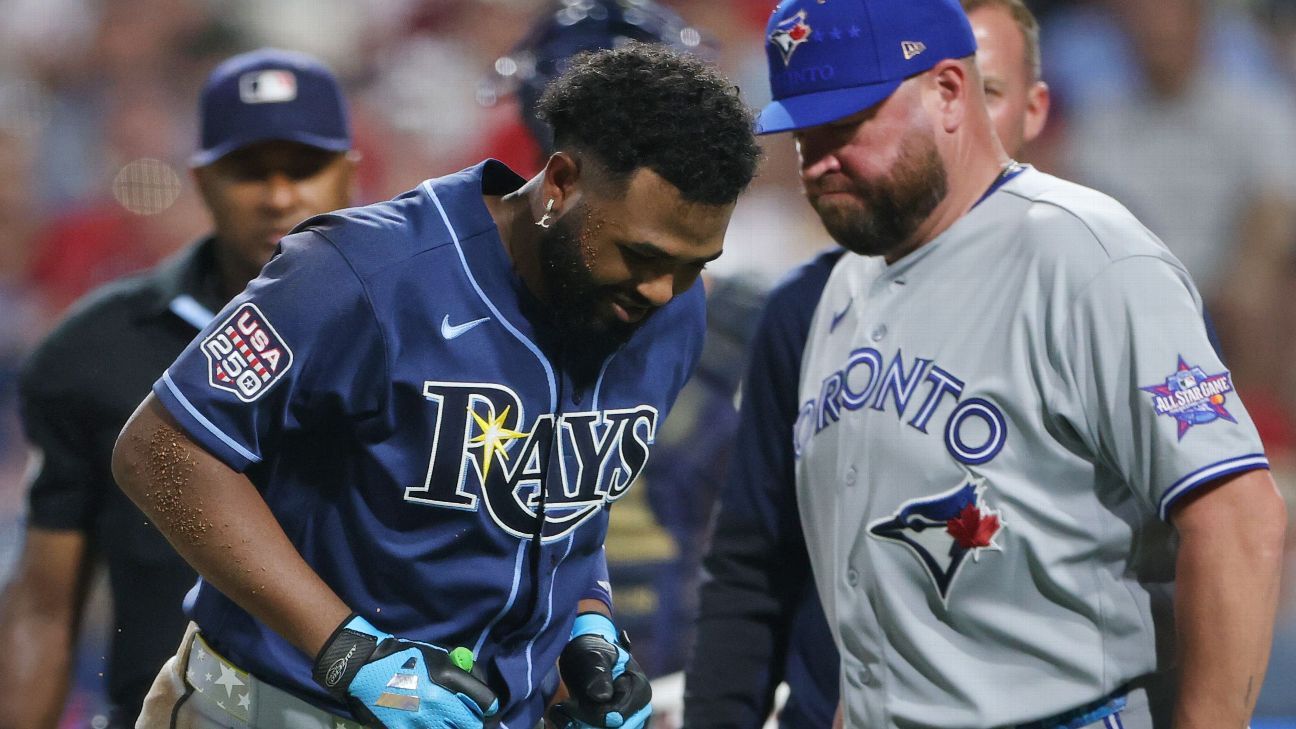
Junior Caminero Injury Update: Rays Star Leaves All-Star Game
Junior Caminero’s All-Star night ended early after a 97.6 mph sinker struck his left hand. The real concern now is what that bruise means for Tampa Bay’s season.
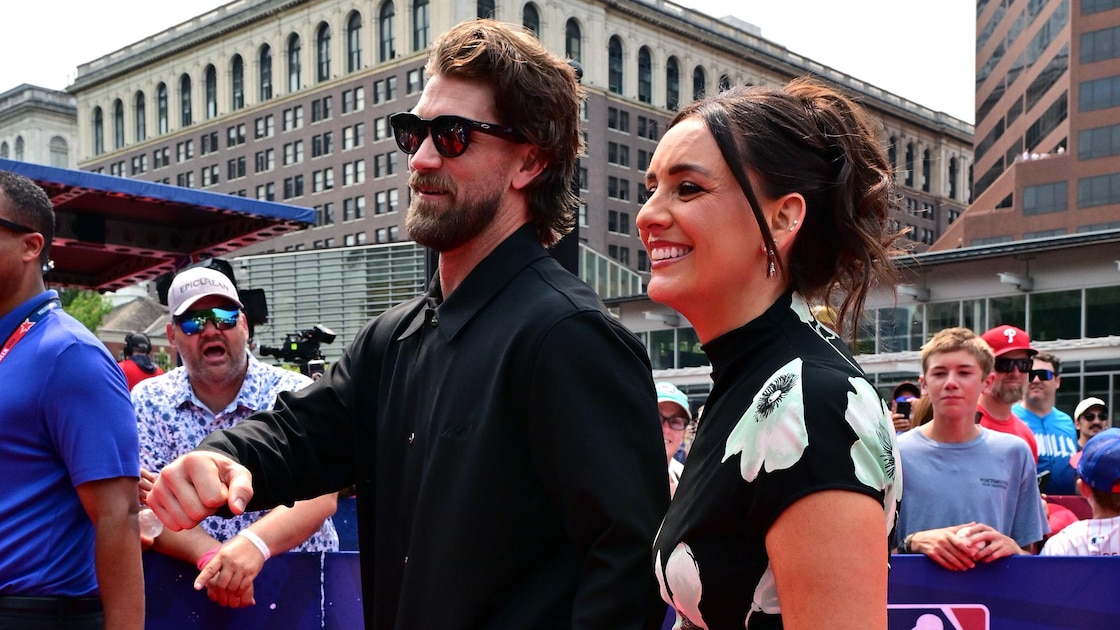
MLB All-Star Red Carpet: Bryce Harper, Paul Skenes, Livvy Dunne Stun
Philadelphia’s All-Star stage opened with more style than sweat. Harper, Skenes, and the rest turned the red carpet into a second contest.

Red Sox acquire Jahmai Jones: right-handed bat fits roster split
The Red Sox added Jahmai Jones to a lefty-heavy roster, then moved quickly on the roster math. It’s a small move with a very specific purpose.