
Arsenal Gets Pulled Into Klopp’s World Cup Rant After Germany’s Brutal Exit
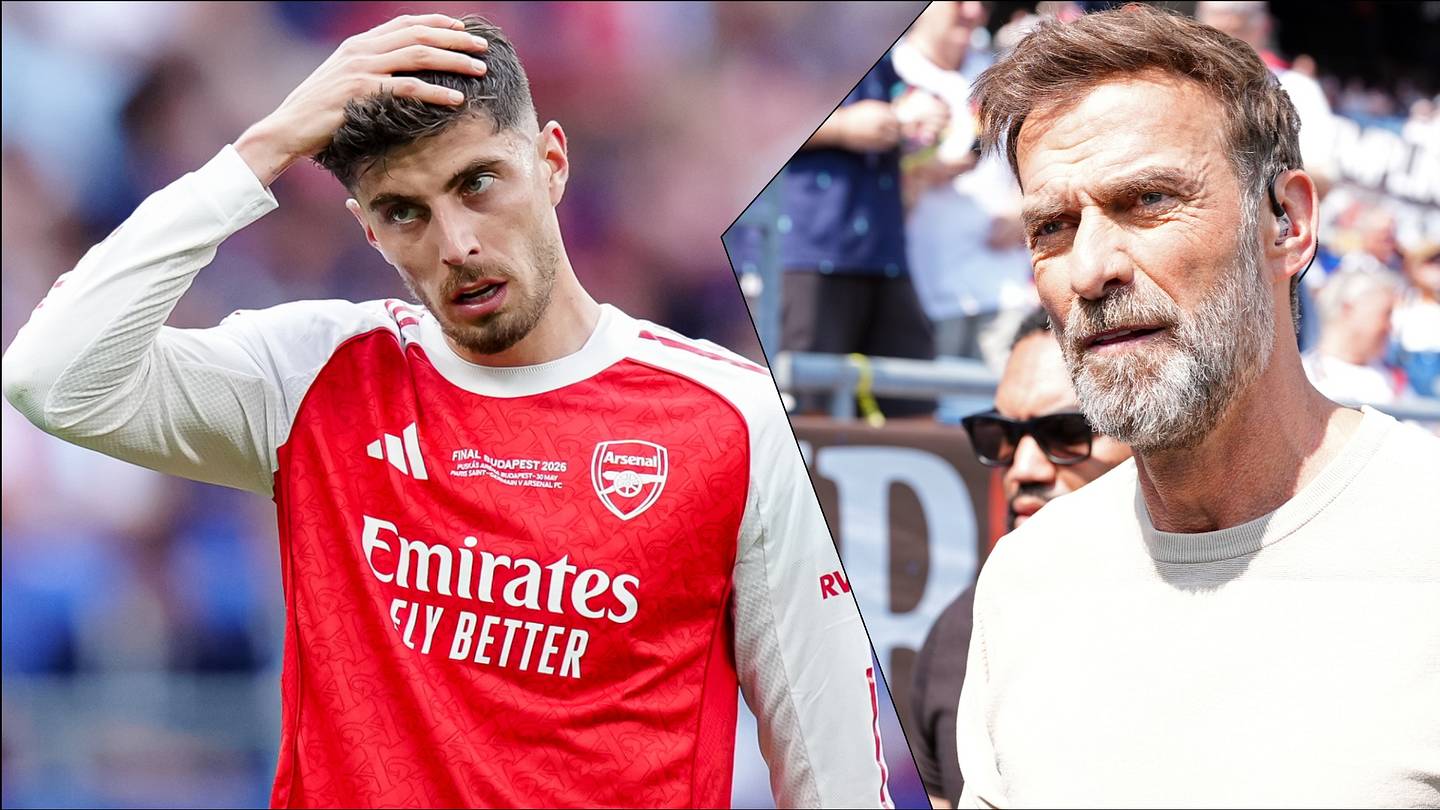
Germany’s World Cup heartbreak didn’t just sting in the moment — it lit a fuse that had been waiting to burn across English football all season. One disputed goal, one furious reaction, and suddenly Arsenal found themselves dragged into a bigger argument about officiating, momentum, and how one call can change everything.
What should have been a night about a team chasing progress instead turned into another chapter in football’s favorite recurring drama: the offside debate. And when Jurgen Klopp is angry, everyone in the sport tends to stop and listen.
Klopp’s Frustration Boils Over
Klopp has never exactly been shy when he thinks a decision has gone against his side or the game itself. That intensity is part of why he has become one of football’s most recognizable managers. But Germany’s disallowed goal against Paraguay clearly hit a nerve in a much bigger way.
The reaction wasn’t just about a single whistle or a narrow call. It was about the feeling that football can become absurdly fragile in a tournament setting, where one moment of interpretation can send a team home or change the entire mood of a campaign. When emotions are already at their peak, a decision like that tends to become the story, whether the officials want it to or not.
For Klopp, the issue clearly went beyond one match. His fury tapped into a season-long conversation that had been building in English football, where fans, coaches, and players were already exhausted by stop-start controversy and endless replay debates. Germany’s pain just brought all of that back into the spotlight.
Why Arsenal Got Dragged Into It
So how does Arsenal end up in the middle of a Germany World Cup meltdown? Welcome to modern football, where one controversial moment can echo far outside the stadium it happened in. Arsenal were caught in the crossfire because the broader debate Klopp reignited had already been front and center in England’s domestic season.
Arsenal have spent plenty of time this year dealing with the fallout of decisions, scrutiny, and the constant microscope that comes with being near the top of the Premier League. Whether a call goes in their favor or against them, it tends to become part of a much bigger conversation about standards, consistency, and how much room referees have to interpret the game.
That’s what makes this whole thing feel so familiar to English fans. It’s not just about Germany and Paraguay. It’s about the same old tension that followed clubs like Arsenal all season long: one controversial moment, then a wave of debate, then days of everybody arguing over what the rules are supposed to mean.
The Offside Debate Never Really Goes Away
If football had a designated “most likely to cause a meltdown” topic, offside would be near the top of the list. It’s the rule that can look crystal clear on one screen and wildly debatable on another. That’s part of why these incidents keep coming back with such force.
Germany’s disallowed goal became another example of how the sport still struggles to give fans confidence in big calls. The technology may be more advanced, but the emotional result is often the same: one team feels robbed, the other feels relieved, and everyone else spends the next 48 hours arguing over frozen frames and frame rates like they’re all assistant referees.
And because English football has lived through its own collection of these moments, the reaction hit harder than usual. Fans of several clubs, Arsenal included, know exactly what that frustration feels like. The emotional whiplash of thinking you’ve seen a huge moment only for it to be erased is one of football’s least fun traditions.
Why Klopp’s Reaction Matters Beyond One Match
When Klopp speaks like this, it doesn’t just stay in the Germany camp. His words carry weight because he’s long been one of the strongest voices in the sport on how the modern game is being managed. People may not always agree with him, but they pay attention.
That’s why his fury over Germany’s exit matters more than a standard post-match complaint. It becomes part of the larger debate about whether football is being helped or harmed by the way decisions are made and reviewed. For clubs like Arsenal, that conversation isn’t academic — it’s something they’ve felt in real time all season.
And let’s be honest: fans are tired. Tired of waiting, tired of uncertainty, tired of every major match turning into a seminar on the laws of the game. Klopp’s reaction gave voice to that exhaustion, even if it came after a German World Cup exit instead of a Premier League result.
Arsenal’s Unwanted Front-Row Seat
Arsenal didn’t ask to be involved in this debate, but that’s the nature of being a prominent club in a league where every judgment gets dissected. Once the offside conversation started roaring again, the Gunners were always going to be part of the chatter by default.
That doesn’t mean they caused the issue — far from it. But when a club has spent months on the receiving end of big-picture officiating discourse, it becomes a name people reach for when those same arguments resurface. In football, reputations and narratives move fast, and Arsenal have been close enough to the fire this season to get singed by the conversation.
The real takeaway is that this controversy isn’t going away. Not after Germany’s exit, not after Klopp’s reaction, and probably not after the next big decision blows up somewhere else. The debate is too familiar, too emotional, and too tied to the modern game to disappear quietly.
Football loves chaos almost as much as it loves goals, and this one is going to keep echoing. Arsenal may not have been on the pitch in Germany’s match, but when the offside argument started raging again, they were right there in the blast radius — and you can bet this won’t be the last time that happens.