
Clark, the WNBA, and the Politics of Pressure
 Zane Miller5 min read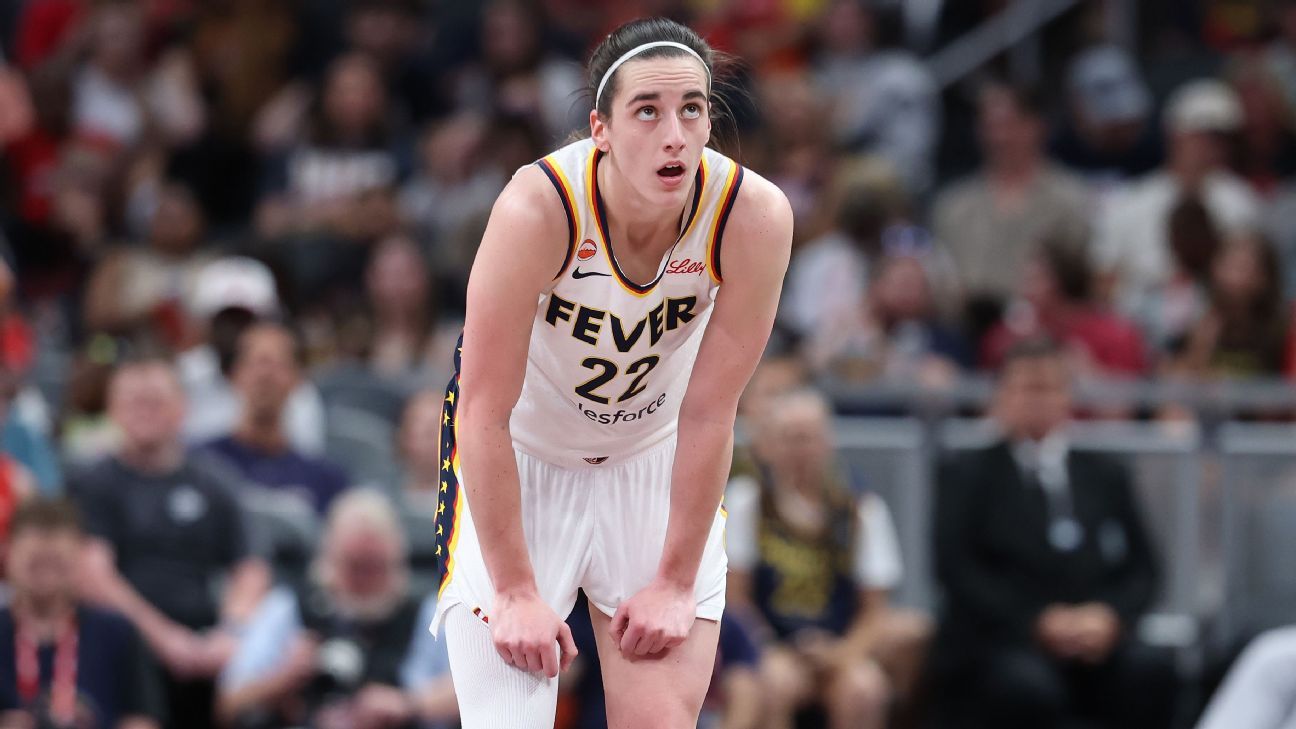
The WNBA didn’t ask for this, but it’s here anyway: a Capitol Hill pressure campaign wrapped around Caitlin Clark, the league’s biggest ratings engine and most scrutinized rookie-star magnet. Eleven Republican lawmakers have now put commissioner Cathy Engelbert on notice, demanding “accountability” over what they call multiple attacks on Clark. That’s not just noise. That’s the modern sports pile-on, where a physical rivalry, a viral clip, and a national political mood all collide in real time.
Clark has already been the league’s lightning rod from day one. Every hard foul, every shove after the whistle, every extra bump in a lane gets clipped, recut, and sent into the algorithm at warp speed. The WNBA has spent this season walking a tightrope: protect the product, protect its stars, and don’t let every contact become a referendum on officiating integrity. Now the league is getting dragged into a different arena entirely.
A letter that says as much about politics as basketball
The wording matters here. “Accountability” is doing a lot of heavy lifting. In sports terms, it usually means reviewing calls, disciplining players, maybe tightening officiating standards. In political terms, it means applying public pressure until somebody is forced to answer. That’s the real story.
Clark’s rise with the Indiana Fever has been impossible to ignore. She’s not just drawing eyes in Indianapolis. She’s pulling national attention every night, and the league knows it. Merch, TV windows, social engagement — all of it spikes when she’s on the floor. So when lawmakers enter the chat, they’re not just responding to one player getting hit. They’re attaching themselves to the sport’s most marketable name and betting the WNBA will feel the heat.
And make no mistake, the league does feel the heat. Officials already know they’re being watched on every possession Clark handles. Coaches know it. Players know it. The only question is whether the league responds with visible discipline, public messaging, or the same measured, internal approach it usually prefers.
Caitlin Clark is bigger than one box score now
This is what happens when a rookie becomes a franchise and a cultural flashpoint at the same time. Clark was always going to be covered differently. The pace of that coverage, though, is absurd. She’s getting judged like a veteran MVP and protected like a prized asset, often in the same possession. That tension is exactly why this story keeps expanding beyond basketball.
The league doesn’t just have a foul problem here. It has a visibility problem, and everyone in power knows it.
From a pure basketball standpoint, the WNBA has every reason to avoid overcorrecting. Physical play is part of the league’s identity, and nobody serious wants the game officiated into submission because one player is driving conversation. But if contact on Clark starts to look routine while the league says nothing, that becomes its own narrative. The optics are brutal. The clips never stop. The discourse gets louder.
The sports-business side is even simpler. Clark is carrying attention into arenas and onto screens. The league benefits every time she becomes appointment viewing. That makes any perception of indifference dangerous. Not because every hard foul is an existential crisis — it isn’t — but because leagues lose control fast when fans decide the standard isn’t being applied evenly.
Why lawmakers getting involved changes the temperature
There’s a reason executives hate outside voices forcing their hand. Once elected officials start issuing public demands, the issue stops being about the sport and starts becoming about institutional response. The WNBA can’t treat this like a normal officiating complaint anymore. It has to think about messaging, precedent, and whether any move it makes looks reactive.
That’s especially tricky because the league has spent years building around empowerment, visibility, and institutional credibility. It wants to be seen as serious, modern, and self-contained. A political letter challenging how it handles Clark puts all of that under a microscope. If the response is too strong, it can look like capitulation. If it’s too soft, the criticism metastasizes.
And there’s a roster-layer angle too. Players around the league are watching this closely. They know star treatment is always a sensitive topic. They know how quickly public debate can morph into resentment toward one player, or toward the league for appearing to shield her. That’s the part people outside the room miss: this is not just about Clark versus defenders. It’s about how an entire locker-room ecosystem reacts when one player becomes the center of the universe.
Engelbert’s next move has to be measured, not theatrical
If I’m Cathy Engelbert, I’m not trying to win the internet today. I’m trying to lower the temperature without feeding the fire. That means a careful response, a firm reminder that player safety matters, and zero drama. Not because the league should duck the issue, but because overreacting to political pressure is a bad operating model for any commissioner.
I’ve seen this movie in different forms across sports: a star gets hit, the clips explode, the public demands punishment, and suddenly the league is being asked to legislate emotion. That rarely works. The smart move is almost always quieter than the outrage cycle wants. Review the officiating. Address conduct if needed. Keep the league’s response about standards, not headlines.
My read? This story doesn’t fade because it’s no longer about one hard foul. It’s about the fact that Clark is now where sports, media, and politics all meet. That’s a massive stage for a rookie, and it also means every decision around her will be overinterpreted. The WNBA has to act like a league under a microscope, because it is.
What happens next will tell us a lot. If the league tightens enforcement, that’s the acknowledgment. If it stays quiet, the noise gets louder. Either way, Clark isn’t just a player anymore. She’s the sport’s most powerful pressure point.
The next whistle will be loud. The response around it may be louder still.
Comments
Join the conversation — sign in to leave a comment.
Sign in to commentRelated Stories

Egypt’s Complaint Is Bigger Than One Bad Whistle
The Egyptians left Atlanta angry, and not just because they lost. In a tight World Cup knockout, officiating becomes part of the story whether anybody likes it or not.

Candace Parker Calls Out the Clark Vote, and the WNBA’s Old Guard Isn’t Smiling
The WNBA All-Star vote turned into a referendum on Caitlin Clark, and Candace Parker isn’t buying the answer. That’s a problem the league can’t shrug off.
Tour de France Goes Smoke-Free, and That’s the Easy Part
The Tour finally bans smoking in the TV areas. Nice. The harder job is cleaning up a race that keeps asking riders to do the impossible.