
Conor McGregor’s Old Sin, and the New Act He Wants Us to Buy
 Beatrice Kensington5 min read
Midnight had barely settled over the sport before Conor McGregor did what Conor McGregor always does: he walked back into the center of the frame, shoulders squared, history trailing behind him like cigar smoke. Two years after being found civilly liable in a rape case, the former two-division UFC champion has again declared his innocence, this time in the long shadow of UFC and the uneasy appetite of a fan base that has spent years confusing provocation with character.
There is no mystery here about the facts that matter. A civil jury found him liable in Dublin in relation to allegations from 2018, and McGregor has now answered that judgment the way he answers most things: by insisting the world has mistaken him for the man in the mirror. He maintains his innocence. He always does. The difference is that this time the declaration lands not as swagger, but as strategy.
The bill always comes due, even for the loudest man in the room
McGregor built his empire on velocity. The left hand, yes, but also the tongue, the tailored suit, the insult delivered with aristocratic contempt and a street corner’s instinct for blood. He turned himself into the sport’s great spectacle, the man who made every press conference feel like an audition for a boxing promoter’s fever dream. And for years the machine rewarded him. It sold pay-per-views, filled arenas, bent entire promotional cycles around his gravity.
But civil liability changes the weather. It does not require the same standard as a criminal conviction, and that distinction is legally important, yet in public life it often means very little. The average fan does not parse jurisprudence in a tidy little seminar. They hear the words, they remember the headlines, and they file the man accordingly. Once that happens, every “I’m innocent” sounds less like a defense than a rehearsed line from an aging star who cannot bear the curtain call.
McGregor is not merely fighting an allegation. He is fighting entropy. Time has a way of sanding down the edges that once made him electric, and what is left can look less like rebellion than residue.
UFC’s oldest habit: celebrating the ignition and ignoring the ash
The promotion has spent decades mastering a delicate hypocrisy. It packages violence as civic drama, sells redemption to the fallen, and then acts surprised when the people it has elevated arrive carrying damage. McGregor was the perfect emblem of that system because he was always bigger than a fighter. He was a market, a mood, a brand with a left cross.
That made him useful. It also made him dangerous.
The UFC has long been willing to let the public sort through the moral wreckage after the gates are locked and the gates have paid. When a star moves tickets, the institution tends to develop selective eyesight. This is not just about one man’s conduct; it is about the machinery that keeps rewarding charisma even after the charge sheet arrives. Fans are told to separate the athlete from the person until the person becomes too impossible to ignore.
And so we arrive at the familiar, sour bargain: if the performer remains profitable, the discomfort can be managed, blurred, staged around. If the performer stops producing, the same people who once cheered the outlaw begin to speak in the language of concern.
McGregor’s real opponent is no longer a fighter across the cage. It is the memory of who he was before the public learned to count the cost.
Innocence claims and the damage they do to everyone else
There is a reason these moments feel heavier than a simple statement from a celebrity under siege. When a man with McGregor’s reach insists he is innocent after a civil finding, he is not speaking only for himself. He is speaking into a culture that still teaches women, especially those who come forward against famous men, that they will be cross-examined by the crowd long after the courtroom has closed.
The harm radiates outward. To the accuser, to the bystanders who watched the spectacle unfold, to the fans who want their heroes tidy and their violence sanitized. A statement of denial can be a right and still be corrosive. Both can be true. Sports journalism, if it has any spine at all, ought to be able to hold that tension without collapsing into either gullibility or gossip.
I keep thinking about the old boxing maxim that a fighter can win every round and still lose the night. McGregor has spent years winning the round of attention. The trouble is that attention is not absolution, and a crowd’s roar is not a moral alibi. Once a star has crossed the line from athlete to cultural symbol, the consequences stop belonging to him alone.
What this means for the man, the sport, and the future of his brand
For Conor McGregor, the path back is not through a grand statement or a punchy video clip. Those belong to the old era, the one where controversy could be laundered through volume. The future, if there is one, depends on what the sport is still willing to pretend not to see. Does the UFC continue to treat him as a feature attraction no matter the baggage, or does the industry finally admit that there are reputational debts it cannot keep rolling over?
I suspect the answer will be as unglamorous as the business itself: money will tug one way, conscience another, and the stronger cable will decide the next chapter. That has been the story of combat sports for as long as promoters have discovered that a troubled man with a global following can sell the idea of redemption better than a saint can sell a ticket. The public is complicit in that too. We claim to want accountability, then line up when the show starts.
Still, the McGregor machine is not invincible anymore. The mystique has frayed. The walkout no longer erases the memory. The accent, the suits, the insults — they travel with less magic now, because people have seen too much of what lies beneath the performance.
The next time he speaks, the sport will listen, because the sport always listens. But listening is not the same as believing. And belief, once broken, is harder to revive than any hand speed.
He can keep saying he’s innocent. The harder question is whether anyone important still wants to buy the act.
Comments
Join the conversation — sign in to leave a comment.
Sign in to commentRelated Stories

Egypt’s Complaint Is Bigger Than One Bad Whistle
The Egyptians left Atlanta angry, and not just because they lost. In a tight World Cup knockout, officiating becomes part of the story whether anybody likes it or not.
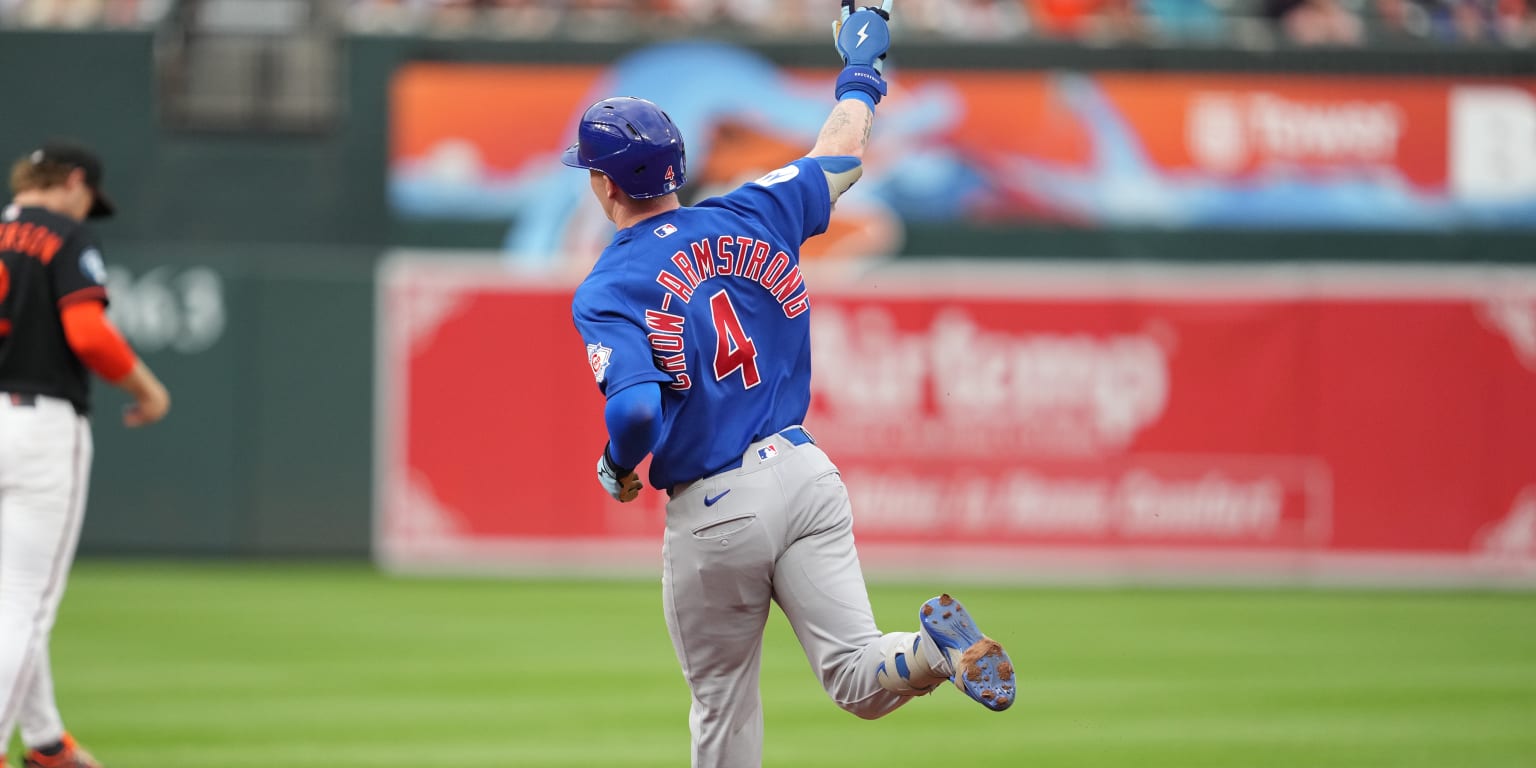
Pete Crow-Armstrong isn’t hot anymore — he’s driving the Cubs’ whole mood
Two more homers pushed Pete Crow-Armstrong to 20-20 again, and the Cubs’ center fielder is turning a breakout into a league-wide problem.
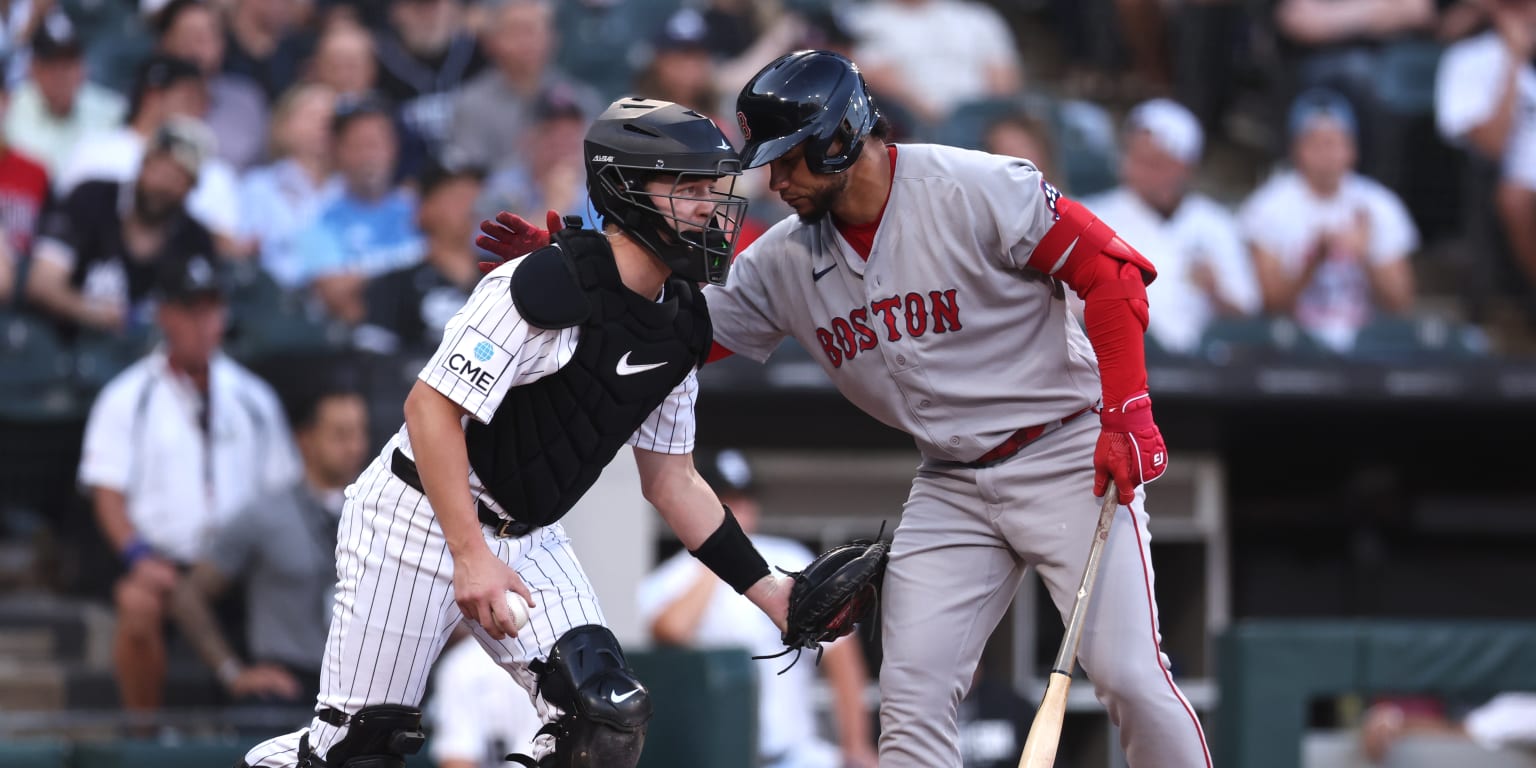
Contreras Takes the Foul Ball Hit, and the Red Sox Take a Breath
Willson Contreras left with a foot contusion, but the Red Sox say they’re not sweating it. That’s good news for a club that can’t afford another bruise in July.