
Dallas World Cup semifinal drama: stadium politics shadow the spotlight
A celebratory week has a second stage, and it is all unfinished business.
 Beatrice Kensington6 min read
Dallas will spend part of this week under the bright international gaze reserved for only the grandest sporting stages, and yet the most consequential fight in town may happen far from the ribboned pitch and the television cameras. A World Cup semifinal is supposed to make a city feel newly minted, a place remade by spectacle. Instead, Dallas is living two stories at once: one of global arrival, the other of local uncertainty about where its sports franchises will call home in the years ahead.
That tension gives the occasion a strange, almost brittle elegance. The match itself will bring flags, anthems, and the sort of shared breath that only elite international soccer can summon. But outside the frame, city leaders, team interests, and public officials are still wrestling over the future of the buildings and districts that shape Dallas sports life every day. The stage is dressed for triumph. The foundation beneath it is still under construction.
A semifinal cannot paper over civic anxiety
There is a familiar civic reflex in moments like this: host the event, enjoy the glow, and trust that the afterward can be sorted later. Cities do it all the time. They plant a flag for the cameras and hope the economic windfall will soften the harder questions about infrastructure, funding, ownership, and neighborhood impact. Dallas, though, is learning that a World Cup semifinal does not suspend municipal politics. It only makes them easier to see.
That is the odd poetry of modern sports. Mega-events promise unity, but they often expose the fault lines already there. In Dallas, the argument over sports venues is not some abstract spreadsheet quarrel tucked away in a back office. It reaches into jobs, land use, tax policy, public trust, and the emotional geography of fandom. If a city cannot decide what it wants to be after the spotlight moves on, the spotlight itself begins to feel borrowed.
For soccer, this is a triumph of arrival. For local government, it is a test of discipline. For everyone trying to use the day to sell permanence, the clock is ticking louder than the stadium drums.
The World Cup spotlight is real, but so is the bill
Dallas has long understood how to perform ambition. It knows how to stage a big night and dress it in the language of progress. A semifinal on the FIFA calendar carries a weight that ordinary league dates never will; it arrives with global viewers, commercial oxygen, and a brief, intoxicating sense that the city has been chosen for something larger than itself.
But the bill for that kind of prestige is never purely symbolic. Large events tend to amplify whatever a city has been avoiding. If the streets around the venue need work, if transit access remains clumsy, if the politics of stadium financing are already frayed, the event does not hide those weaknesses. It spotlights them with cruel clarity.
That is why the Dallas moment matters beyond the scoreline. The city is not simply hosting a semifinal; it is auditioning for a future in which it wants to be taken seriously as a global sports destination. That requires more than a good turn on television. It requires governance that can survive after the confetti is swept away.
A championship atmosphere is a beautiful thing; it can also be a mirror, and Dallas may not like the reflection.
Sports franchises, public money, and the politics of memory
Every American city that loves its teams eventually confronts the same uncomfortable question: how much civic identity should be tied to private enterprise, and who gets to decide what is worth building? Dallas is no exception. The future of franchise homes is never just about concrete and luxury suites. It is about memory, leverage, and the quiet power struggle between taxpayers and the people who sell them their civic dreams.
This is where the World Cup becomes more than a tournament stop. It becomes leverage, even if nobody says the word aloud. A successful event can be used to argue for investment, renewal, and a more ambitious sports district. It can also be used to paper over the fact that such decisions often leave ordinary residents with the smallest voice in the room and the largest share of the consequences.
I have covered enough of these civic pageants to know the script. First comes the promise that a new facility, a renovated venue, or a reimagined district will lift everyone. Then comes the hard arithmetic: who pays, who profits, who is displaced, who gets named in the press release, and who gets left standing outside the gates. Cities tell themselves they are buying the future. Too often, they are merely renting a feeling.
Dallas would be wise not to confuse the two.
What this means for soccer, and for the city that wants it
There is a reason soccer has such power in places eager to prove themselves on the world stage. It offers a clean, almost cinematic image of shared spectacle: a packed stadium, a single match, a global audience. For a city like Dallas, that matters. It signals cosmopolitan reach. It says the city is not merely a domestic sports market but a participant in the wider drama of modern sport.
Yet the lasting measure will not be whether Dallas can host a semifinal. It can. The question is whether it can convert a moment into a coherent strategy. A city that wants to matter in the soccer age must decide whether it is building for a tournament or for a generation. Those are not the same project.
If you want the larger frame, look at how other football-obsessed places have used global events as a kind of civic mirror. Our own coverage of France vs. Spain World Cup semifinal odds and prediction showed how the sport can be consumed as pure theater. Dallas is trying to do something harder: make the theater pay rent after the stage is struck.
And here is my plain view. The cities that come out ahead in this era will not be the ones with the loudest celebrations. They will be the ones able to turn spectacle into infrastructure, and infrastructure into trust. That is the unglamorous hinge on which so much of American sports now turns. If Dallas can manage that, this week may be remembered as a beginning. If it cannot, the semifinal will read like a postcard from a promise it never intended to keep.
The match will end. The arguments will not. Dallas knows that now, and so do the people watching closely.
More from Straight From The Bench
Comments
Join the conversation — sign in to leave a comment.
Sign in to commentRelated Stories
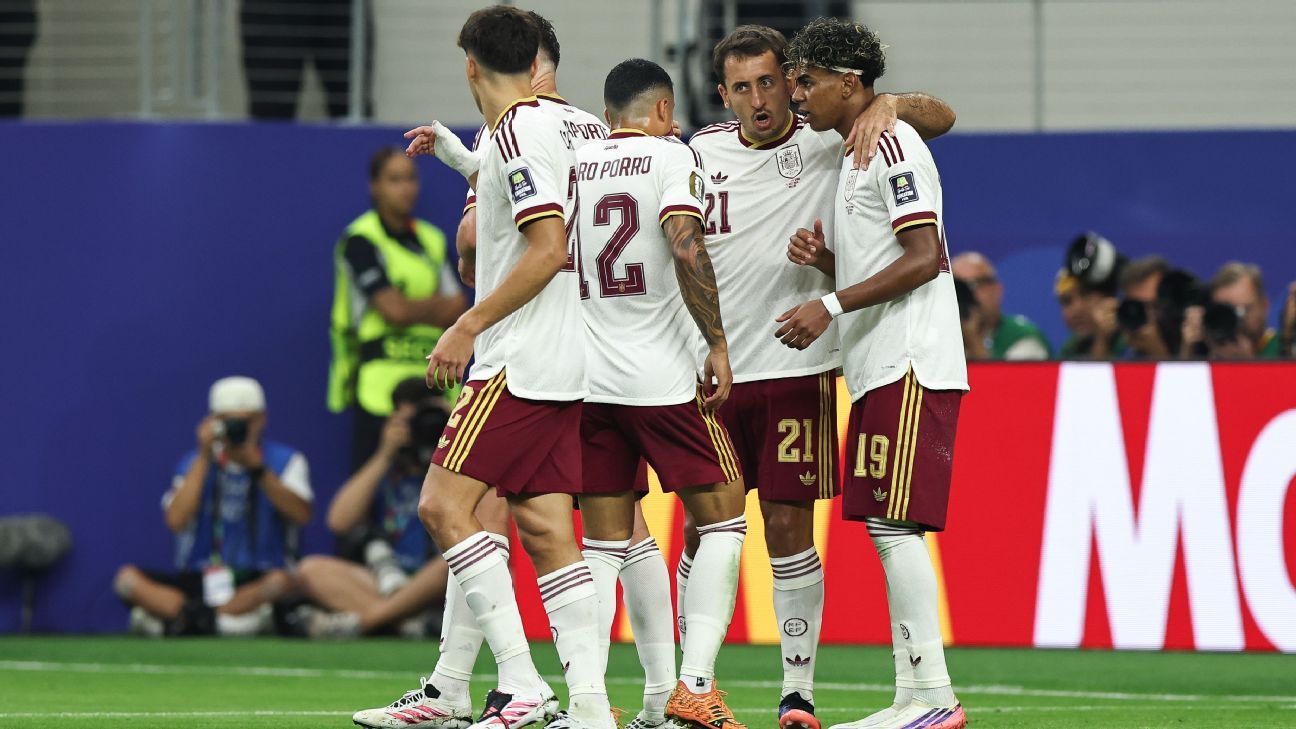
France vs Spain World Cup semifinal: Haaland name boom heats up
France and Spain are set for a massive 2026 World Cup semifinal in Arlington. Around it, the tournament’s cultural ripple is getting bigger by the day.
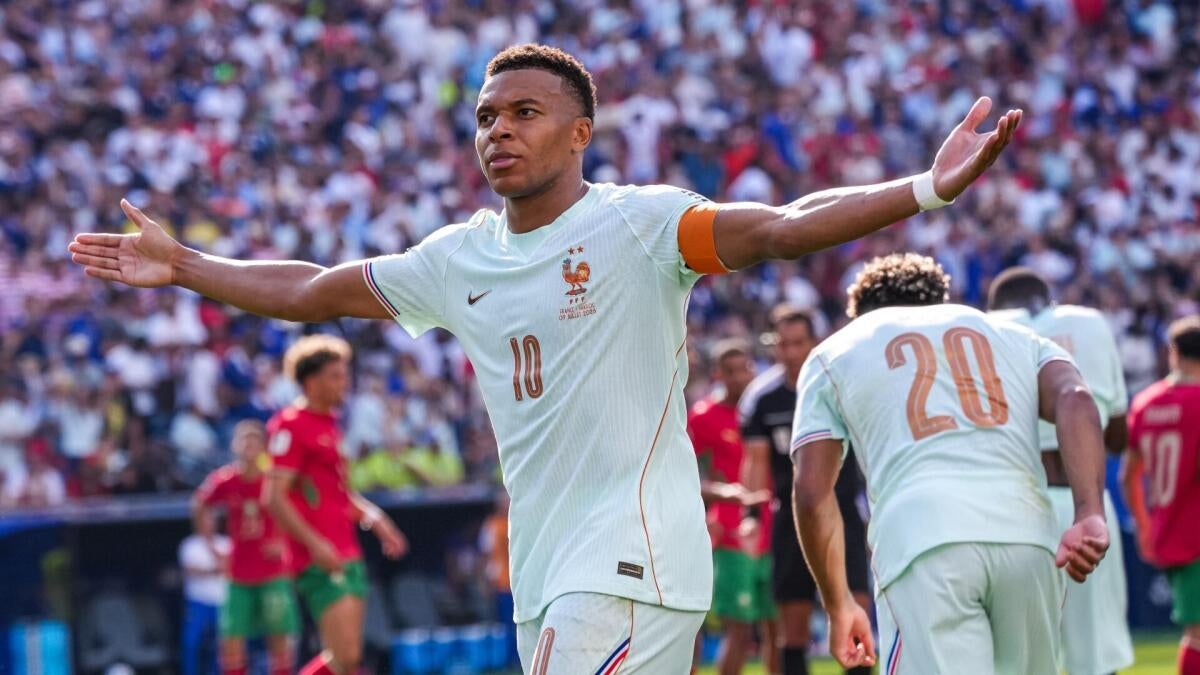
France vs. Spain World Cup Semifinal: odds, picks, prediction
Spain and France meet in a semifinal that feels less like a surprise than a reckoning. The margins are thin, the memory is long, and the final beckons from just beyond the smoke.
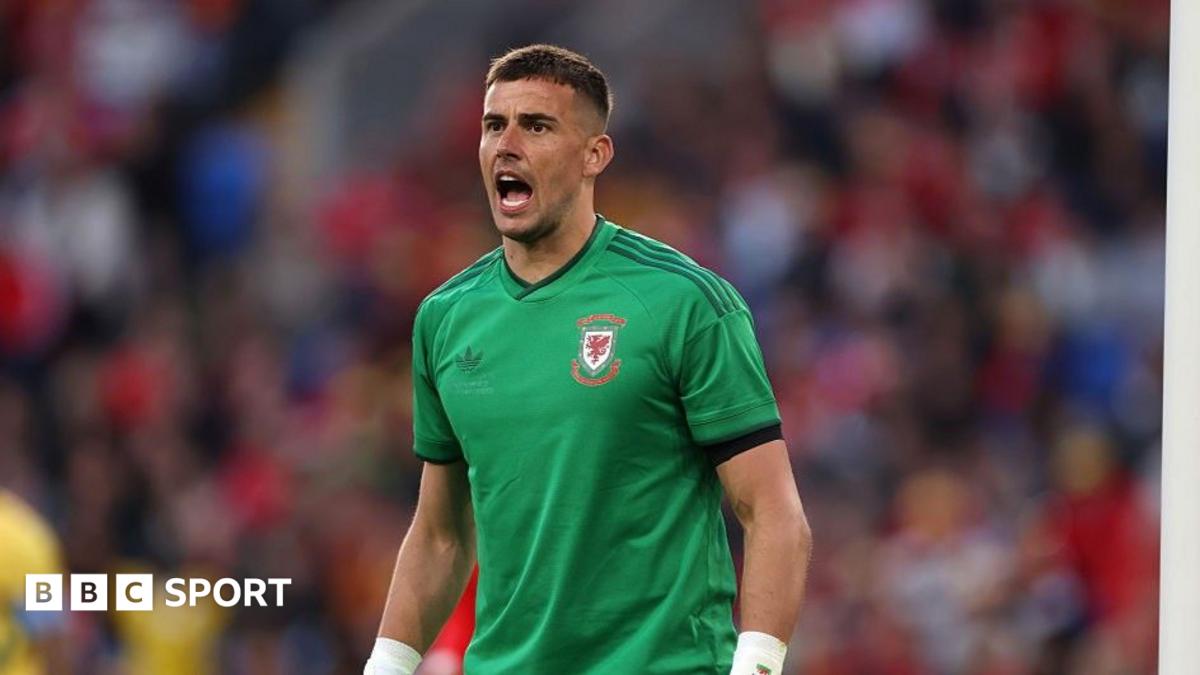
Manchester United Karl Darlow transfer: veteran keeper arrives free
United have added veteran goalkeeper Karl Darlow on a two-year deal after his Leeds contract expired. It’s a modest move, but one with clear squad logic.