
Grizzlies buy low on Quinten Post while Golden State keeps its powder dry
 Zane Miller6 min read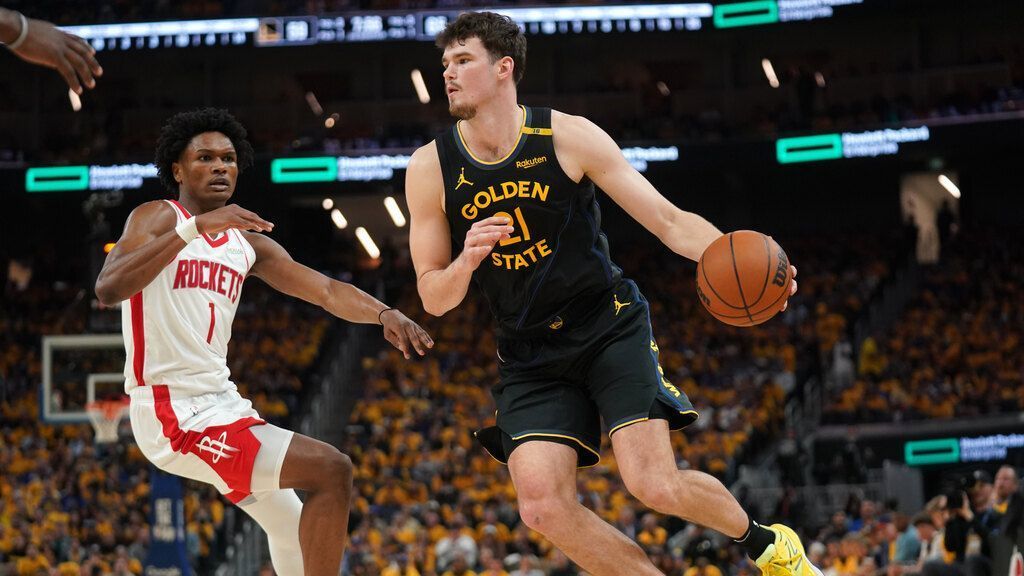
The Grizzlies just took the kind of swing front offices love in July: modest risk, real upside, clean cap sheet fit. Quinten Post is heading to Memphis after the Warriors passed on matching a three-year, $30 million offer sheet. That’s not a blockbuster number, but it is absolutely real money for a reserve center, and it tells you this wasn’t some throwaway invite-offer meant to be ignored by every team in the building.
Golden State made a choice. Memphis made one too. And both say a lot about how these two franchises see the center spot, the market, and their own roster timelines.
Memphis finds a cheap big with a path to minutes
Post landing in Memphis is interesting because the Grizzlies have been hunting for stability up front without locking themselves into the kind of giant center deal that can clog a cap sheet for years. In today’s NBA, you don’t need every backup five to be a postseason demolition crew. You do need someone who can survive on the floor, stretch a defense a little, and not force the coaching staff to go into red-alert mode every time the starter sits.
That’s the lane here. Post is a reserve center, but the contract says Memphis sees more than a warm body. Three years gives the team control. $30 million gives the player real security. And for a roster that has spent recent seasons trying to balance Jaren Jackson Jr.’s defensive gravity with lineup versatility, adding another big who can function without wrecking spacing has value.
The Grizzlies have spent enough time in roster limbo to know the cost of nickel-and-diming the center spot. When teams get cheap there, it usually shows up later in the season when the injury list starts doing damage. Memphis isn’t paying for star-level production here. It’s paying for the chance to avoid scrambling.
Why Golden State said no
Golden State passing on the offer sheet is the louder part of the story, even if it’s the less flattering one for the player. The Warriors are always living inside a tighter financial universe than most teams, and that matters more every year. There’s no hidden stash of cap space waiting for them. Every medium-sized contract has to be justified against the luxury-tax bill, future flexibility, and the lineup question that keeps hanging over the franchise: who exactly are you paying to close games?
That’s why reserve-center deals can get weird fast for the Warriors. If they love the player, they can justify it. If they don’t see a clear playoff role, the money starts looking like ballast. Post’s three-year, $30 million sheet was enough to force the issue. Golden State looked at the math, looked at the depth chart, and chose the flexibility.
That doesn’t mean they think Post can’t play. It means they likely didn’t think this price matched the role.
And that’s the modern NBA in a nutshell. The difference between “useful” and “worth matching” is often a narrow strip of floor time. If a player is going to be your 12th man, the contract has to fit like a glove. If the fit is even a little off, the tax bill turns every mistake into a headline.
What this says about the center market right now
There’s a reason this deal matters beyond Memphis and Golden State. The center market has been all over the place in recent years. Teams want size, but they also want mobility. They want rim protection, but they don’t want a guy opponents can drag into every action. They want insurance, but they don’t want to pay starter money for a backup. That creates a weird middle class, and Post just landed right in it.
A three-year, $30 million offer sheet for a reserve big is not nothing. It’s the kind of number that says a team believes the player can outgrow the label attached to him right now. Memphis clearly saw a chance to get ahead of that curve. Golden State, meanwhile, effectively said the price had reached the point where future optionality mattered more than keeping him.
That split is the story.
This is what the modern NBA looks like: teams paying for flexible usefulness, not just body type.
And if you’re tracking how teams build now, this is a clean case study. The old instinct was to stockpile centers and sort it out later. The newer instinct is brutal and efficient: pay only for the minutes you can trust. Post got trusted enough to get paid. He just didn’t get trusted enough to stay in San Francisco.
The ripple effect for Memphis, Golden State, and the next move
For Memphis, this could be one of those moves that looks small until the first injury hits. If Post can hold the floor, the Grizzlies buy themselves regular-season stability and a little lineup flexibility. If he develops, they’ve got a controlled contract on a roster that has to stay nimble around its top-end salary structure. That’s useful. Very useful.
For Golden State, the decision reinforces something everybody around the league already knows: this roster is built with constant financial triage in mind. The Warriors can’t afford to keep every decent player who flashes in the rotation. They have to choose which skills are essential and which are replaceable. Post fell into the second bucket.
That doesn’t make the move wrong. It makes it expensive to be in their situation.
I’ve been around enough of these transactions to know the instinct that drives them. A front office sees the player, then sees the spreadsheet, then sees the postseason rotation and asks the same cold question: is this a real rotation piece, or are we convincing ourselves because the market is thin? That’s the test. It’s rarely about talent in isolation. It’s about how talent ages against payroll pressure. And when you’re sitting in Golden State’s tax neighborhood, even a solid backup can become a luxury you don’t want to rent.
Post gets the contract; Memphis gets the shot
For Post, this is a clean win. He gets the offer sheet, the money, and a chance to plant himself in a new organization that clearly wanted him enough to go public with the bid. For Memphis, it’s a bet that size plus fit can be developed into something more than just backup innings.
The next question is simple: does he become a usable piece or a movable contract? That answer will come fast, because the NBA never really lets these things sit still.
Memphis made its move. Golden State stepped aside. Now the real work starts.
Comments
Join the conversation — sign in to leave a comment.
Sign in to commentRelated Stories

Khris Middleton’s return gives Washington a veteran spine, and a deadline to grow up
Washington brings back a familiar scorer in Khris Middleton through a sprawling six-team deal. The move says as much about the Wizards’ timeline as it does about his.
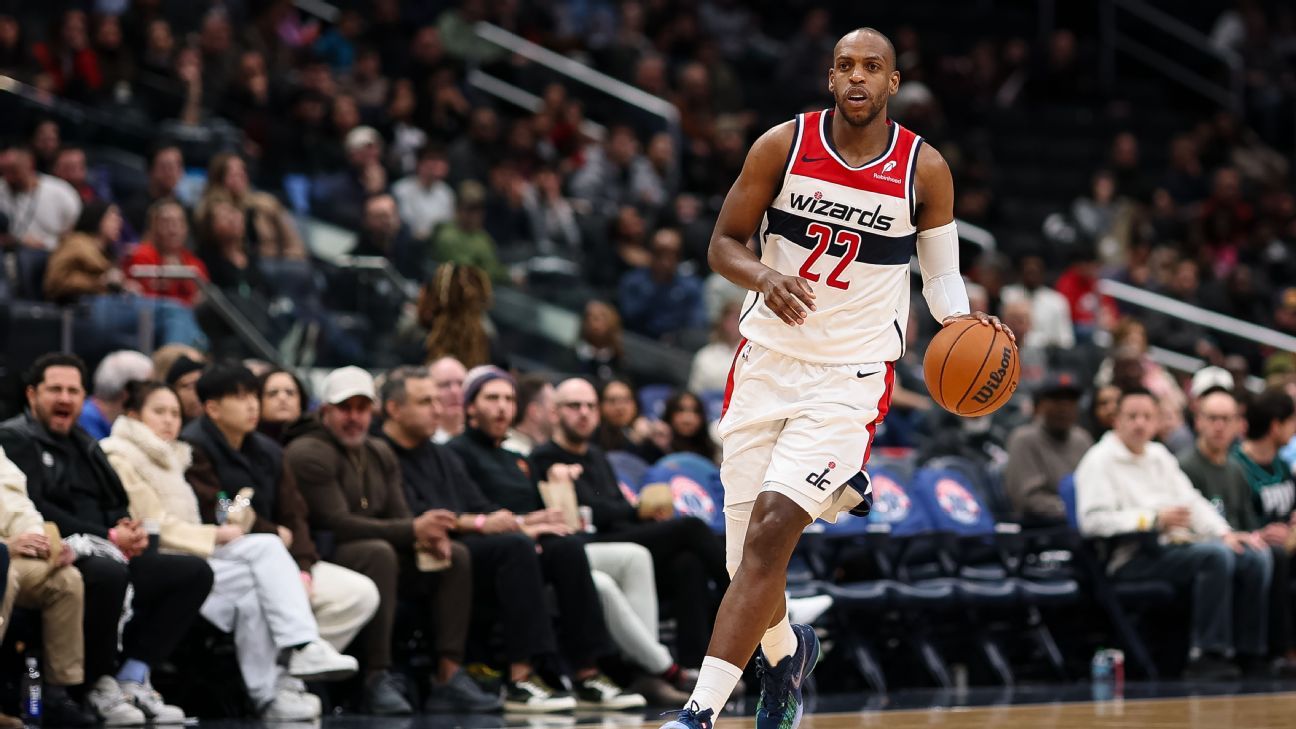
Khris Middleton’s return to Washington says a lot about where the Wizards are headed
The Wizards brought Khris Middleton back on a three-year deal, and the move is less about nostalgia than it is about structure, patience, and a very specific rebuild.
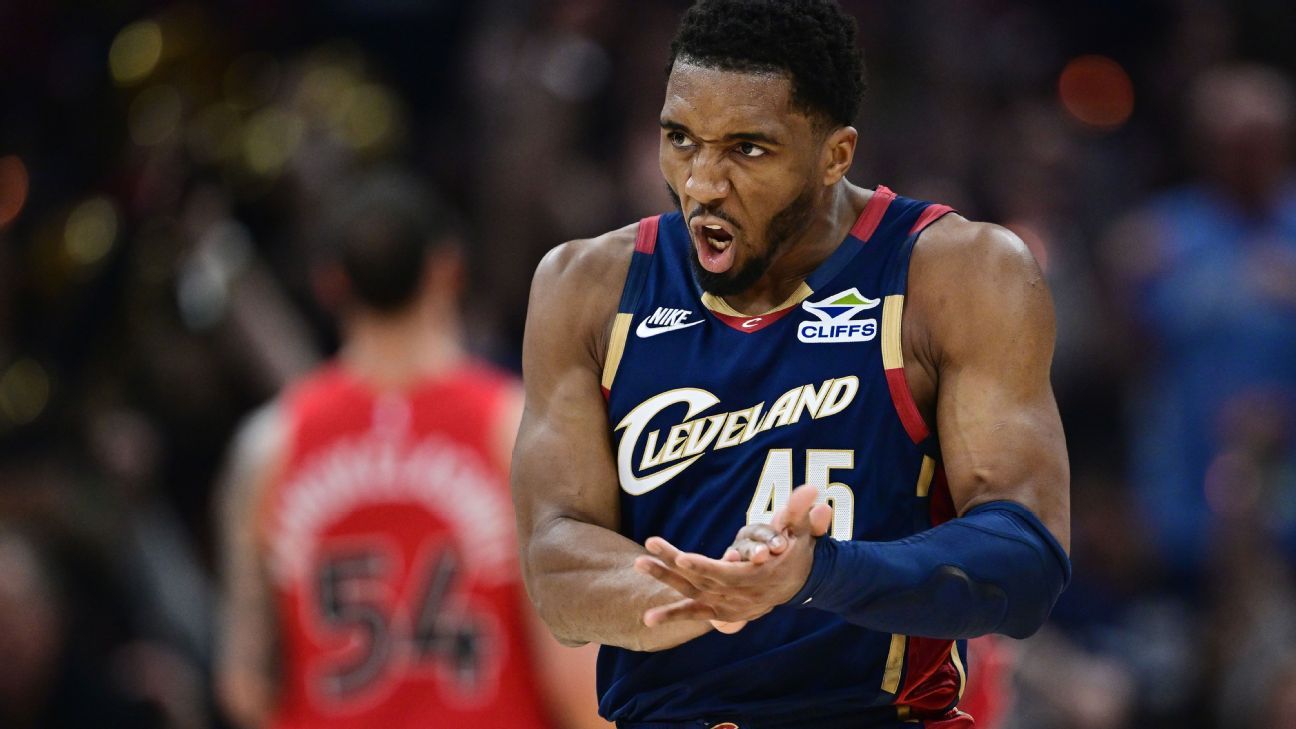
Mitchell’s Max Deal Nails Cleveland to the Floor — and That’s the Point
Donovan Mitchell is staying in Cleveland on a massive new extension, and the Cavs just bought themselves time, credibility and a very expensive shot at a title.