
Lakers Ziaire Williams Signing: What the 1-Year, $3M Deal Means
A low-risk swing with real roster implications in Los Angeles.
 Zane Miller5 min read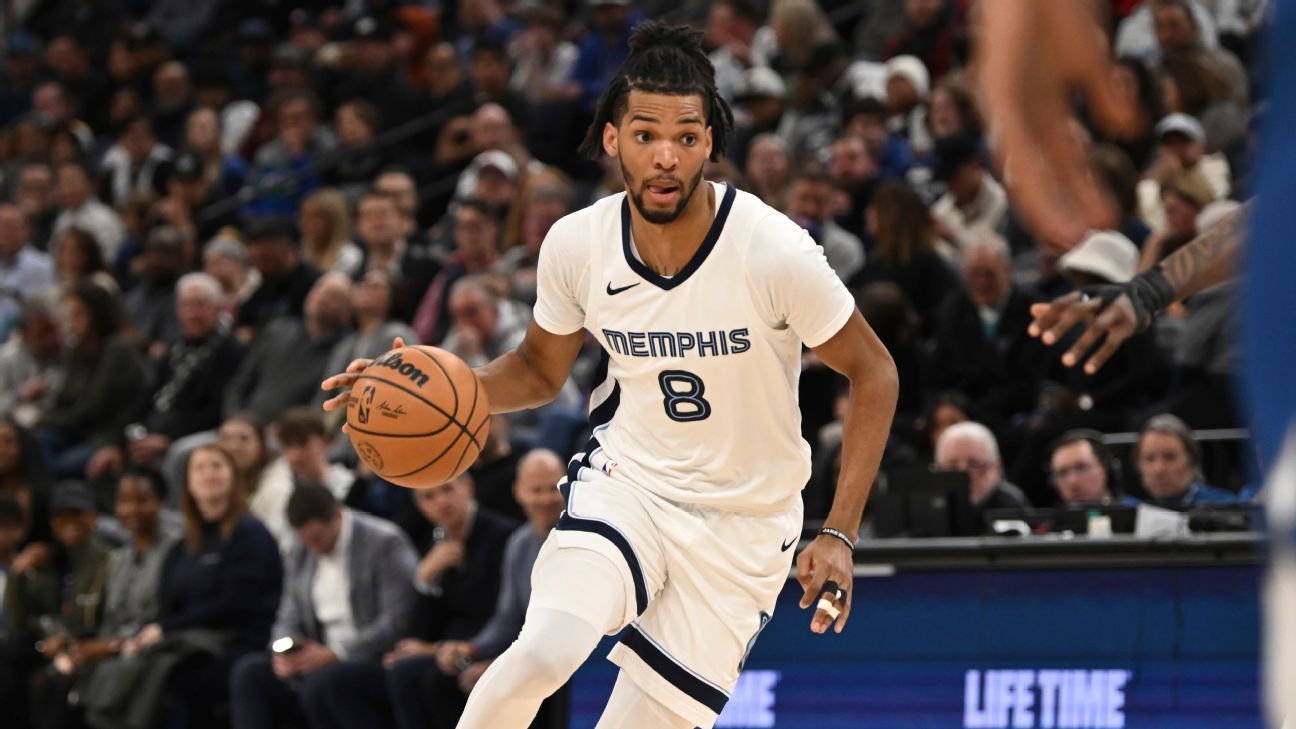
The Lakers found another cheap lane into the frontcourt
The Los Angeles Lakers keep shopping in the kind of aisle contenders love: low-cost, movable, upside-rich contracts. The latest addition is Ziaire Williams, who is headed to L.A. on a one-year, $3 million deal. That price tag tells you everything. This is not a splash. It’s a bet.
And it’s a smart one.
Williams is 24, still young enough for teams to talk themselves into a level-up, and he arrives at a moment when the Lakers are clearly reworking the edges of their frontcourt rotation. The money is small, the commitment is short, and the upside is the only reason to do it. That’s exactly how front offices are supposed to operate when the cap gets tight and every roster spot has to earn its keep.
Why this deal fits the Lakers’ current roster math
The Lakers don’t need another headline. They need playable size, athleticism, and a body they can trust in a long regular season. Williams gives them a wing-forward who can be used in different shapes, even if the ceiling is still more projection than production.
That’s the real appeal here. A one-year deal is the cleanest version of roster management. If it clicks, you got value. If it doesn’t, the downside barely touches your books. For a team trying to balance star power with usable depth, this is the sort of margin play that matters in April more than July.
Los Angeles has spent years trying to find the right mix around its stars without overcommitting to the wrong guys. This is the opposite of the old trap — no bloated multi-year deal, no panic spending, no hard bet on a player who hasn’t fully defined himself yet. Just a cheap shot at finding another rotation piece.
This is the kind of move contenders make when they know the real prize is flexibility, not fireworks.
What Ziaire Williams brings — and what he still has to prove
Williams has always looked like a player the league would keep giving chances to because the tools are obvious. Length. Mobility. Some positional flexibility. Enough athletic juice to make scouting departments lean in. The question has never been whether he looks the part. It’s whether he can stay in the part long enough to matter.
That’s where the Lakers come in. They’ve historically been willing to take a swing on a player with physical traits if the cost is right, especially when the bench needs more than just veterans on minimums. The challenge for Williams is simple: defend, rebound, make the basic reads, and prove you can survive on the floor without the offense needing to be built around you.
In a league where the NBA keeps rewarding size that can move and wings who can survive multiple coverages, Williams has a chance to become useful fast. Not a star. Useful. That’s a big step for a player trying to stabilize his place in the league.
The cap angle is the whole story here
This is where the deal gets interesting beyond the player himself. A one-year, $3 million contract sits in the sweet spot for teams trying to preserve optionality. It gives the Lakers another tradable number, another low-risk piece to manage, and another path to a different rotation look if injuries or matchups force their hand.
That kind of deal also sends a message to the rest of the locker room: the roster is still being built in real time. Nobody should be treating a job as locked down just because the name value is bigger than the production. That’s the current NBA ecosystem. You get paid for trust, but you keep your spot with fit.
If you want the broader picture, this is in the same family as the sort of disciplined roster moves we’ve seen across the league — the kind that don’t dominate the timeline but quietly determine whether a team can survive the middle of the season. For the Lakers, every low-dollar forward who can be a viable six-to-eight-minute answer matters. That’s why moves like this keep showing up in front offices that understand the cost of one bad rotation hole.
My read: the Lakers are chasing usable, not cute
I like the logic here. I really do. Too many teams get seduced by theoretical fit and forget that the playoffs are built on guys who can survive a possession without blowing the whole thing up. Williams doesn’t need to be perfect. He needs to be playable. That’s a much more attainable bar, and one that can still pay off.
And let me be blunt: the Lakers have been at their best in recent years when they stop pretending every depth move has to be a statement and start treating roster construction like a series of small advantages. A cheap forward with some upside is not sexy. It’s useful. The best teams stack useful.
The other layer here is opportunity. A player like Williams walks into a situation where minutes can become available quickly if he earns trust in camp and early season rotations. That’s the hook. Not hype. Not branding. Trust.
For a franchise built on stars, the margins have never mattered more. This is a margins move. And those are the ones that sneak up on people.
What to watch next in Los Angeles
The next few weeks will tell the story. Can Williams hold up defensively against bigger wings? Can he rebound enough to survive in a rotation that may ask him to play up a position? Can he do the little stuff without needing touches?
If the answers are yes, the Lakers may have found a steal at a price that barely registers on the sheet. If not, they still protected the books and kept moving. That’s a win in itself.
The Lakers are still building this thing piece by piece. Williams is one more piece. Now we find out whether he’s a real one.
More from Straight From The Bench
Comments
Join the conversation — sign in to leave a comment.
Sign in to commentRelated Stories
AJ Dybantsa Summer League: No. 1 Pick Keeps Flashing Star Power
AJ Dybantsa followed up his first Summer League tease with another clean showing in Las Vegas, and the early read is loud: the talent is real, and the adjustment is moving fast.
Yaxel Lendeborg Warriors Summer League: promise with rough edges
Yaxel Lendeborg led Golden State in a summer league win, but the tape showed both the upside and the slippage. That’s the good news and the warning label.
Frank Vogel Warriors Staff: What His Arrival Means for Golden State
Frank Vogel is reportedly joining Steve Kerr’s staff, giving Golden State a veteran coach with title-ring scars and defensive mileage. The fit says as much about the Warriors’ present tense as it does