
Lando Norris Belgian GP Penalty: McLaren Power Unit Blow
Spa has a way of turning technical paperwork into a sporting tax.
 Beatrice Kensington6 min read
Spa’s old promise, and the price of keeping pace
Lando Norris goes to the Belgian Grand Prix with the sort of baggage no driver wants and no engineer can entirely avoid: a grid penalty born not of a mistake in judgment, but of the arithmetic of modern Formula 1. McLaren has exceeded its permitted allocation of power-unit elements, and that means Norris will begin the weekend at Spa-Francorchamps from a disadvantage before the field has even settled into its rhythm.
This is the sterile, unforgiving side of Formula 1. The sport sells the romance of courage and precision, but beneath the sheen sits a ledger of parts, limits and consequences. You can hear the hum of ambition in every new component fitted to the car. You can also hear the penalty waiting in the wings.
McLaren’s decision to change power electronics and move beyond the allocation is not a moral failing. It is the sort of pragmatic call teams make when the risk of limping through a high-speed weekend outweighs the penalty they are forced to swallow. Spa rewards top-end performance more than almost any place on the calendar, and the team clearly believes that having the stronger package on hand is worth the cost.
At Spa, a fresh part can feel less like an upgrade than a debt collected in public.
Why McLaren chose the hit now
There is a logic to taking the punishment at a circuit like this. Spa is long, sweeping, and mercilessly fast, the kind of place where a car with a lively engine map and clean electrical systems can make real time up the Kemmel Straight and through the middle sector. If McLaren had concerns about durability or outright pace, the Belgian weekend offered the most honest testing ground and, perhaps, the most defensible place to pay the bill.
That does not make the penalty painless. Norris, who has spent much of this season trying to keep himself in the thick of the title conversation, now has to drive not only against the field but against track position, traffic and the mathematics of recovery. On a circuit where clean air is gold and overtaking is never as simple as the TV graphics suggest, a grid drop can turn a podium fight into a chess match played at 180 miles an hour.
For McLaren, this also underscores how thin the margins remain even for a front-running outfit. The team has become a standard-bearer for progress, a place where expectation now trails every session. A penalty like this reminds everyone that success in this paddock is built on a compromise the public rarely sees: preserve the engine life here, sacrifice the weekend there, and hope the gains elsewhere outweigh the scar.
What it means for Norris’s weekend
Norris has earned a reputation as one of the most complete drivers on the grid, quick in qualifying, measured in traffic, increasingly savvy in the business end of races. That matters here, because Spa can be a place where a gifted driver salvages a bad Saturday. But salvaging is not the same as controlling. Starting further back changes the texture of the race. It means more turbulence, more risk at the start, more dependence on strategy and less room for error.
There is also the psychological weight of it. Drivers talk endlessly about focusing on what they can control, and that’s wise, but penalties have a way of bending a weekend’s emotional architecture. Every lap becomes more urgent. Every pass matters a little too much. The temptation is to attack the race as though force can erase the grid sheet. It cannot.
For McLaren, the cleanest path is likely to ask Norris to be patient, then brutal. Preserve the tyres, save the battery where it counts, and trust the pace to surface when the pack stretches out. That sounds tidy on paper. Spa has a habit of ripping tidy plans to pieces.
A familiar F1 truth: speed is never free
I have long thought the modern Formula 1 season is as much about managing scarcity as chasing glory. Teams are no longer simply building the fastest car; they are rationing parts, predicting wear, and making wagers against invisible failure. It is a less glamorous trade than the sport likes to admit, but it is central to the championship now. One fresh component can mean a cleaner drive or a harsher starting place. One cautious call can save a title bid in September and cost a result in July.
That is why penalties like Norris’s are not merely procedural footnotes. They tell us how teams think under pressure. They reveal whether an organization is willing to spend a weekend in exchange for a better run of weekends ahead. They also expose the fragility of a driver’s campaign. A contender can look immortal on Friday and still be at the mercy of a rulebook by Sunday morning.
The broader lesson for McLaren is both encouraging and inconvenient. Encouraging, because only a serious team makes this kind of tactical choice; inconvenient, because serious teams are judged by how often they can avoid these traps altogether. If Norris can climb back from the penalty and still leave Belgium with something meaningful, it will say a great deal about the car, the strategy group, and his own mettle. If he cannot, the weekend may still prove useful in the championship ledger, though not in the glossy way teams prefer to tell the story.
What to watch once the lights go out
Keep an eye on where Norris lands after the penalty is applied, because the depth of the damage will shape everything that follows. Track position at Spa is a currency all its own. So is tire life. So is patience. If McLaren has truly found extra performance through the new power-unit elements, Norris may still have enough pace to claw back through the field and leave the weekend looking like a controlled loss rather than a collapse.
The other question sits with the rest of the title picture. If rivals take advantage of Norris starting from behind, the championship pressure only sharpens. If he recovers strongly, the penalty becomes a temporary bruise rather than a lasting wound. That is the strange, cold beauty of this sport: a setback can look catastrophic at breakfast and merely inconvenient by sunset.
The first lap will matter. The pit wall will matter. And Norris, as ever, will matter most.
Belgium will not care about McLaren’s explanation. It will only ask whether the gamble pays. Norris now has 44 laps, give or take, to answer.
More from Straight From The Bench
Comments
Join the conversation — sign in to leave a comment.
Sign in to commentRelated Stories
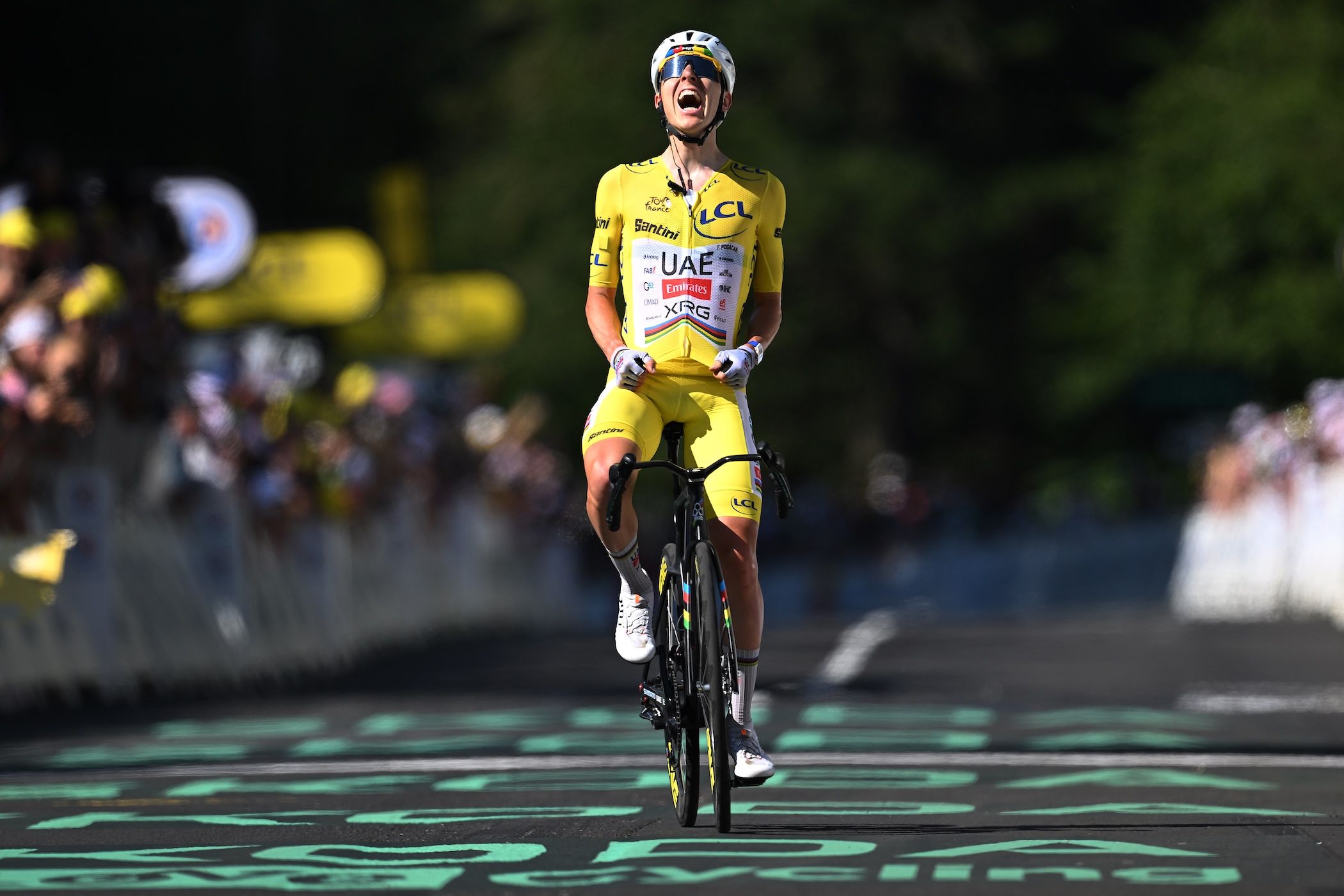
Tour de France Stage 10: Tadej Pogačar crushes rivals uphill
Tadej Pogačar stamped Stage 10 with a solo climb and widened his Tour lead again. Remco Evenepoel surged late, Jonas Vingegaard held on, and the GC picture just got sharper.

British Open 2026: Scottie Scheffler in the hunt at Royal Birkdale
Scottie Scheffler showed up early at Royal Birkdale, and that alone changes the temperature of this British Open. The last major of 2026 is already playing to type.

Astros Trade McCullers, Gordon to Brewers: What It Means
Lance McCullers Jr. is on the move, and the Astros are sending a familiar name and a young piece to Milwaukee for an outfield prospect. It’s a deal with bigger teeth than it first looks.