
Markwayne Mullin Reacts as Iran’s World Cup Run Ends
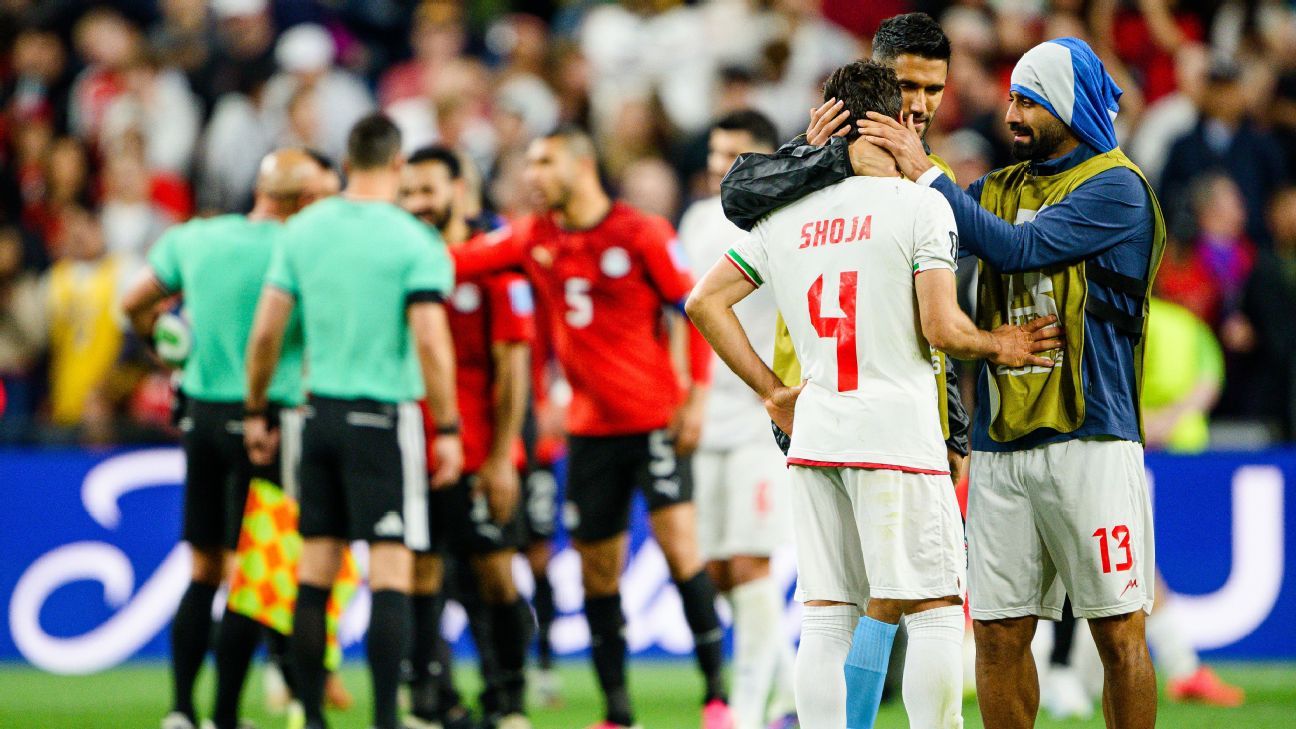
The World Cup is supposed to be all about goals, saves, late drama, and the kind of international chaos that only soccer can deliver. But every tournament also seems to produce a side plot or two away from the field, and Iran’s exit has now added another one to the stack. U.S. Homeland Security Secretary Markwayne Mullin made it clear he was not losing sleep over the result — in fact, he said he was “so happy” Iran are out.
That’s a pretty loaded reaction to a soccer result, even in a tournament that always brings extra layers of politics, history, and pressure. Iran’s place in the competition was already under a microscope before this latest elimination, and once the bracket door slammed shut, the conversation quickly drifted beyond the scoreboard.
The soccer part gets overshadowed fast
At its core, this is still a World Cup story about a team being knocked out. And for Iran, that means the same brutal reality every national side faces when the margins get razor-thin: one bad stretch, one missed chance, one moment of defensive wobble, and your whole campaign can be over before the big prizes are handed out.
That’s what makes the tournament so ruthless. Countries spend years building toward this stage, and then everything can hinge on a couple of matches. When you’re out, you’re out — no mulligans, no second acts, no “we’ll get them next week.”
But Iran’s exit was never going to stay just about football. It was always likely to spill into bigger conversations because, well, that’s the World Cup in 2026. The global stage is massive, the audience is enormous, and any team with political baggage ends up carrying that weight right into kickoff.
Mullin’s reaction turns heads
Mullin’s comment stood out because it wasn’t wrapped in the usual diplomatic language people use when they’re trying to sound measured. “So happy” is about as direct as it gets, and it immediately turns a sporting elimination into a headline-grabbing off-field moment.
That kind of remark doesn’t happen in a vacuum. When a public official speaks that openly about another nation’s World Cup exit, it naturally adds fuel to an already heated conversation. Some people will see it as blunt honesty. Others will see it as unnecessary gloating. Either way, it’s the kind of thing that takes the focus off the players and plants it squarely on the politics surrounding the tournament.
And that’s the tricky part here: the players didn’t create the geopolitical tensions attached to the team badge, but they’re often the ones who end up living inside them anyway. For fans who just want to watch the game, that can be exhausting. For those who follow the wider context, it’s a reminder that the World Cup has never been isolated from the real world for very long.
Iran’s tournament was never going to be simple
Iran’s participation in the World Cup came with more attention than most teams would want before a ball was even kicked. That’s the nature of modern international sport — every match can become a referendum on something bigger than tactics, fitness, or form.
For the squad itself, that kind of spotlight can be both a burden and a motivator. Players are asked to represent a country, but they’re also forced to do it under a glare that goes far beyond normal sporting pressure. Every pass gets judged. Every celebration gets interpreted. Every result gets pulled into a larger narrative.
That’s why exits like this are rarely just exits. They become talking points, political flashpoints, and social media lightning rods all at once. The football is still the football, but the conversation around it can become miles bigger than the match.
What this means for the World Cup conversation
The best thing about the World Cup — and sometimes the worst thing — is that it puts every storyline on the same giant stage. A group-stage goal can become a national memory. A knockout loss can become a country’s latest international talking point. And one offhand comment from a government official can suddenly be part of the tournament’s larger legacy.
That’s where this sits now: not as a tactical breakdown or a player spotlight, but as one more example of how international soccer never stays in its lane for long. Even when the ball stops, the noise keeps rolling.
For supporters, this is the kind of moment that reminds you how much bigger the World Cup is than the bracket on the TV screen. It’s sport, sure. It’s also image, identity, pressure, and politics all tangled together in one giant, unpredictable mess.
The on-field story may be over for Iran, but the conversation around the team clearly isn’t. And if this tournament has taught us anything, it’s that the loudest moments are often the ones that happen after the final whistle.
One thing’s for sure: the World Cup drama never really ends at the edge of the pitch, and this latest reaction proves it. Keep an eye on the fallout, because the soccer may move on — but the conversation around Iran’s exit is still very much alive.