
MLB Olympics 2028: tickets, rooms and union talks complicate plan
Baseball wants the Olympic stage back. The paperwork is already snarling the dream.
 Beatrice Kensington6 min read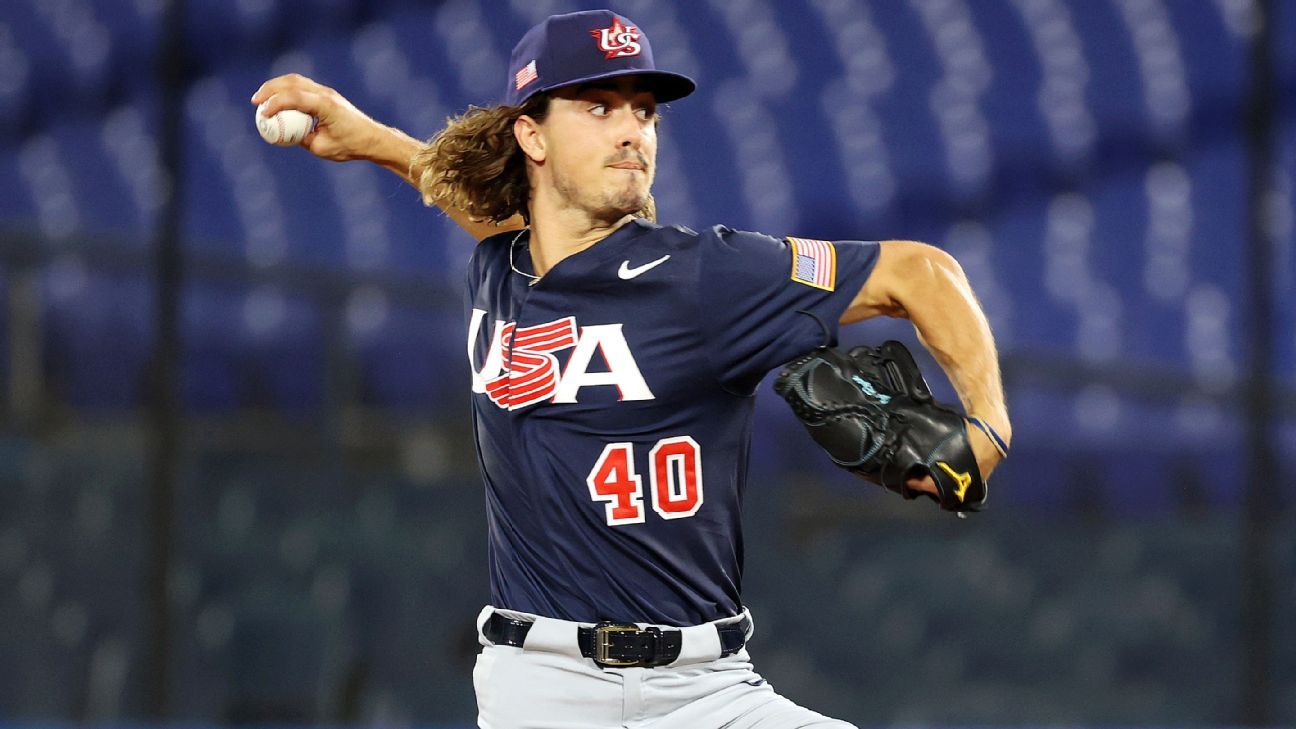
Philadelphia has a way of making sports dreams feel both grand and stubbornly practical. On this one, Major League Baseball is inching toward the bright lights of the 2028 Olympics, yet the path runs through a thicket of tickets, hotel rooms, schedule shuffling and labor leverage. The game itself is ready for the pageantry. The machinery around it is not.
For baseball, Olympic participation has always carried a peculiar ache. The sport lives and dies by time, by rhythm, by the steady grind of a 162-game season that treats interruption like a foul smell in the club tunnel. And still, the lure remains irresistible: the sight of big leaguers in national colors, the anthem before first pitch, the rare sense that a game so deeply American can also belong to the world. MLB owners appear more willing than they once were to open that door. The players’ association, naturally, is looking at the hinges.
Why the Olympics keep pulling baseball back in
Baseball has never quite settled the argument over its place in the Olympic movement. The sport was once a regular part of the Games, then drifted out of the lineup, then staged a brief return in Tokyo, only to vanish again as the calendar and international politics did what they so often do: made sentiment expensive.
The appeal of a 2028 return is obvious. The Olympics offer baseball a global mirror, and for a sport always worried about relevance beyond its own borders, that mirror matters. There is a generation of fans, many of them younger than the last full Olympic baseball era, who have never seen baseball treated as an Olympic centerpiece. Put Major League Baseball players into that frame and suddenly the event stops feeling like a ceremonial afterthought and starts looking like a competitive summit.
But baseball is a worker’s game before it is a spectacle. Every extra day away from the park has a cost. Every flight, every room block, every insurance question and roster exception becomes a line item in a negotiation that is never only about medals.
The labor question is not a footnote
That is where the tension sharpens. Support from owners is meaningful, but support is not consent, and consent is not agreement on terms. The MLB Players Association exists to ask the inconvenient question: who absorbs the risk if a player is hurt, delayed, displaced or simply worn down by a schedule that asks him to represent his country while preserving a club’s investment?
Olympic participation sounds noble until a pitcher’s elbow flares, a catcher’s body buckles, or a star position player spends part of the summer living out of a suitcase in a foreign hotel with no control over recovery time. The union is right to treat those concerns as real, not theoretical. In baseball, the margins are already cruel enough. Add international travel and compressed timing, and the price of patriotism can become injury, fatigue or resentment.
There is also the matter of power. If owners want the prestige of Olympic baseball, they must be willing to pay for it in ways that go beyond slogans. That may mean insurance guarantees, scheduling accommodations, roster protections or some arrangement that acknowledges players are not decorative ambassadors but the central product. The sport has spent decades insisting the stars matter most. Now it must prove it.
If baseball wants the Olympics back, it cannot ask players to donate their bodies to the occasion and call that tradition.
Tickets, rooms and the tyranny of logistics
The tip’s smaller words are the ones that often kill the biggest ideas. Tickets. Rooms. Mandates. The grandest sport on earth can be reduced to a hotel block and an arrival time if the planning is not airtight.
This is where Olympic baseball differs from the warm, fuzzy mythology that often surrounds it. It is not simply a matter of selecting a roster and sending it off under the flag. The Olympic Games are built on coordination among leagues, federations, governments, broadcasters and local organizers. Baseball, with its daily schedule and high injury exposure, is especially vulnerable to the seams in that system.
In practical terms, this means the calendar has to be bent without breaking. Games in July and August are the lifeblood of the MLB season, the stretch when division races harden and contenders begin to reveal their true shape. Asking clubs to release players means asking them to accept disruption at the very point the season becomes most valuable. Asking players to travel means asking them to leave behind routines that have been honed over years.
And then there are the rooms, those dull little units of comfort that somehow become the battleground for elite sport. Where players sleep matters. Recovery matters. Security matters. A medal run can unravel in the spaces between competition.
What this would mean for the sport if it gets done
If baseball finds a way into the 2028 Olympics, the sport gains more than a few televised innings. It gets a chance to reintroduce itself as something larger than a domestic schedule. It can sell its stars not merely as franchise assets but as national figures with a broader canvas. That matters in a sport often accused, fairly or not, of living too much inside its own market boundaries.
It would also restore a bit of competitive romance that baseball has spent years trying to manufacture elsewhere. The 2028 Summer Olympics would give the sport a stage on which a single game can mean more than a standings column. In a culture that increasingly measures attention in seconds, that kind of concentrated stakes has value.
I have long believed baseball underrates the emotional force of absence. When the game disappears from a place where the rest of the sporting world gathers, people notice more than administrators expect. I felt that plainly during the sport’s stop-and-start relationship with Olympic inclusion: the argument was never only about calendar efficiency. It was about whether baseball wished to be seen in the company of the world’s most visible sporting rituals or content itself with its own inherited grandeur.
The answer should be yes, but only if the sport treats the players as partners and not props. The Olympics can still give baseball a fresh shine. They should not be allowed to take it at the cost of the men who actually make the game live.
The next round belongs to the negotiators
The owners have opened the door. The players are looking at the lock. Between them sits a summer calendar that will not negotiate on its own.
If baseball is going to march into 2028, it will need more than enthusiasm. It will need terms that respect the sport, the labor and the bodies that carry both. Otherwise this becomes just another beautiful idea trapped in a meeting room.
More from Straight From The Bench
Comments
Join the conversation — sign in to leave a comment.
Sign in to commentRelated Stories

2026 MLB Home Run Derby: Bryce Harper, Schwarber Light Up Philly
Bryce Harper and Kyle Schwarber made Philadelphia feel like the center of the baseball universe. Jordan Walker left with the bruise of a near-miss and a lesson in hostile theater.
Vahn Lackey Twins Prospect Ranking: Where He Fits in Minnesota
Minnesota’s third overall pick is already a premium name, but the path to the top of the Twins’ prospect board isn’t automatic. The system has enough depth to make this interesting.

Roch Cholowsky signs for $10.35M as White Sox bet big
The White Sox paid up for first-rounder Roch Cholowsky, and that means they see more than a name on a card. It’s a real bet on a shortstop with real pressure.