
Oakland Coliseum Sale: City’s $125 Million Windfall Delayed
A long goodbye to a building that outlived its promises.
 Beatrice Kensington6 min read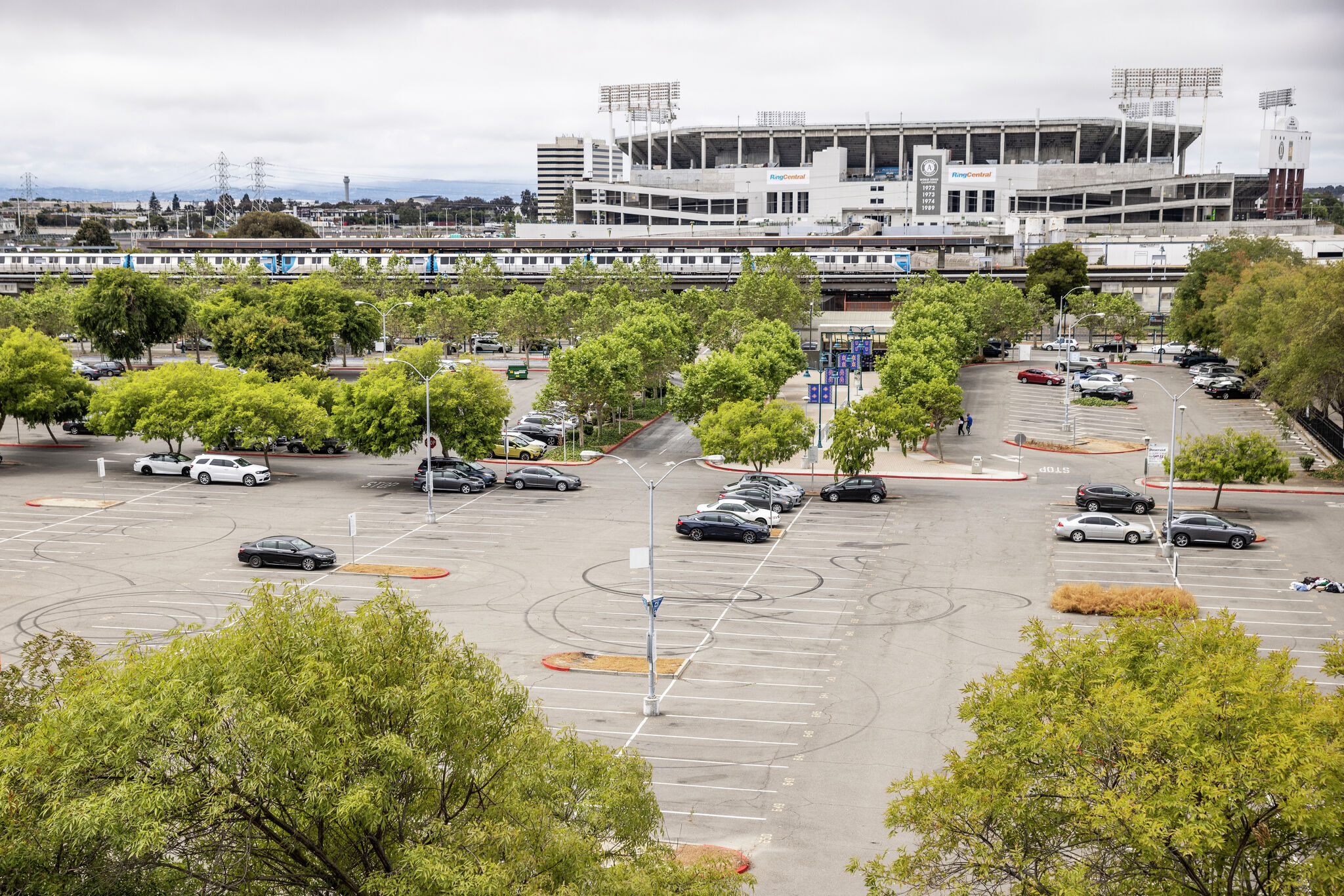
Oakland has finally done what so many Bay Area power brokers, developers, and exhausted fans spent years predicting and dreading: it has agreed to sell its share of the Oakland Coliseum. Yet even here, in the wreckage of a long civic stalemate, there is a catch sharp enough to draw blood. The city may be able to point to a $125 million price tag, but a portion of that money will not reach Oakland for years. In a city that has spent decades waiting for the next rescue, the next promise, the next plausible ending to the Coliseum saga, that delay matters as much as the sale itself.
The Coliseum has never been merely a parcel of land. It has been a stage for civic aspiration and civic embarrassment, for championship parades and taxpayer disappointment, for baseball and football and the kind of half-finished redevelopment dreams that gather dust in municipal drawers. The property once housed the Oakland Athletics, the Oakland Raiders, and the Golden State Warriors, before the city’s sports geography slowly unraveled. What remains is not just real estate; it is a monument to the cost of making a place believe that one big project can solve a hundred smaller failures.
A sale that closes one chapter and opens another
The immediate temptation is to treat the agreement as a clean exit. It is not. The delayed payout changes the emotional and political arithmetic of the deal, because Oakland’s leaders are not merely selling land; they are negotiating timing, liquidity, and public trust all at once. Cities do not live on headlines. They live on cash flow, obligations, maintenance bills, debt service, and the grim calendar of budget cycles.
That is why the delayed portion of the proceeds looms so large. A lump sum tomorrow is not the same as a promise years from now, especially for a city that has spent years staring at the Coliseum site as both asset and albatross. The ballpark and arena complex has sat at the center of redevelopment debates long enough to become almost mythic, a place where press conferences outlived plans and where optimism often came wrapped in a zoning map.
There is a certain brutal poetry to this. Oakland is being asked once again to accept less certainty than it deserves.
The city is not just selling dirt; it is selling patience, and patience has a price.
What the Coliseum has meant to Oakland
For generations, the Coliseum was one of the few places where Oakland could see itself at full volume. The crowds were imperfect, the concrete was unforgiving, and the setting was never pretty in the way suburban stadium boosters like to promise. But it was real. It was shared. It belonged to a city that has too often had to defend its worth to outsiders with spreadsheets and sentiment both.
That history explains why the site still carries such emotional residue. In other markets, an old stadium is simply an old stadium. In Oakland, it became a proxy fight over class, race, public investment, and what communities owe the teams that anchor them. The departure of the A’s, chronic instability around the property, and the broader erosion of Oakland’s sports identity have left the Coliseum as a kind of civic bruise. Not fresh. Worse. Familiar.
If you want a parallel to the larger mood, look across the sports landscape at places that have had to reconcile nostalgia with hardheaded accounting. The same tension shows up in stories as different as the Mavericks’ summer league run and the more flamboyant theater of the Home Run Derby, where promise and performance are always in conversation. But the Coliseum is not a showcase. It is a reckoning.
The politics of waiting for the money
For city government, delayed money is politically awkward because it creates the appearance of a victory while postponing the actual benefit. Officials can celebrate a deal, but residents still have to live with the old ledger: neighborhood needs, infrastructure gaps, public safety demands, and the basic question of whether any of this sale will translate into visible improvement.
That matters in Oakland, where trust in grand redevelopment schemes has been tested for years. A city can endure one broken promise. It struggles to endure five. By structuring the payout so that a portion lands much later, the deal preserves leverage and potentially reflects market realities, but it also asks the public to believe in a future Oakland that has not yet earned the benefit of the doubt.
The larger lesson is that stadium land is rarely just stadium land. It is leverage over transit corridors, housing debates, environmental cleanup, and the power of local institutions to shape a neighborhood’s fate. And because sports venues are so often sold to the public as engines of renewal, the collapse of those dreams has consequences far beyond one parking lot or one scoreboard.
My read: Oakland is learning the hard way how to monetize memory
I have long believed that the most difficult civic assets are not the abandoned ones, but the emotionally loaded ones. Abandoned land can be sold with a clean face. A place like the Coliseum arrives at the table carrying ghosts. The city is not just negotiating with buyers; it is negotiating with its own history, and that history is expensive.
My own view is that this sale, delayed payout and all, is less a triumph than a necessary surrender. Oakland cannot keep pretending the old model is coming back in a better mood. The teams are gone or going, the development fantasies have been bruised by time, and the city needs something sturdier than nostalgia to work with. If the terms are imperfect, they are still terms. That alone is progress in a place that has spent too long circling a site rather than moving beyond it.
There is a parallel, too, with the way fans process departure in sports: not with a single clean break, but with a slow acceptance that the emotional value of a place and its financial value are not always aligned. Oakland knows that pain well. The Coliseum taught it.
What comes next for Oakland
Now the hard part begins. A signed agreement is not the same as a finished civic chapter, and the delayed money means Oakland will have to keep budgeting, planning, and arguing with one eye on a future payment that has not yet arrived. The city has sold part of its past. It still has to decide what kind of future it wants to build on top of it.
That is where the real story lives. Not in the sale price alone, but in whether Oakland can turn a late check into an early start.
More from Straight From The Bench
Comments
Join the conversation — sign in to leave a comment.
Sign in to commentRelated Stories

2026 MLB Home Run Derby: Bryce Harper, Schwarber Light Up Philly
Bryce Harper and Kyle Schwarber made Philadelphia feel like the center of the baseball universe. Jordan Walker left with the bruise of a near-miss and a lesson in hostile theater.

Vahn Lackey Twins Prospect Ranking: Where He Fits in Minnesota
Minnesota’s third overall pick is already a premium name, but the path to the top of the Twins’ prospect board isn’t automatic. The system has enough depth to make this interesting.

Roch Cholowsky signs for $10.35M as White Sox bet big
The White Sox paid up for first-rounder Roch Cholowsky, and that means they see more than a name on a card. It’s a real bet on a shortstop with real pressure.