
Texans co-founder Janice McNair dies at 89: Houston loses its matriarch
A quiet giant of the franchise era leaves behind a team, a city, and a standard.
 Beatrice Kensington6 min read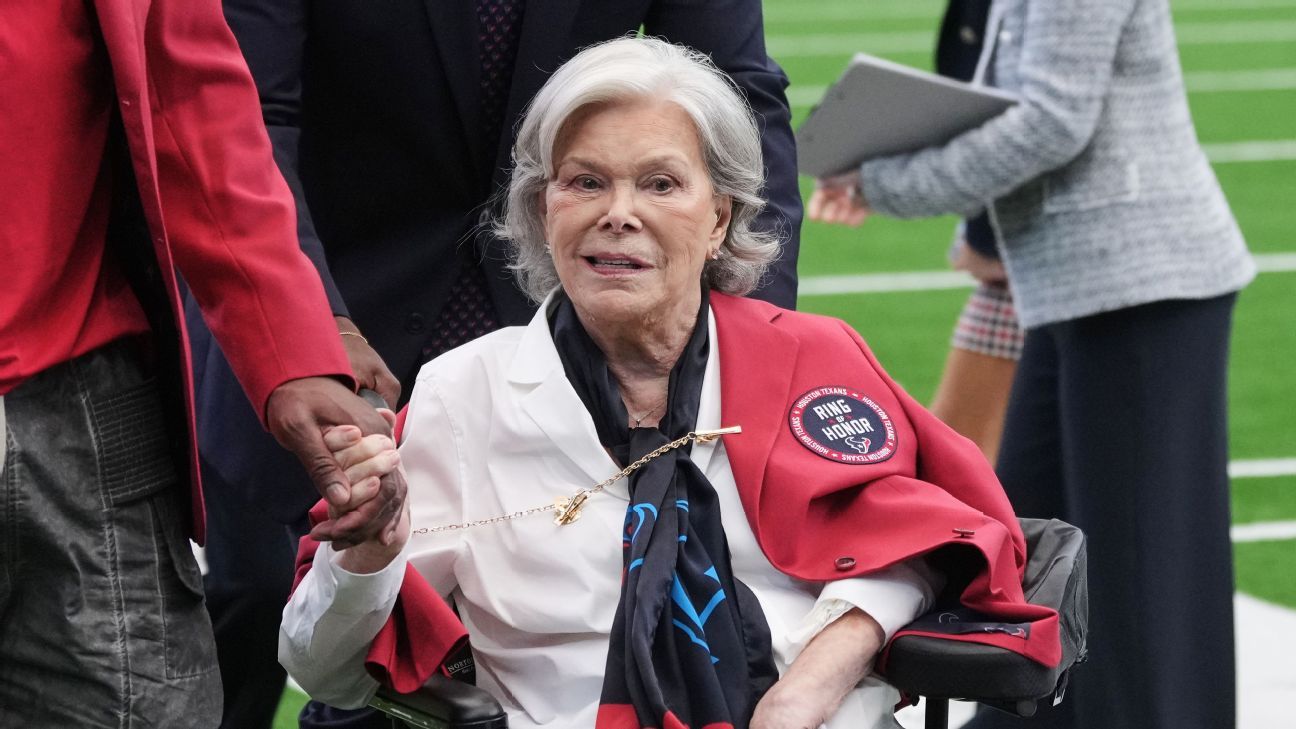
Janice McNair was never the sort of owner who sought the center light, yet Houston football spent more than two decades moving under the shadow and shelter of her influence. Her death at 89 closes a chapter that began not with banners or championships, but with patience, civic faith, and the long work of building something from nothing in a city that had waited too long for its team.
A founder who helped turn an idea into a civic institution
The Texans did not arrive as a novelty. They arrived as a promise — to a city still nursing the wound left by the Oilers’ departure, to fans who wanted a team that could belong to Houston rather than merely play there. Janice McNair, the co-founder and senior chair of the Houston Texans, was part of the force that made that promise real.
That matters because franchises are not only won on Sundays. They are assembled in boardrooms, in the margins of stadium deals, in the stubborn labor of keeping an operation steady while the football side finds its footing. McNair’s role was not the swaggering public kind that sports often rewards with mythmaking. It was steadier than that. More durable. The Texans were born in the era when ownership itself had become a kind of institutional identity, and she stood near the center of it.
The team’s statement called her exceptional, kind, joyful. Those are lovely words, but what lingers most in a death like this is not the formal tribute. It is the shape of the life underneath it — the person who helped hold together a franchise’s early years while the football product rose and fell, while the city asked for hope and rarely accepted excuses.
Houston remembers its own long road back to NFL permanence
To understand Janice McNair’s importance, you have to remember what Houston football had lost. The Houston Oilers left town in the 1990s, and for many fans that departure was not just a business dispute. It was an abandonment. The Texans’ arrival in 2002 restored NFL permanence to a market that had earned it, and the McNairs became the family tied to that restoration.
That is why her death resonates beyond the customary language of ownership and succession. She was part of the bridge between grief and belonging. She helped oversee a franchise that, for years, was expected to be both a team and a balm. Fans do not always say such things out loud, but they feel them. They know when a club is carrying a little more than wins and losses.
Houston has spent a generation teaching itself how to measure football hope without romanticizing it. The Texans have had their bright seasons, their bruising disappointments, and those difficult stretches when the team seemed to be searching for its own identity as much as a quarterback. Through it all, Janice McNair represented continuity. In an industry where owners can become symbols of churn, she was closer to a fixed point.
In a league built on turnover, the most underrated luxury is an owner who makes a franchise feel anchored.
The human side of ownership rarely gets enough airtime
There is a tendency in sports to flatten owners into either villains or invisible money. Reality is usually less cinematic and more consequential. Ownership shapes the temperature of a building, the patience of a front office, the way a city understands itself on game day. The McNairs, for all the criticism that inevitably follows any long-tenured football power structure, gave Houston something foundational: a permanent NFL address.
I have always believed that the best owners are not the loudest ones, nor even the richest. They are the ones who understand that a team is a public object, one that citizens arrange their calendars, moods, and childhood memories around. Janice McNair seemed to understand that. Her public presence was measured, her posture more matriarchal than performative. There is value in that. In an era that rewards spectacle over stewardship, restraint can be its own form of authority.
I think that is why her passing feels larger than an obituary line. It marks the fading of a certain kind of ownership family — one that, at its best, saw itself not simply as a financial engine but as custodian of a city’s sports inheritance. That idea can sound old-fashioned until it disappears. Then it sounds essential.
The Texans today are a modern franchise in every sense: tuned to the salary cap, the analytics language, the quarterback economy, the pressure of competing in a ruthless division. But they are also still the team that had to win over a city scarred by absence. McNair’s influence belongs to that older, quieter work of legitimacy. It is easy to overlook because it does not show up in a box score.
What her death means for the Texans moving forward
In practical terms, the Texans’ ownership structure will continue. In symbolic terms, something gentler and rarer has changed. The franchise loses a founding presence, and with that loss comes a reminder that teams outlive the people who shape them. The question now is how the organization chooses to honor the tone she set.
Will the Texans remember that a franchise can be ambitious without being graceless? Will they understand that the relationship between a team and its city is built over decades, through trust as much as talent? Those are not sentimental questions. They are organizational ones.
For Houston fans, this is a moment to look back at where the Texans began and how far the club has traveled since 2002. It is also a moment to take stock of what kind of institution the team has become. Every franchise eventually reaches a point where the founding generation becomes memory. The best ones treat that memory as instruction.
The Texans will go on drafting, signing, coaching, and chasing the next Sunday. That is the business of the league. But Janice McNair’s death reminds us that the deepest parts of sports are often built far from the field, by people whose names may not echo as loudly as the stars’. Houston knows that name now, and it should.
The team will play on. The memory will, too. And for a city that once had to ask for its football back, that matters more than most people outside Houston will ever understand.
More from Straight From The Bench
Comments
Join the conversation — sign in to leave a comment.
Sign in to commentRelated Stories
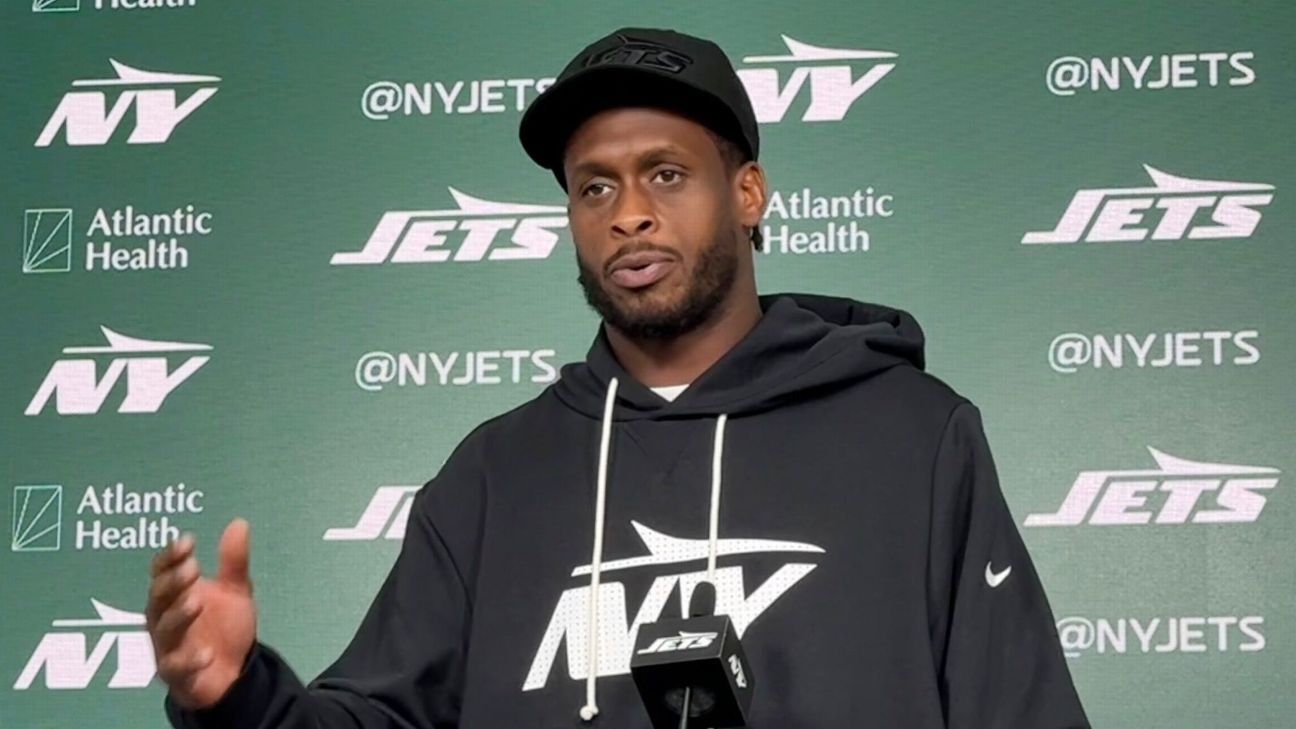
Geno Smith battery investigation: Jets QB won't be charged
Geno Smith won’t face charges after a battery investigation, but the Jets still have a mess to manage. In this league, clearance and calm are never the same thing.

Seattle Seahawks Owner Vinod Khosla Social Media Feud Fuels Buzz
Vinod Khosla’s sparring with Elon Musk is a reminder that modern owners arrive with opinions, followings and consequences. For the Seahawks, that can mean attention—and noise.

Seattle Seahawks Sale Agreement: Khosla Family Takeover Reaction
A new Seahawks ownership chapter is forming fast, and the ripple effects go way beyond the boardroom. This is about control, cash, and the next era in Seattle.