
The Mets Stopped Bleeding, and Atlanta Felt It
 Beatrice Kensington6 min read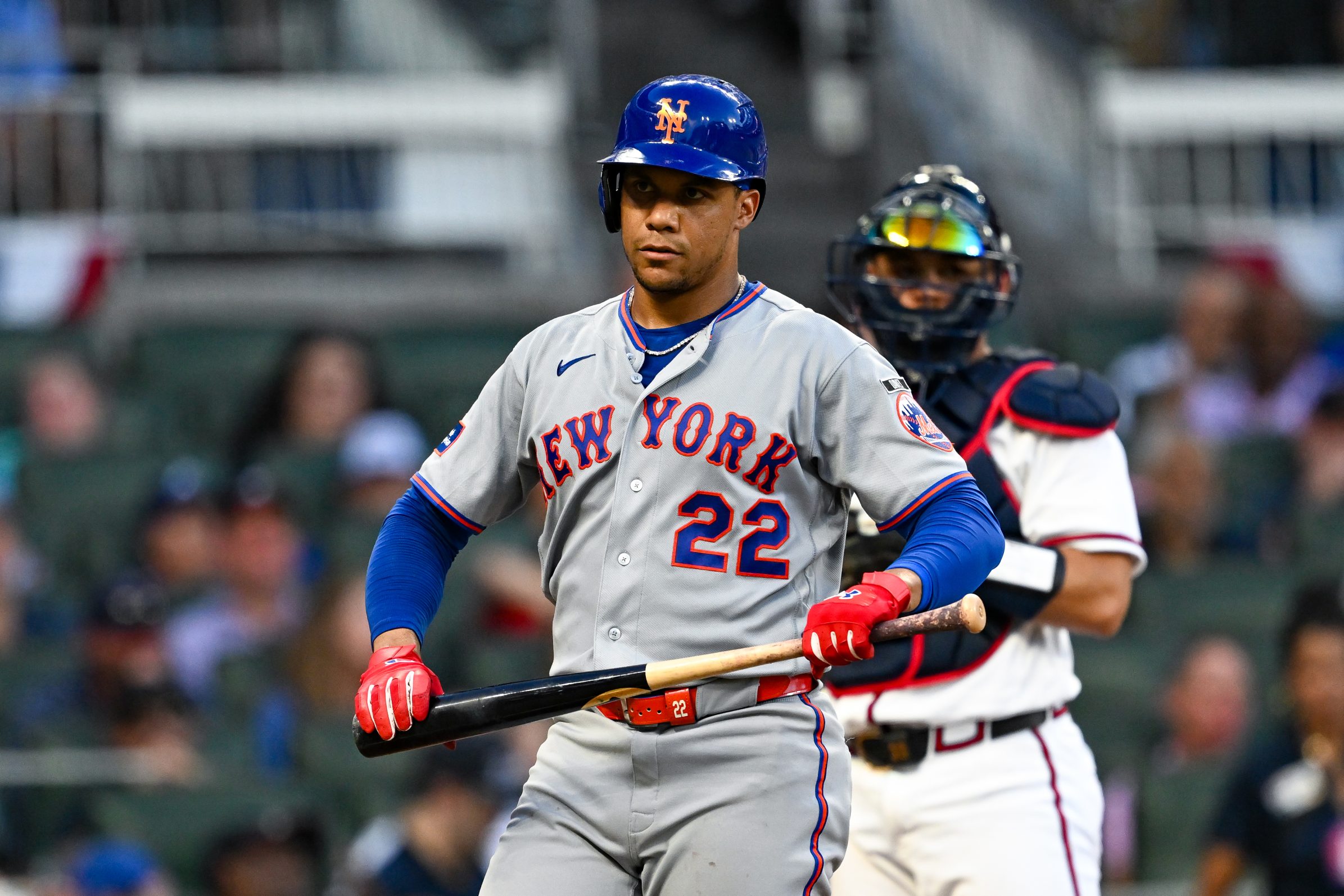
The New York Mets walked into Atlanta carrying the sort of season that can make a ballclub feel heavier by the inning, then left with a split that had the strange, stubborn smell of life. Two wild wins, 10-9 and 7-6, against the division leaders do not erase the mess that preceded them. They do, however, suggest something quieter and more valuable than a hot streak: a team remembering how to stay upright when the floor tilts.
That is not nothing. Not in September, not in the National League East, and not against the Atlanta Braves, who have spent recent seasons teaching the rest of the division how to live with pressure without blinking. The Mets did not beat Atlanta by playing polished baseball. They beat them by surviving chaos better than the home team did, and in a season defined by their own bullpen instability, that distinction matters more than a tidy box score.
A split that felt bigger than the calendar
Series splits are baseball’s most underappreciated currency. They rarely make the emotional weather report, but they can tell you whether a club is merely drifting or beginning to gather some shape. The Mets’ visit to Atlanta was one of those weekends where the scoreboard looked less like a ledger than a card table after midnight: crooked numbers everywhere, late innings wobbling, relief arms summoned like EMTs.
And still, the Mets found two wins.
That alone says something about a team that has spent much of the season trying to convince itself that talent and timing might eventually meet in the same room. The offense did enough to keep the club afloat. The bullpen, to be blunt, did not suddenly become trustworthy; the tip makes clear that severe bullpen issues remained part of the picture even in the victories. But the Mets managed to turn the disorder into an outcome that at least resembled competitive dignity.
The effect on Atlanta is subtle but real. Division leaders are supposed to turn turbulence into control. When they do not, when a wounded opponent comes in and steals oxygen, it nags at the edges of confidence. The National League East has never been a place where a club can coast on reputation for long. Every September bruise is remembered.
The bullpen is still the bruise under the bandage
The Mets’ relief corps has been the club’s recurring headache, the thing that turns otherwise reasonable evenings into public arguments. A team can live with inconsistency from one pitcher. It can even survive a stretch of it from two. But when the late innings become a place where lead protection feels accidental, every game starts to carry the emotional weight of an emergency.
That is why these wins, messy as they were, deserve a little more respect than the usual shrug reserved for high-scoring series. The Mets were not clean. They were not composed. They were not serene. Yet they found enough offense and enough nerve to hold on while their bullpen threatened to give the whole enterprise away. There is a kind of grim skill in that. It is not glamorous skill, and nobody hangs a pennant for it, but it is often the difference between a season that slips quietly into irrelevance and one that keeps poking the door.
For the hitters, this matters because a club that knows its bullpen may leak runs has to keep its foot on the gas. That changes approach. It changes patience, aggression, the calculation on the bases. It can make the whole roster tense, and tension, over 162 games, is a tax.
What a road split says about the Mets’ temperament
Baseball has a way of exposing character in fragments. Not in speeches. In two-out at-bats, in a reliever’s shoulder roll, in the way a dugout reacts after a blown lead. The Mets’ road split in Atlanta suggested a team still full of flaws, but not fully drained of nerve. There is a difference, and it is the difference that keeps a front office honest.
A team does not have to be clean to be dangerous. Sometimes it only has to stay standing long enough for the other side to get tired.
That is the part of this weekend that should linger with Mets people. Not the fantasy that the club has suddenly transformed into a polished contender, because the evidence does not support such a flourish. But the possibility that even a flawed roster can become troublesome if enough bats stay alive and enough games remain close. In a long season, menace is often more useful than beauty.
I have watched enough baseball to distrust the tidy narrative that a couple of scrappy wins “fix” a club. They do not. They can, however, reveal where the bones still hold. For the Mets, that means the lineup has not gone completely quiet, and the players have not yet begun to play like men waiting for the inevitable calendar mercy of October. I would rather cover that version of a team than the defeated one, because defeated teams stop forcing decisions. Dangerous ones make managers and executives think twice.
The bigger picture: survival still counts in October-adjacent baseball
This is the part that gets missed when people insist on measuring every week by whether it felt like salvation. Baseball is not a morality play, and a team does not become worthy only when it becomes elegant. Sometimes the meaningful sign is uglier: a road split against a division leader, won through sweat and instability, that keeps the season from collapsing into a chorus of regret.
For Atlanta, the weekend is a reminder that good teams do not get to coast just because the standings say they should not have to worry. For the Mets, it is a reminder that they still have a pulse in a division that tends to punish anything less than full attention. If this club is going to matter down the stretch, it will not be because the bullpen has become a model of refinement. It will be because the lineup keeps prying open innings and the team keeps refusing to fold when the game gets loud.
That is not a romance. It is a job description.
The Mets do not need to be lovely right now. They need to be annoying. They need to make opponents keep playing. They need to keep forcing the issue, because in baseball, as in life, momentum can look a lot like stubbornness until the standings catch up.
The next series will tell us whether this was a brief flare or the start of something sturdier. Either way, Atlanta just learned the Mets are still capable of making a mess dangerous.
Comments
Join the conversation — sign in to leave a comment.
Sign in to commentRelated Stories

Justin Verlander’s Exit: The End of Baseball’s Last Great Fastball Era
Justin Verlander says this season will be his last, closing the book on a career that stretched across eras, ballparks, and baseball’s changing idea of dominance.
Tolbert’s streak, Ohtani’s 300, and O’Hearn’s wild night: MLB’s strange little headline factory keeps humming
Tyler Tolbert tied a major league hitting mark, Shohei Ohtani hit No. 300, and Ryan O’Hearn turned one night into a franchise record. Baseball stays gloriously absurd.

Shohei Ohtani’s 300th Home Run Is More Than a Milestone — It’s a Warning Shot
Ohtani reached 300 career homers in record-shaking style, a reminder that his place in baseball history is no longer theoretical.