
Visma’s Barcelona blast sent an early Tour warning nobody can ignore
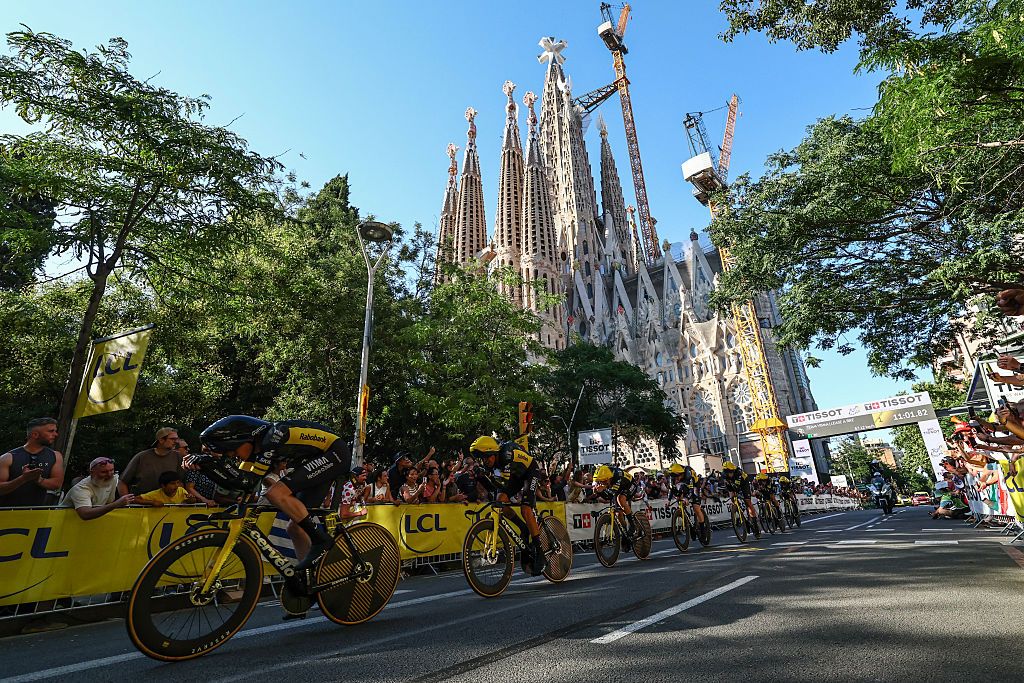
The Tour de France didn’t tiptoe into 2026. It rolled out in Barcelona and let the strongest collective in the race make the first loud noise of the month. A 19-kilometer team time trial is a peculiar way to open the biggest bike race on earth — part chess match, part demolition job — but that’s exactly why it mattered. Visma-Lease a Bike treated it like a mission, not a warm-up, and the message came through clean: this team did not come to spend the first week surviving.
Barcelona’s return gave the Tour a proper test
The team time trial has always been one of cycling’s most unforgiving spectacles. No hiding, no freeloading, no pretending your form is better than it is. The clock tells the truth, and in a Tour de France team time trial, that truth usually punishes the teams with one weak wheel or one bad decision. Barcelona’s Grand Départ gave the race a stage format that rewards coordination as much as watts, and that changes the whole opening week mood.
This was not some ceremonial lap to get the cameras rolling. A 19-kilometer opener in a city like Barcelona forces the contenders to show their hands immediately. The big GC teams had to decide whether to chase a stage win, protect their leaders, or avoid the kind of early time loss that can haunt a rider for the next three weeks. Those are not small choices. They shape tactics, sleep, and pressure.
For the Tour de France, a team time trial has always been a reminder that a GC title is built by more than the rider who raises the trophy in Paris. It’s the staff. It’s the rotating engine room. It’s the domestiques who can keep the pace high on command and still have enough left to do it again two days later.
Visma looked like a Tour team, while everyone else looked like a chase
Visma-Lease a Bike’s performance had the look of something more serious than a stage win. It looked organized, deliberate, almost cold. That’s how the best teams operate in this discipline. They don’t just go hard; they go hard together. And when Jonas Vingegaard is attached to a machine like that, the whole race feels tilted.
Vingegaard has never needed fireworks to be dangerous. He’s built for attrition, for making rivals work a little harder every day until the gap becomes a problem. Put him in a strong Visma-Lease a Bike lineup, and you get the sort of opening statement that forces every other GC favorite to study the road book twice. Not because the race is over. Far from it. Because the cost of chasing now starts to stack up later.
That’s the brutal beauty of the team time trial. The winner gets more than a stage result. It gets leverage. The team with the best cohesion doesn’t just bank seconds; it creates nervousness. Rivals know they have to take time back somewhere, and the Tour has a way of making those recovery plans look expensive by the second rest day.
In a team time trial, the strongest rider is often the one who can disappear into a perfect line.
What this means for Vingegaard and the GC race
For Jonas Vingegaard, this is exactly the kind of start that can settle a team. Not because one stage decides the Tour, but because it confirms the hierarchy. If the legs are there and the crew is in sync, Vingegaard can race from a position of control instead of panic. That’s a huge difference.
It also puts pressure on the other major GC outfits to respond quickly. A strong team time trial can expose the size of the gap between a contender and a pretender before the mountains even arrive. And once the race gets into the high country, every earlier second starts to matter twice as much. Teams that lose time in the opener often spend the next week acting like they’re on the defensive, and that changes how aggressively they can race.
There’s a lesson here for the Tour’s old guard too: collective strength still wins this race in ways that pure reputation can’t. Fans love the drama of one rider saving the day, but cycling’s great lesson is usually the opposite. A champion is often the visible tip of a very disciplined iceberg.
The opening week just got sharper, and the margin for error got smaller
Barcelona gave the Tour a proper launch because it forced the top teams to race like contenders from the first kilometer. That matters. Too many Grand Départs become theater before they become sport. This one had teeth.
The riders who lost a little time didn’t just lose numbers on a screen. They lost a bit of freedom. They’ll need to ride smarter, spend more energy reading moves, and maybe take fewer risks later on. Meanwhile, Visma gets to enjoy the rarest commodity in stage racing: a calm first day after doing something ambitious.
The bigger takeaway is simple. If Visma-Lease a Bike can already dictate the tone in a team event like this, the rest of the peloton has to decide whether it wants to race against them or race around them. That’s a bad spot to be in when the mountains are still on the horizon and the hardest work is still ahead.
The Tour has only just started, but the warning was loud enough to hear all the way to Paris. Visma drew the first line in the sand. Everyone else now has to decide how much pain it’s worth to cross it.
Comments
Join the conversation — sign in to leave a comment.
Sign in to commentRelated Stories
MSR locks in Marcus Armstrong, hands him the No. 60 for 2027
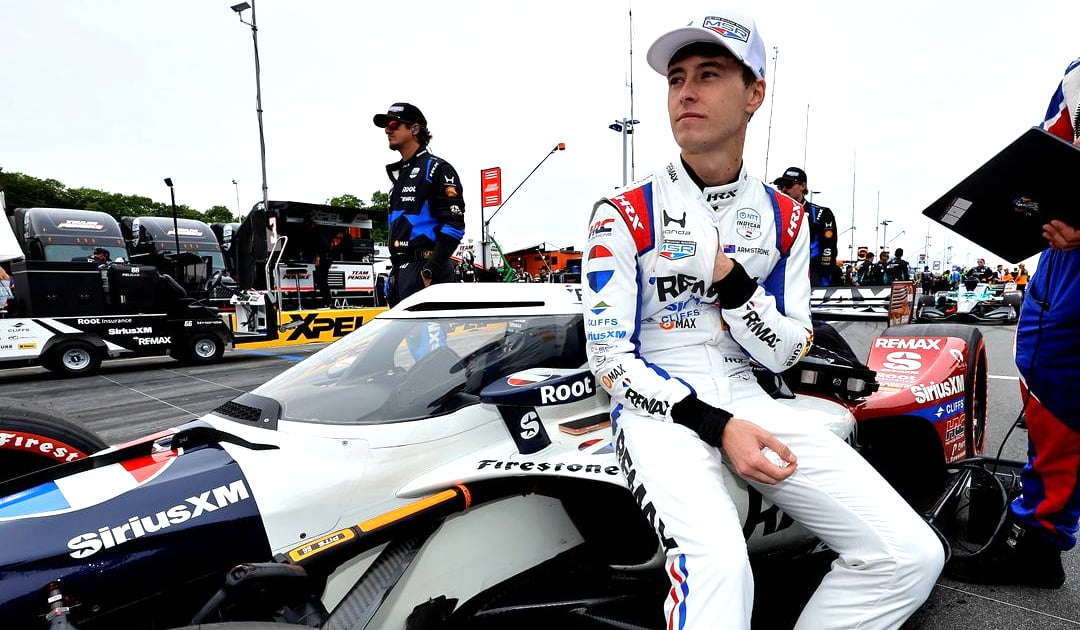
Meyer Shank Racing has its next move lined up: Marcus Armstrong is staying put on a multi-year deal and taking over the No. 60 Honda.

Rich Paul’s Photo Adds Fuel to the LeBron Next-Team Buzz
LeBron James’ future is already the NBA’s favorite offseason soap opera, and Rich Paul just added more smoke to the fire.
Messi’s Argentina Headlines a Packed World Cup Round of 32 Slate
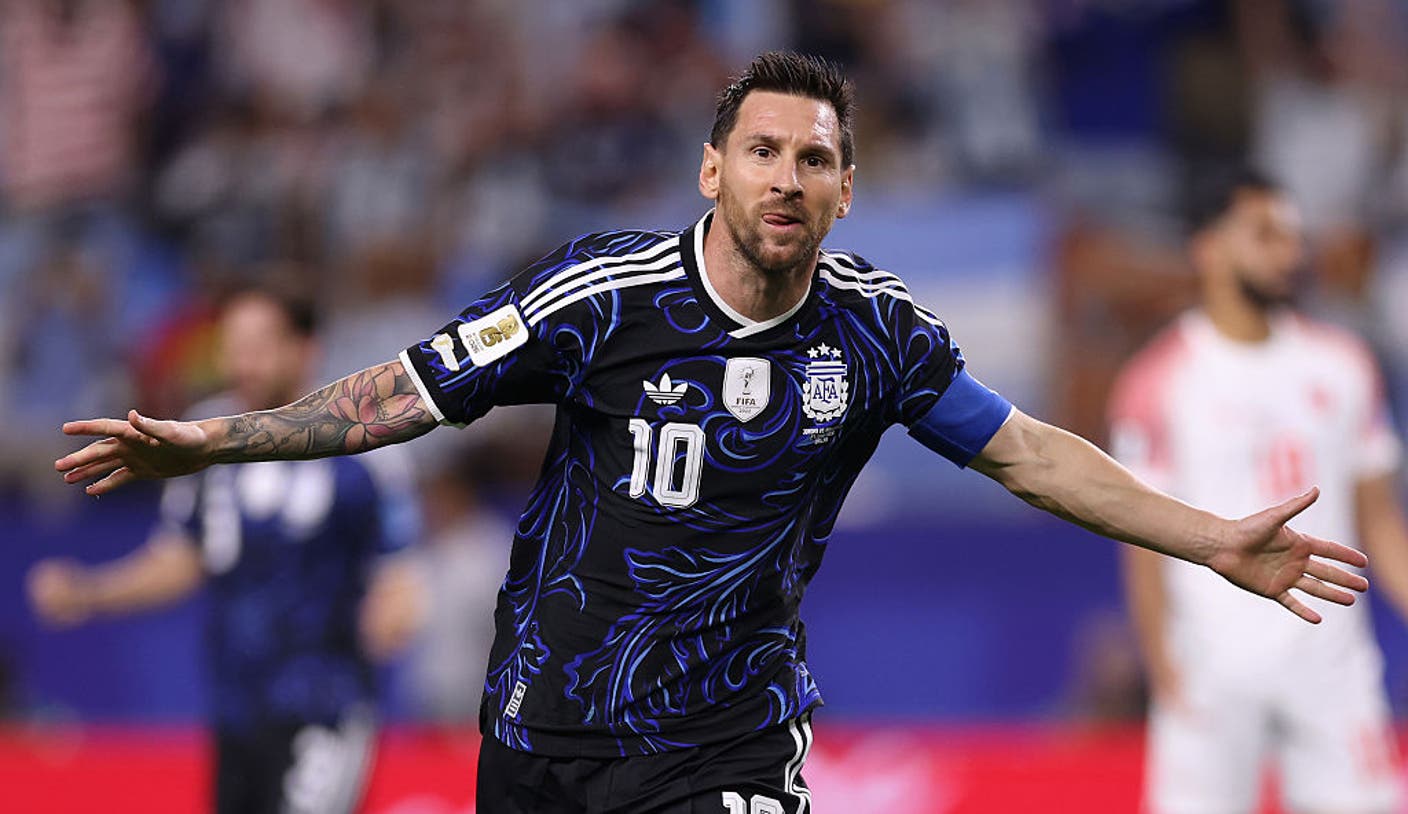
Round of 32 drama is here, and Messi’s Argentina is front and center. Here’s the full day of World Cup action, kickoff times, and how to tune in.