
White Sox Have Three Very Different Paths at No. 1
 Zane Miller6 min read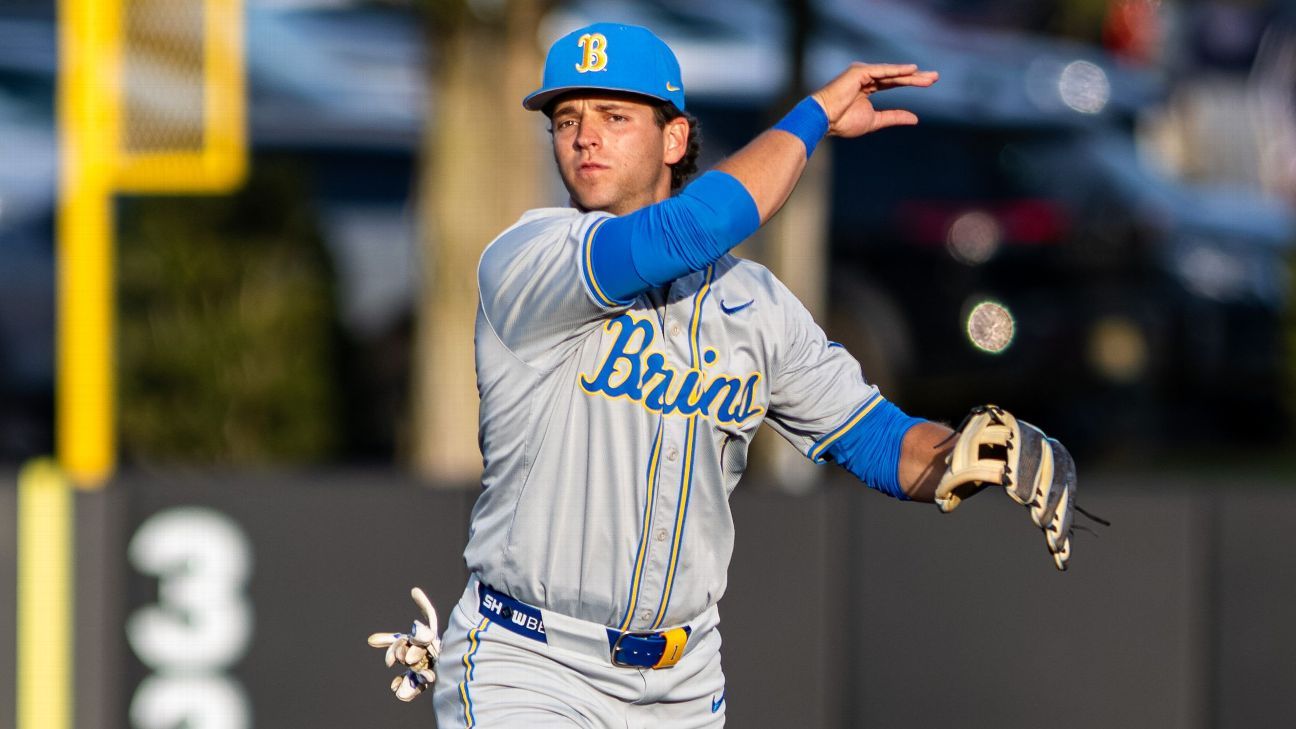
The White Sox are staring at the kind of draft decision that can shape a franchise for a half-decade, maybe longer. With three days left before the MLB draft, they’ve trimmed the field to three names: UCLA shortstop Roch Cholowsky, Georgia Tech catcher Vahn Lackey and Texas prep shortstop Grady Emerson. That is not a list built for indecision. That’s a front office trying to decide what kind of foundation it wants to pour first.
The detail that jumps out is the spread. You’ve got a polished college shortstop, a catcher from a power program and a high school shortstop with upside and volatility baked in. That’s three different timelines. Three different risk profiles. Three different answers to the same question: do you take the best present-day certainty, the premium defensive position, or the teenager with the loudest ceiling?
Chicago’s no-1 pick is really a roster philosophy test
This is not just about adding talent. The White Sox are drafting from the top in a season where their organizational picture still feels fragile. The big league club needs impact everywhere, and the farm system needs players who can either move fast or become true centerpieces. That makes the No. 1 pick less about beauty contests and more about fit with a long rebuild.
Cholowsky, a UCLA product, brings the kind of floor teams love when they’re trying to stabilize a system. College shortstops usually mean cleaner scouting, more data, and less prayer. That matters. If you’re Chicago, you can’t keep missing on the kinds of picks that are supposed to become daily lineup anchors. A player like Cholowsky gives you a chance to lock down a premium defensive spot with a bat that’s already lived through elite college competition.
Lackey is a different kind of bet. Catchers are always hard to evaluate because the value goes beyond the box score. If a front office thinks he can handle the run game, the game-calling, and the physical grind, that’s the type of player who can change an organization’s pitching development almost overnight. Catchers are the meeting point of staff confidence and lineup value. If they get that one right, the ripple effect is real.
Emerson is the pure upside play, and those are the names that tend to make people in draft rooms sit up a little straighter. High school shortstops at the top of the board always carry a little sizzle because you’re buying projection. You’re buying the possibility that the player becomes the best version of himself five years from now, not the best version available by August. That’s a tough sell for fan bases that have already lived through too much waiting, but it’s how teams land the rare, difference-making player when the draft breaks right.
Cholowsky, Lackey and Emerson: three different kinds of pressure
What makes this so interesting is that all three candidates solve a different White Sox problem.
Cholowsky speaks to certainty. Teams at No. 1 often talk themselves into upside, then spend years trying to make the tools play. A college shortstop reduces some of that noise. He’s been tested in a major conference setting, and there’s value in knowing what the player looks like against strong competition before you hand him the keys to the franchise plan.
Lackey speaks to positional scarcity. Catchers who can become everyday regulars are gold because they touch every inning. If the White Sox believe he’s the kind of backstop who can grow with a young pitching staff, that’s not a luxury pick. That’s infrastructure. Organizations don’t talk enough about how much a dependable catcher can quiet everything around him.
Emerson speaks to ceiling, and this is where the modern draft gets tricky. A high school shortstop can be the best player in the room by a mile or become a long developmental project that tests everybody’s patience. If Chicago goes that route, it’s a statement. It says the club is willing to live with the long arc and trust its player-development apparatus to do what it’s been paid to do.
The White Sox don’t need a fun pick. They need a correct one.
That line matters because this franchise has already burned too much time chasing the illusion that the next answer would arrive faster than it really would. The No. 1 pick isn’t about chasing the loudest amateur toolbox. It’s about matching the player to the organization’s actual state of repair.
Why the White Sox can’t afford a cute answer here
I’ll say this plainly: if you’re picking first, you don’t get extra points for being clever. You get judged on whether the player becomes a cornerstone.
That’s why this decision feels bigger than the three names. It’s about whether the White Sox are ready to prioritize polish, positional value or long-term upside in a system that still needs all three. There’s no perfect answer. There’s just the one that best fits their developmental capacity and risk tolerance.
If I’m reading the room correctly, Chicago’s calculus probably leans toward reducing variance. Clubs in this spot have to be honest with themselves about how much patience they can actually afford. Fans can wait. Front offices can say they’re patient. But executives know that a No. 1 pick who stalls is not just a missed pick — it’s a multi-year tax on the rebuild.
That’s why the college names usually carry more practical weight than the prep bat, even when the prep bat has the prettier upside graph. Not because the ceiling isn’t real. Because the margin for error is smaller when the major league club is still trying to find its identity.
What to watch when the pick comes in
The final tell will be how much Chicago values speed to impact versus star-shaped upside. If they want the safest route to a player who can move through the system with less uncertainty, Cholowsky is the one to watch. If they want a premium defensive position with leadership gravity and the chance to influence a pitching staff, Lackey becomes very hard to ignore. If they decide the draft should be about chasing a future star rather than protecting the floor, Emerson suddenly becomes the most aggressive swing in the group.
And make no mistake, this choice will also say something about how the White Sox see their internal development pipeline. Teams don’t just draft players; they draft timelines. They draft instructions for the next five years.
The first pick isn’t going to fix Chicago overnight. It’s not supposed to. But it can set the tone for whether this rebuild is about chasing certainty, chasing impact, or chasing the highest-end talent in the room. That answer is coming fast.
And once it lands, everybody in the organization will start living with it.
Comments
Join the conversation — sign in to leave a comment.
Sign in to commentRelated Stories

A Roof, a Ray Tank and a Fight for Tampa Bay’s Baseball Future
The Rays’ new ballpark renderings are flashy, air-conditioned, and built for the kind of Florida weather that’s beaten up baseball for years.
The Cubs’ Quiet Luxury: A Lineup Built to Keep the Wrecking Ball Swinging
Seiya Suzuki slides back to DH, the bats stay loud, and Chicago keeps trying to turn one solid night into a summer habit.

Justin Verlander’s Exit: The End of Baseball’s Last Great Fastball Era
Justin Verlander says this season will be his last, closing the book on a career that stretched across eras, ballparks, and baseball’s changing idea of dominance.