
WNBA All-Star voting gets a reality check as player turnout comes up short
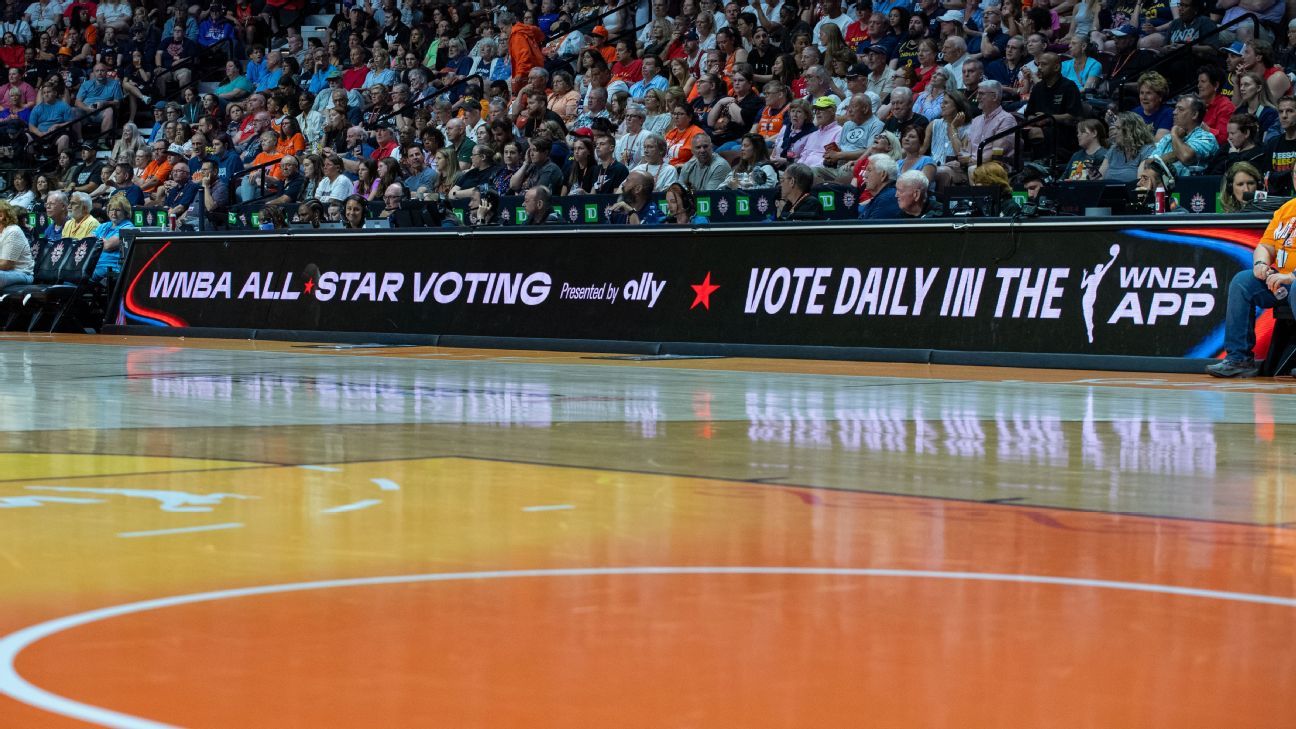
The WNBA All-Star Game is supposed to be the league’s brightest little midseason party: stars, buzz, bragging rights, and a whole lot of fan energy. But this year’s voting process got a dose of reality, because less than half of the league reportedly took part in choosing starters. That’s not exactly the kind of turnout you’d hope for when you’re building up one of the biggest weekends on the calendar.
With the league headed to Chicago for this month’s All-Star festivities, the starter voting side of things was always going to matter. Fans care, players care, and the matchup itself carries extra weight because it’s one of the few times the WNBA gets to put its biggest names all in one spotlight. So when the number of submitted ballots lands at roughly 85 out of about 180 players, it raises eyebrows. Not because every player has to be glued to the process, but because the number is just plain low for something this important.
A low turnout for a big-stage event
The basic math tells the story. Roughly 180 players are in the league, and only about 85 reportedly sent in ballots for All-Star starters. That’s a little under half. For a league that has seen more attention, more excitement, and more conversation than ever, it’s a surprising number.
It’s worth saying that not every player ballot automatically turns into a headline, and not every part of All-Star week is going to get full participation from every corner of the league. Players are busy. They’re traveling, competing, recovering, and trying to survive a brutal stretch of the schedule. But All-Star voting is still one of those moments where the league’s voice should feel loud and full. When it doesn’t, the disconnect is hard to miss.
Why this voting process matters
All-Star starters are more than just a ceremonial label. They’re the names that usually get the most attention when people talk about who’s setting the tone for the season. Fans argue about them. Players have opinions about them. Everybody has a favorite and a gripe. That’s part of the fun.
And in the WNBA, that fun matters even more because the league has spent years building momentum and earning more mainstream attention. The All-Star Game is one of the clearest chances to turn that momentum into something loud and visible. So when player participation in the voting process is lighter than expected, it doesn’t just affect the ballot count — it chips away a bit at the energy around the event.
There’s also the peer-to-peer element. Players voting for starters gives the whole thing a certain legitimacy. It’s one thing for fans to campaign hard for their favorites. It’s another when the athletes themselves are part of deciding who gets the nod. That layer is part of what makes All-Star selection feel meaningful instead of purely promotional.
Fans still carry plenty of weight
Even with a smaller-than-expected player vote turnout, fans remain a huge part of the All-Star equation. The WNBA’s fanbase has been getting louder, sharper, and more engaged, especially around top players and big matchups. People are watching closely, debating choices, and making sure their voices are heard.
That matters because the league’s growth has been powered in part by fans who treat regular-season games like they’re must-see TV. Every highlight gets clipped, every breakout performance gets discussed, and every starter snub gets at least five group chats fired up. So if player ballots are lighter than expected, it doesn’t mean the conversation disappears. If anything, it means fans may end up carrying even more of the buzz.
And let’s be honest: that’s usually where the real chaos lives. All-Star voting is never just about the numbers. It’s about who’s being recognized, who’s missing out, and who feels like they got the short end of the stick. That’s where the passion comes from, and passion is the whole point.
Chicago is still ready for the spotlight
One thing this news doesn’t change is the stage itself. Chicago is set to host the WNBA All-Star Game, and that alone gives the event major shine. The city, the crowd, the atmosphere, the star power — all of it should still make for a huge weekend.
That’s the part that keeps this from becoming a downer story. A voting wrinkle is a voting wrinkle. It’s not the event itself. Once the starters are locked in and the All-Star weekend gets rolling, the focus shifts back to the fun stuff: who gets hot, who shows out, who turns the game into a highlight reel, and who walks away with bragging rights until next year.
The league has no shortage of personalities and elite talent to make that happen. Whether the ballots were plentiful or not, the All-Star Game still has a chance to deliver the kind of spectacle fans want.
The bigger picture for the league
If anything, this is a small but interesting reminder that the WNBA is still figuring out the best way to balance rapid growth, player schedules, and event engagement. More eyes on the league also means more scrutiny, and little things like ballot turnout can suddenly become part of the larger conversation.
That’s not necessarily bad news. It’s just part of being a league with bigger expectations. When the WNBA gets more attention, people notice everything — the big performances, the tight races, the awards chatter, and yes, the participation numbers on an All-Star vote.
And honestly, that kind of attention is a sign of progress. The league is being watched closely because people care more than ever. The challenge now is making sure all that interest turns into full-throttle participation when the moment calls for it.
All-Star week in Chicago is still going to bring the juice, but this voting update adds an unexpected subplot. Now the spotlight shifts to the final starters, the fan response, and whether the rest of the weekend lives up to the hype. In the WNBA, it usually does — and this year, there’s a little extra intrigue baked in.