
Little League World Series: Tulsa Baseball’s Court Order Mess
The kids played ball; the grown-ups dragged it into the mud.
 Leo Lupo5 min read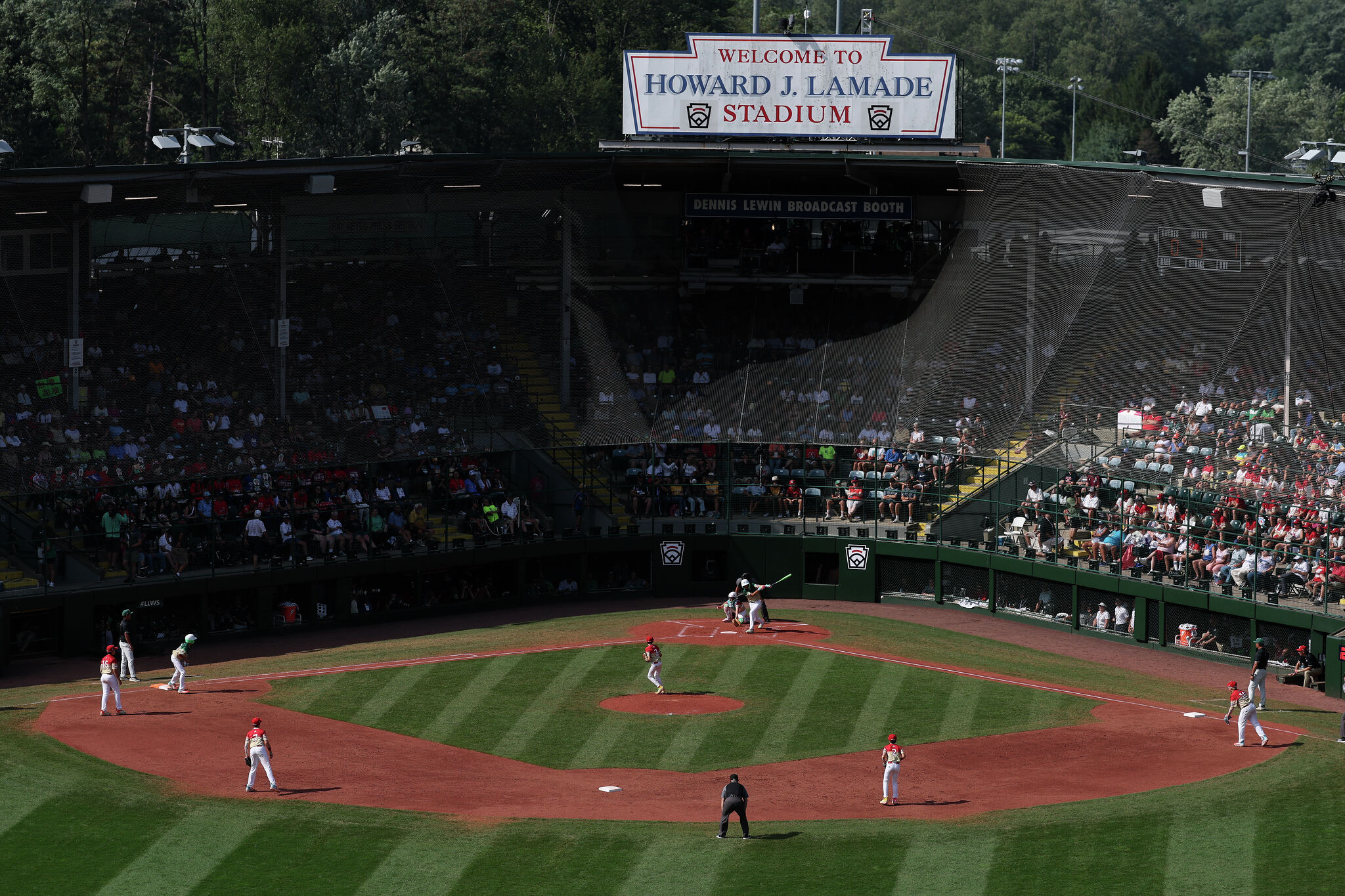
Tulsa’s baseball team got caught in the adults’ mess
Tulsa National’s boys did what kids are supposed to do in August: they took the field and played. Then the grown-ups did what grown-ups too often do in youth sports — they turned a tournament into a courtroom exhibit. Three weeks after Tulsa’s softball team was disqualified from the Southwest Region Tournament, the baseball team got the same ugly treatment. Then came the court order, because apparently even Little League can’t stay out of the legal weeds anymore.
This is the kind of thing that makes people spit coffee across the breakfast table. Not because the rules don’t matter. They do. Little League has always lived and died by eligibility rules, residency rules, boundary rules, the whole messy map of where a kid lives and where a team can claim him or her. That’s the guardrail stuff. Without it, the whole thing turns into a free-agent circus with bats. But when the dispute gets this tangled, this public, and this repetitive, it stops looking like enforcement and starts looking like an organization that can’t get its own house in order.
And the children? They’re stuck in the middle, as usual. That’s the part that ought to make everybody wince.
Little League’s rule book is supposed to protect the game
Little League Baseball and Little League World Series exist on the promise that a kid from Tulsa has the same shot at Howard J. Lamade Stadium as a kid from anywhere else, so long as the paperwork holds up. That’s the bargain. The trouble is, once you start with a disqualification in one tournament and then repeat the same drama a few weeks later, people stop trusting the process.
That trust matters because youth baseball and softball are built on a fragile little pyramid of volunteer coaches, parents, local leagues, and district officials. Nobody’s getting rich here. Nobody’s selling naming rights to the snack shack. So if the system looks arbitrary, or if rules get enforced in a way that feels late, uneven, or sloppy, the damage goes way beyond one bracket. Parents start whispering. Coaches start lawyer-shopping. And every other team in the region starts wondering whether they’re playing under one rulebook or three.
Tulsa’s situation also lands in a year when the Little League spotlight is already bright. The championship stage brings all the charm and all the scrutiny. One bad eligibility fight can stain a whole region’s reputation, and if the same city keeps popping up in disqualification talk, people don’t think “unfortunate.” They think “pattern.”
A second Tulsa booting makes the whole setup look shaky
Here’s the problem: once something happens once, you call it a dispute. Twice, you call it a system failure.
That’s not me being dramatic. That’s just old-beat reality. I’ve seen enough leagues, from sandlots to big-time pro shops, to know this much: if the same kind of mess follows the same program around, the leadership can’t keep pretending it’s a one-off misunderstanding. Somebody didn’t explain the rules clearly enough, or somebody didn’t verify the paperwork aggressively enough, or somebody waited too long to act. Pick your poison. The end result is the same — kids lose games they earned on the field, and adults hand them a lesson nobody wanted them to learn.
The saddest part of a youth-sports scandal is how often the kids are the only ones who didn’t cheat.
There’s a real chance this whole affair becomes remembered less for Tulsa and more for how ugly the process looked. That’s bad for Little League, which sells itself on innocence, fairness, and clean competition. Once a court has to step in, the whole thing looks less like a community tournament and more like a zoning dispute with bats.
What this means for the rest of the bracket and everybody watching
For the other teams in the Little League World Series pipeline — whether in baseball or softball — the message is cold and simple: keep your documents tight and your house in order. No one wants to hear that after the fact, after a trophy run gets shredded over an address issue or a roster technicality. But that’s the world youth sports has built for itself. The stakes have grown, the cameras have grown, the adults’ egos have grown, and the tolerance for sloppy administration ought to shrink.
This also says something bigger about American sports culture. We preach innocence at the youth level, then we turn every age group into a battlefield over access, advantage, and control. It’s the same fever you see in college sports, just with smaller gloves and more peanut butter sandwiches. If you want a clean tournament, you need clean governance. Otherwise, you get what Tulsa got: a team playing ball while somebody else argues over bylaws and courthouse clocks.
If you want a nearby parallel, the noise around College Football Playoff expansion shows how fast a supposedly straightforward competition turns into a power struggle once money, prestige, and control get involved. Different scale, same rotten human instinct. Everybody loves fairness until fairness slows down their path to a trophy.
I’ll tell you what this looks like from the cheap seats: a youth sports system trying to act professional without paying the price of being professional. Real professionalism means early verification, clear appeals, and decisions made before a team gets too deep into the bracket. Not after. Not once parents have booked hotels and kids have started dreaming about stadium lights.
And let’s not kid ourselves — this kind of mess sticks to an organization. The Little League World Series will still draw the eyeballs, because it always does. But every time a legal order gets tossed into the middle of a kids’ tournament, the shine dulls a little. People notice. They remember.
The lesson here is simple, even if the adults made it complicated
Tulsa’s players deserve better than to have their summer turned into a procedural fight. If they were eligible, prove it cleanly and move on. If they weren’t, say so early and don’t let a tournament become a public embarrassment. That’s not too much to ask. It’s the bare minimum.
The next round of this story won’t be about who swings the bats best. It’ll be about whether Little League can enforce its own rules without making a spectacle of the kids who just wanted to play.
More from Straight From The Bench
Comments
Join the conversation — sign in to leave a comment.
Sign in to commentRelated Stories

WNBA politics controversy: the league’s culture war problem
The WNBA’s sudden national spotlight has come with a cost: the conversation keeps drifting from hoops to ideology, conflict, and damage control.

Sophie Cunningham WNBA Transgender Row: Rules, Rights, and Heat
Sophie Cunningham lit the fuse, and now the WNBA is stuck in the middle of a fight it never asked for. The real issue is bigger than one soundbite: the league’s rules, the CBA, and who gets to decide
DiJonai Carrington and Sophie Cunningham: media reaction fallout
DiJonai Carrington’s ejection lit the fuse. The bigger story is how fast the conversation turned into a referendum on race, media, and credibility.