
WNBA politics controversy: the league’s culture war problem
The basketball is getting buried under everything around it.
 Zane Miller5 min read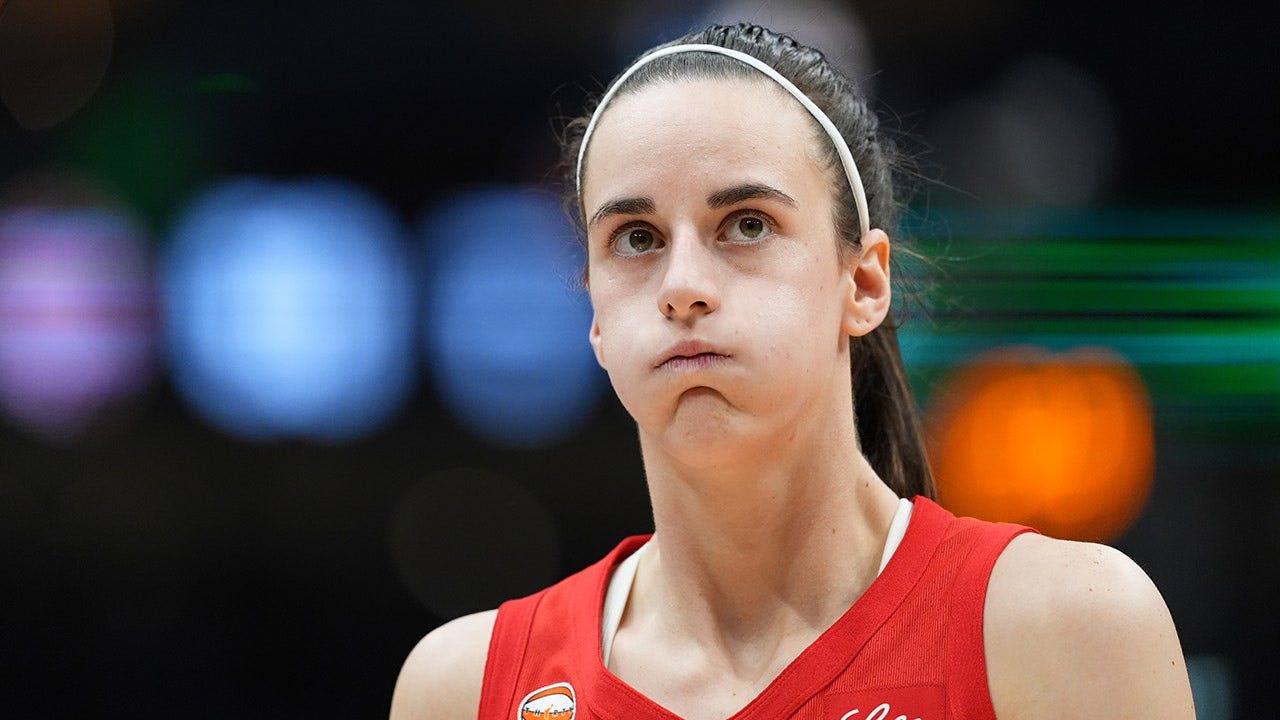
The WNBA didn’t ask for this spotlight — but it’s stuck with it
The WNBA has spent decades fighting for relevance, investment, and respect. Now it’s finally getting the attention it chased, and the irony is brutal: the league is being discussed less for the basketball than for the noise orbiting it.
That’s the tension here. A league that has fought hard to be seen is now being seen through a political lens that keeps swallowing the game whole. Every new flashpoint becomes a referendum on identity, power, and who gets to define the sport. Meanwhile, the product on the floor gets pushed to the side.
This is not just a media problem. It’s a league-economics problem. The WNBA is still working inside a fragile business model, still leaning on growth, visibility, and major-star pull to keep expanding its footprint. When the discussion turns into culture-war theater, the basketball takes the hit.
Caitlin Clark changed the ceiling — and the temperature
A lot of this would look different without Caitlin Clark. She brought mainstream attention in a way the league has never seen from a rookie before. That should have been a clean win. Instead, it exposed every fault line in the ecosystem at once: rival fan bases, old guard vs. new guard resentment, officiating debates, media overreach, and every tired argument people love to drag into women’s sports.
Clark is the gravitational center now. Teams game-plan for her, arenas fill up for her, and the league’s national relevance is tied to her nights. That’s the upside. The downside is that any hard foul, any postgame comment, any social-media pile-on gets inflated into a week-long event.
The WNBA didn’t create that machine. The internet did. But the league is absolutely living inside it now, and every leadership decision looks bigger because of it.
When politics becomes the headline, basketball loses the frame
This is where leagues get sloppy. Once the conversation becomes about messaging instead of competition, the sport starts to feel like a platform instead of a league. Fans can smell that instantly. They know when they’re being sold an agenda instead of a rivalry.
The WNBA is not alone in this. Every major league has learned that social issues, player expression, and cultural debates now live in the same digital lane as game highlights. But the leagues that survive that squeeze are the ones that keep the floor clean. They know the sport has to carry the message, not the other way around.
Right now, the WNBA is not always controlling that balance. It’s too easy for one controversial clip to drown out a 20-point performance or a late-game finish. That’s not sustainable if the league wants to build loyal, repeat viewers instead of just moment-chasing attention.
When the league conversation turns into a political echo chamber, the basketball becomes the casualty.
Sophie Cunningham, the reaction cycle, and the league’s PR headache
The league’s recent turbulence around player commentary and social positions — including the response to Sophie Cunningham and trans-athlete debates — shows how quickly the WNBA can get pulled off the court and into the comment-section abyss. One player’s stance, one heated clip, one amplified reaction, and suddenly the sport is no longer the story.
That is a miserable place for league office types, because it forces a choice they don’t want: respond hard and risk looking reactive, or stay quiet and look weak. Either way, the story grows.
What executives and sponsors are watching isn’t just controversy. It’s volatility. Brands can handle debate. They hate unpredictability. And the WNBA’s current media environment has become a magnet for it.
I’ve been around enough leagues to know this pattern. The sports that grow fastest usually get there because the on-court product becomes too good to ignore. The politics follow, but they don’t dominate. Here, the reverse keeps happening. That’s dangerous.
The league should be enjoying a rising tide moment. Instead, it’s spending too much time trying to explain itself. That’s a sign the foundation is still too thin. You can’t build a durable audience if half your audience is arguing about the league’s values before they’ve even talked about the game.
What this means for the next phase of WNBA growth
This matters because the WNBA is no longer invisible. That’s the good news. The bad news is that visibility without discipline can turn into distortion.
The next phase has to be about restoring the basketball frame. Let the stars star. Let rivalries breathe. Let Indiana Fever-style attention translate into actual league-wide interest instead of just another round of discourse cycles. The best growth path is still the oldest one: compelling games, recognizable faces, and a product people want to watch even when the internet isn’t yelling.
The league doesn’t need to abandon social issues to survive. It does need to stop letting every issue hijack the main event. There’s a difference between having a point of view and becoming trapped by one.
And that’s the real test now. Not whether the WNBA can get attention. It already has that. The test is whether it can keep that attention pointed at the sport long enough to turn moments into a market.
Next month’s headlines will tell you everything. If the basketball starts leading again, the league can breathe. If not, the noise wins again.
More from Straight From The Bench
Comments
Join the conversation — sign in to leave a comment.
Sign in to commentRelated Stories
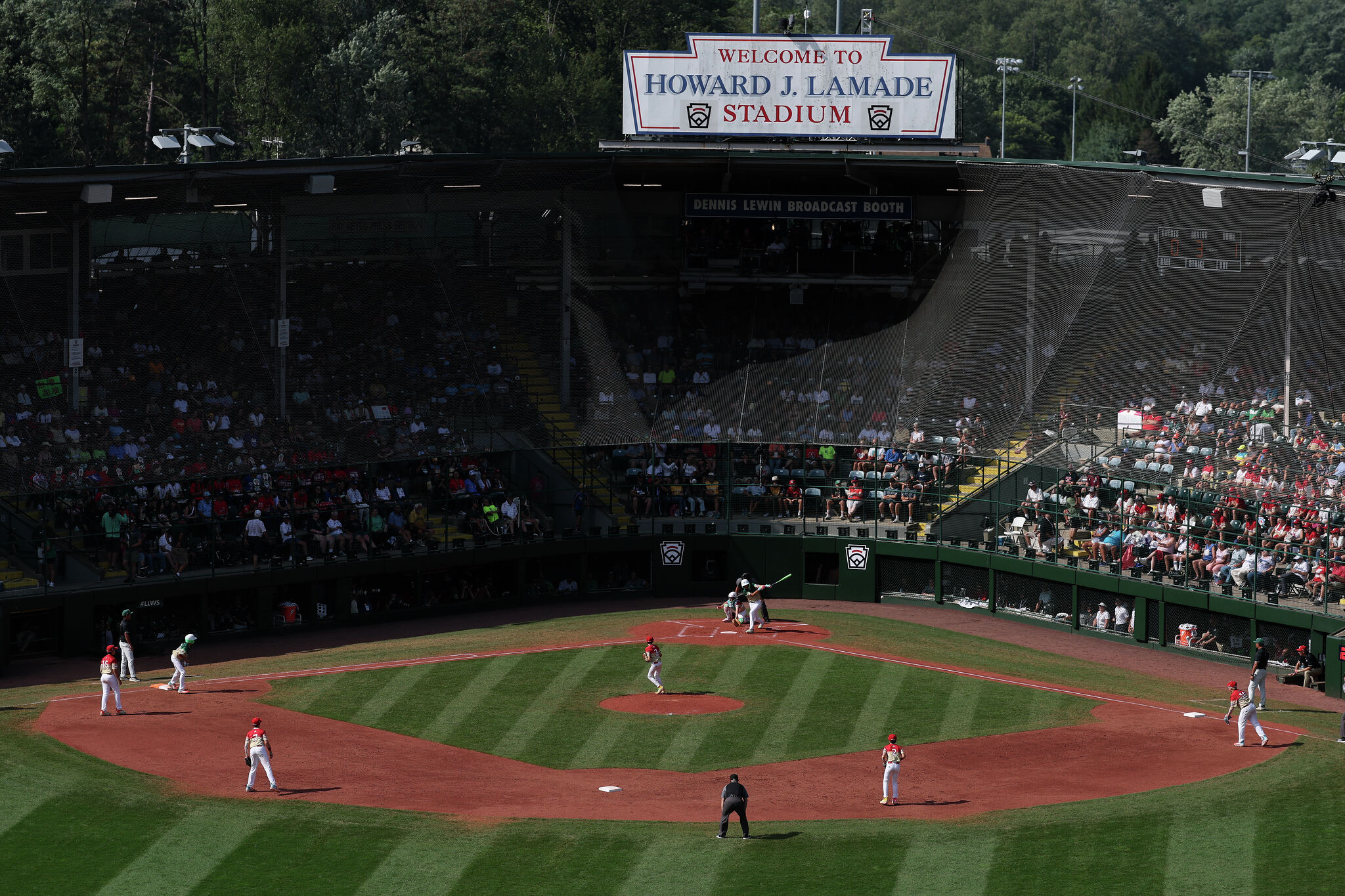
Little League World Series: Tulsa Baseball’s Court Order Mess
Tulsa got bounced from the Little League tournament, then got a court order back into the bracket. That’s not youth sports. That’s adults fighting in khakis.
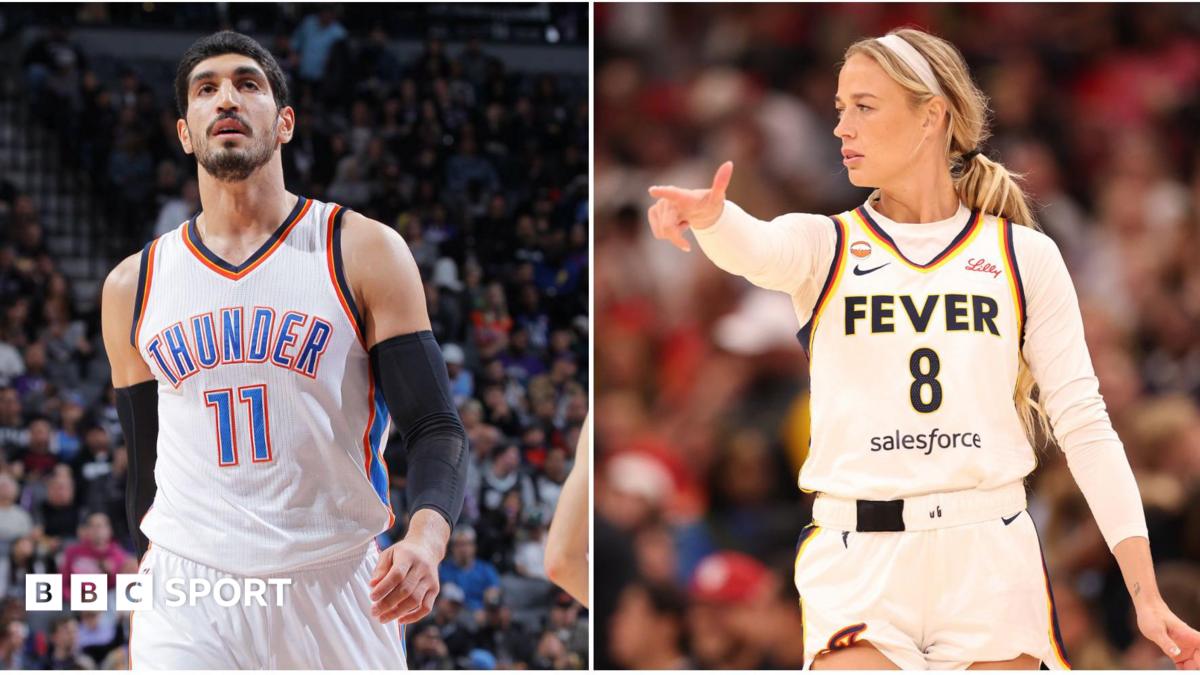
Sophie Cunningham WNBA Transgender Row: Rules, Rights, and Heat
Sophie Cunningham lit the fuse, and now the WNBA is stuck in the middle of a fight it never asked for. The real issue is bigger than one soundbite: the league’s rules, the CBA, and who gets to decide
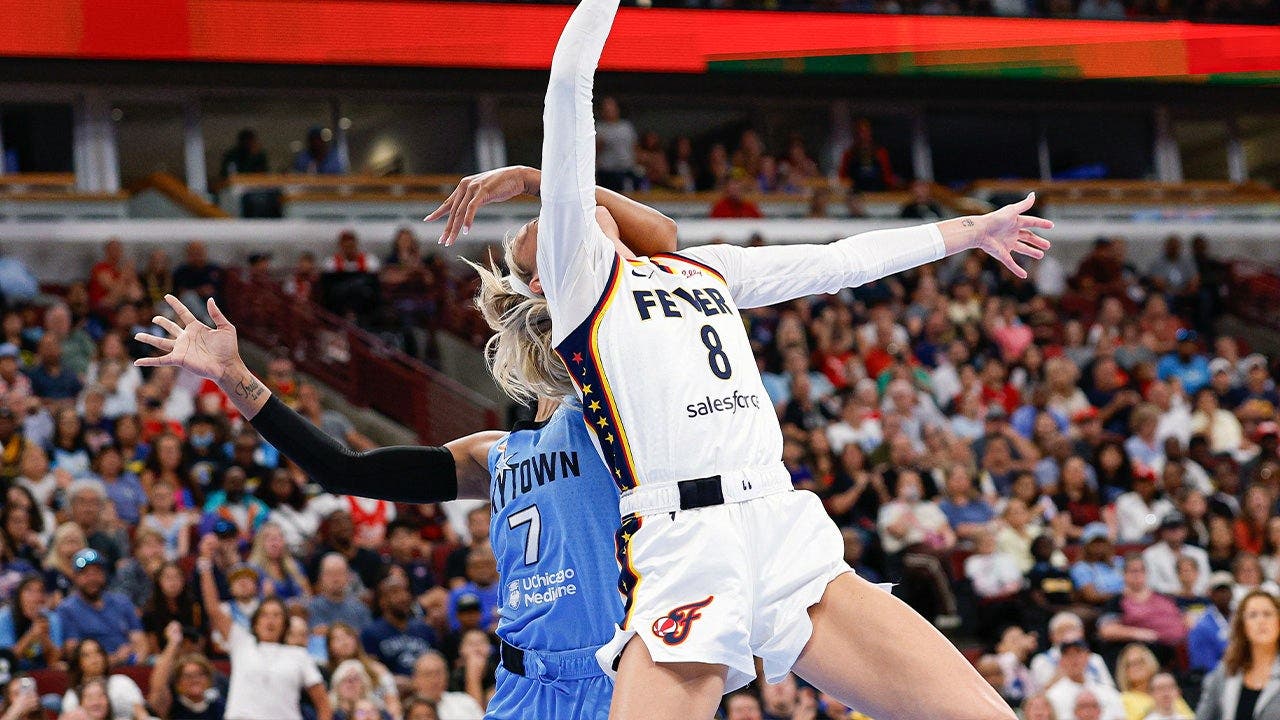
DiJonai Carrington and Sophie Cunningham: media reaction fallout
DiJonai Carrington’s ejection lit the fuse. The bigger story is how fast the conversation turned into a referendum on race, media, and credibility.