
MLB Trade Deadline: 20 players likely changing teams
Nobody’s selling the whole barn. But plenty of front offices are still shopping the furniture.
 Leo Lupo6 min read
A deadline with too many buyers and not enough clean sellers
The calendar is creeping toward Aug. 3 and the market still looks like somebody spilled a drawer full of trade chips across the table. In a normal year, you can spot the sellers early. The clubs buried in the standings wave the white flag, the contenders start poking around for pitching, and everybody plays the same old deadline records.
This year’s mess is different. With an improbable pile of clubs hanging around the race, the usual fire-sale logic has been trampled flat. That means fewer obvious bargains, more backroom jockeying, and a lot of executives pretending they’re “evaluating options” when they’re really staring at the same two or three needs everybody else has: starting pitching, bullpen help, and a bat that doesn’t flinch in the eighth inning.
That’s how you get a list of 20 players who could be wearing different colors before the week is out. Not because every one of them is a star. Some aren’t. But because the market is tight, the pressure is real, and the folks running clubs will do a lot to avoid being the team that sat on its hands while the division got away.
Why 2026 is not a normal seller’s market
The problem starts with the standings. Too many teams are alive, which means too many general managers are trying to thread the needle between buying and punting. That’s a dangerous place to live. Half the league talks itself into being one hot week away from serious contention. Then two bad road trips later, they’re shopping veterans and asking around about prospects.
The result? The middle class of the trade market matters more than usual. We’re not just talking about franchise-changers here. We’re talking about the useful, annoying, can-play-every-day kind of players that contenders love because they don’t embarrass you in October. The kind of guys who hit sixth, play a respectable outfield corner, or give you six decent innings and keep the bullpen from looking like a collapse waiting to happen.
That’s the real story behind the deadline: not blockbuster fantasy, but roster hygiene. Clubs don’t get bonus points for dramatic press releases. They get judged by whether they fixed the soft spots before the soft spots turned into a funeral.
Pitching still runs the room
If there’s one constant at the deadline, it’s this: everybody wants arms. Always has, always will. MLB clubs can talk themselves blue about lineup depth, but when the leverage innings arrive, they all start looking at the same thing — can this guy throw strikes, miss bats, and not blow the doors off under pressure?
That’s why the most likely movers on these lists tend to be pitchers first. Starters with expiring control. Relievers with clean stuff and some degree of sanity. Veterans on bad clubs who can help somebody survive a seven-game series without burning out the whole staff by September.
Teams like the Chicago Cubs, if they’re serious about making noise, know this better than anybody. You can’t fake postseason pitching depth. You can’t wish your way through it. You either add it, or you spend October hearing about how “the process was good” while the other side hands you a shovel.
The bats that move are usually the boring ones
Every deadline has its shiny name, and every deadline has ten ordinary names that end up mattering more. The flash comes with the headlines. The value comes with the player who can handle a big league at-bat without trying to hit a three-run homer every time he sees a heater.
That’s where the position players on these likely-move lists come in. They’re usually not the face of a franchise. They’re the right-handed thumper on a club slipping out of the race. The left-handed hitter with a decent platoon split. The infielder who can cover three spots and won’t make a pitching staff curse its ancestors.
Contenders need those pieces because dead weight gets you buried. One weak bench bat can become the difference between stealing a series in August and grinding through a bad week with four games worth of stranded runners. Front offices know it. Fans usually don’t notice until the player they never thought about is the one who scores the winning run in Game 4.
The rumor mill loves a name; clubs love control
Here’s where a lot of deadline chatter gets goofy. People hear “likely to move” and start dreaming about stars getting dumped in July like clearance-sale lawn chairs. Not so fast. Teams want control. Years of control. Cheap years, if they can get them. That’s why the market so often ends with the smartest clubs grabbing the player nobody on TV spent all morning talking about.
The smart money is on volume. More medium-sized deals than one giant splash. More teams trying to spread risk. More clubs holding their breath and hoping somebody else blinks first. And when the deadline gets crowded, leverage goes to the side that can live with doing nothing. That’s not romantic. It’s just how these things work.
The deadline is where wishful thinking goes to get mugged.
That’s the line every front office should pin to the wall. Because once the market tightens, panic buys happen. A club loses one starter and suddenly overpays for a back-end arm. Another loses three games in four nights and starts acting like a rental catcher is the missing ingredient to immortality. I’ve seen that movie since the wool-jersey days, and the ending never changes: the club with discipline usually sleeps better in November.
What to watch as Aug. 3 gets closer
The pressure points are obvious. If a team falls out of the race over the next week, expect the phones to light up. If the wild-card mess stays crowded, expect a lot of “we’re still evaluating” speeches and some last-minute thievery. Either way, the clubs with the best farm depth get first crack at the useful stuff.
And don’t ignore the domino effect. One trade can open the door for four more. A starter moves, and the next team decides its own starter is suddenly available. A bullpen arm goes, and now everybody’s relievers become a little more expensive. That’s the rhythm of it. Nothing happens for a while, then everything happens in two hours.
For a deeper look at how buyers are already circling the market, our Cubs pitching targets and slugging shortstop buzz story lays out the kind of pieces contenders are chasing. And if you want to see how a club can misread a roster situation and make noise for all the wrong reasons, the Dodgers White House visit piece is a reminder that championships don’t pause the politics or the personalities.
I’ll say this straight: the teams that come out of this deadline looking smartest won’t be the ones that made the loudest splash. They’ll be the clubs that got the right player for the right cost and didn’t confuse activity with competence. That’s the whole trick. Harder than it sounds, easier than people admit.
Keep your eye on the pitchers, the versatile bats, and the teams that suddenly start sounding too calm. That’s usually when something’s brewing.
More from Straight From The Bench
Comments
Join the conversation — sign in to leave a comment.
Sign in to commentRelated Stories

Yankees vs Phillies: Cam Schlittler’s 12-K Gem Steadies the Bronx
Cam Schlittler overpowered the Phillies with a dozen strikeouts, and the Yankees escaped with a taut, necessary win. It was the sort of outing that makes a rotation feel less like a problem and more l
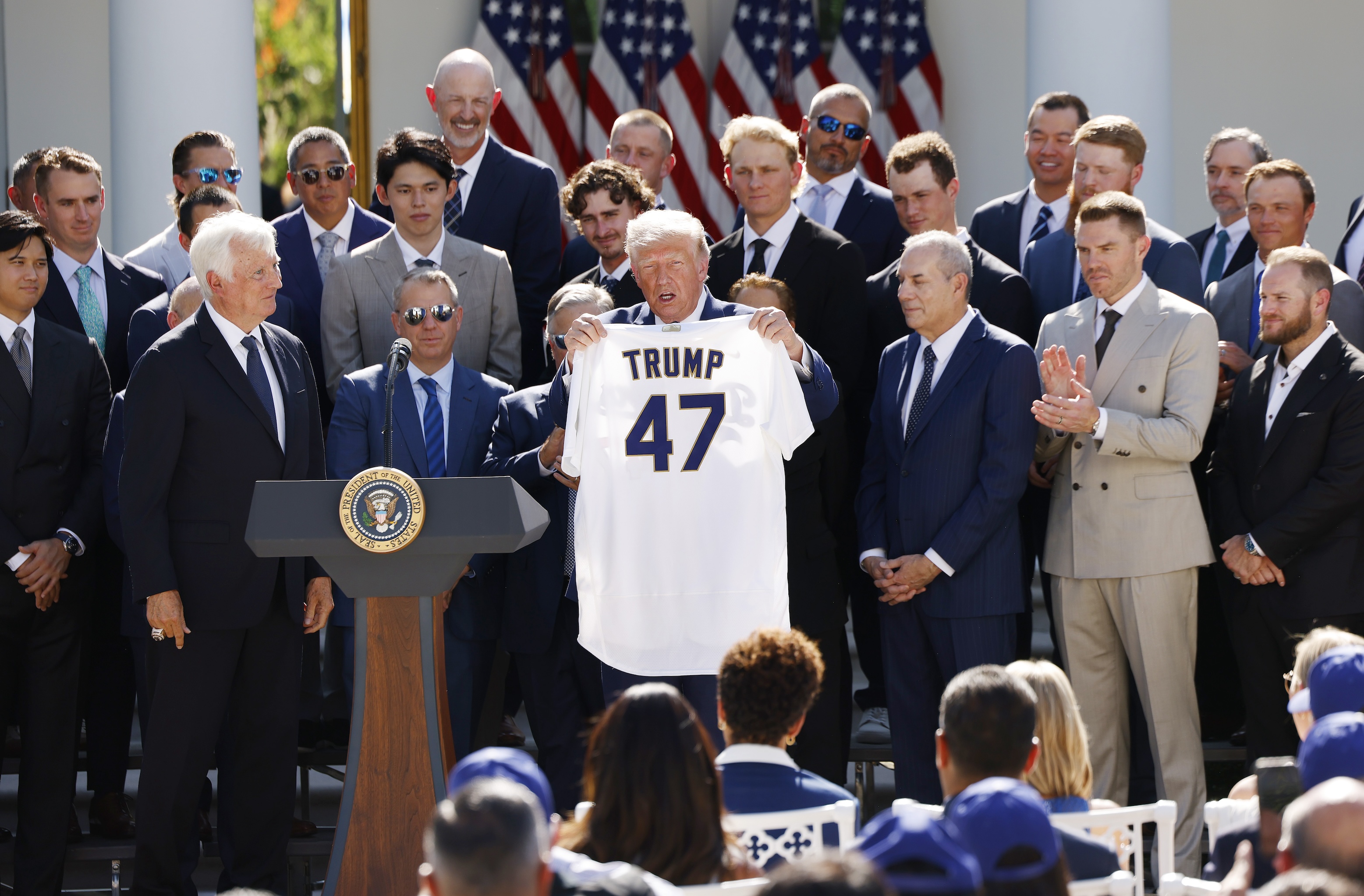
Dodgers at the White House: Trump’s Grandstanding, MLB’s Optics
The Dodgers’ White House stop was never going to be just baseball. It was politics, optics and the same old Trump show rolled into one tight frame.

Ronald Acuña Jr. Injury Update: Braves Still Waiting on Return
Acuña is still out, Jorge Mateo gets a strange little cameo, and Atlanta keeps playing the waiting game. That’s baseball, with the clock stuck in mud.