
2026 MLB Draft Biggest Steals: One Pick From Each Round
The draft is over. Now the real argument begins.
 Beatrice Kensington6 min read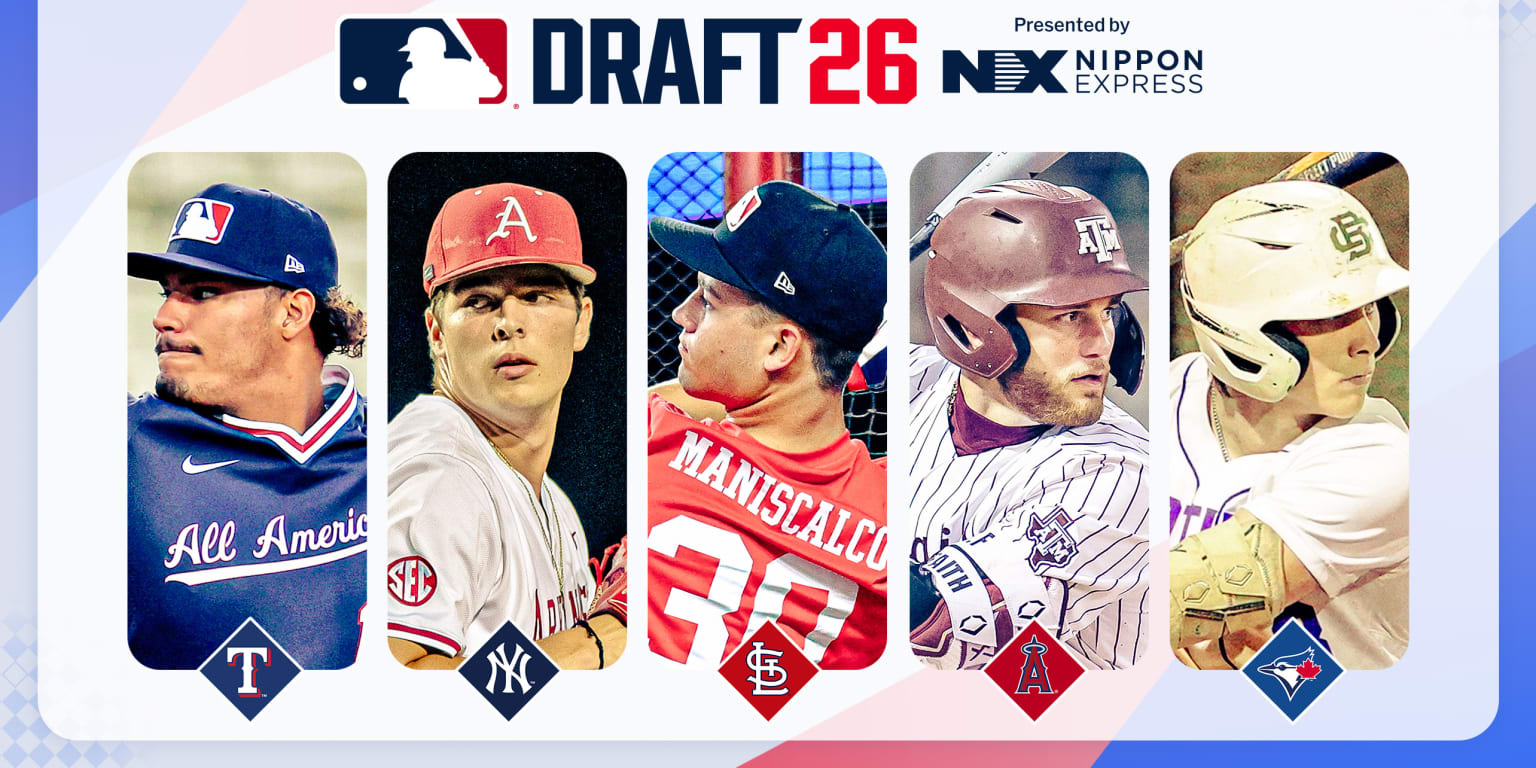
The draft ends with a clean ledger and a dirty argument. One club calls a name, another feels it has found a future middle-order bat or a rotation piece for pennies on the dollar, and somewhere in the middle of all that noise lives the truth baseball people chase all summer: value is rarely obvious on the night itself. The 2026 MLB Draft, spread across 20 rounds and 613 picks, left behind the usual fog of optimism, regret, and spreadsheet worship. What follows is the part that matters most to front offices and, eventually, to the standing of whole organizations — the picks that looked merely fine when they were announced and may, in time, look like theft.
The draft’s best bargains are usually hiding in plain sight
Scouting directors like to say the draft is about ceiling. They say it because ceiling sells. It sounds daring, ambitious, and almost noble. But the clubs that survive the long season — and the longer years — are the ones that know how to spot a player whose floor is sturdier than the industry thinks. A “steal” is rarely the loudest athlete in the room. It is the hitter with a disciplined approach and a body that projects better than the public realizes, or the pitcher whose fastball plays up because of deception, shape, or courage.
That is the quiet lesson buried beneath every post-draft list: the first-round darling gets the camera, while the second-day catcher who can actually handle a staff becomes a manager’s best friend. The market misses these players because baseball’s talent economy is built on delayed gratification. A teenager in July is a theory. A big leaguer in three years is an answer.
The best draft pick is often the one nobody wants to celebrate too quickly.
The early rounds carry the glamour, but the middle rounds carry the survival instinct. That is where clubs mine for the player who slipped because he lacked a radar-gun number, or because he played in the wrong geography, or because his tools arrived in a package scouts found inconvenient. Those are not trivial reasons. They are the draft’s old biases, repackaged every year.
Why the first ten rounds matter more than the headlines admit
The first ten rounds are where organizations can still dream in specifics. Not just “best athlete available,” but “this guy could be our everyday shortstop” or “this one might hold a rotation spot by age 24.” Once the board gets into the double-digit rounds, the conversation changes. Clubs begin drafting for leverage, for rawness, for signability, for the long odds that sometimes create a minor miracle. But the earlier rounds, even the non-headliners, are the zone where a front office can turn conviction into surplus value.
That is why the idea of a “steal” is so seductive. If a player falls because evaluators overreact to one flaw — a swing path, a frame, a delivery, a so-called lack of projection — then the club willing to see the whole person can profit enormously. The history of the draft is built on these small acts of audacity. A team believes its development staff can polish a rough edge, and three summers later everybody else is asking how the player escaped.
There is a larger cultural lesson here too. Fans want the draft to feel like a revelation, a set of instant truths delivered in numbered caps and team colors. But the actual work is far less glamorous and far more human. It is patient, uncertain, and often emotional in ways the public never sees. A scout in a back field sees something in a teenager’s hands. A player’s family hears their town’s name on the broadcast and thinks of rent, gasoline, and the first glove. The pick is just the beginning of the story.
The clubs that win these debates are usually the ones with conviction
The organizations that consistently unearth value are not always the ones with the highest bonus pools or the flashiest draft-night graphics. They are the ones that know who they are. Some clubs lean into data and swing decisions. Others trust their area scouts to identify feel, competitiveness, or an arm action that a machine cannot fully explain. The best run front offices marry both impulses and resist the temptation to make every player fit one laboratory model.
That balance is where the real edge lives. A team that can identify a pitcher with advanced command before the market catches up can save millions. A team that can see a hitter’s bat-to-ball skill and ignore the panic around his lack of physical projection can land an everyday player in the fourth round. A team that can live with risk in the right place may be rewarded with a star no one wanted to stamp as such too early.
I keep thinking, too, about how much this draft economy resembles the way clubs have come to treat the trade market, which we have been hearing about all month in the buildup to the deadline. Our own trade-deadline preview discussion underscored how ruthlessly executives now value control, age, and fit. The draft is simply the first stage of that same pursuit. A player is either an asset with room to grow, or an expensive lesson.
Beatrice Kensington on what “steal” really means
I have never loved the way baseball pretends its bargains arrive by accident. They do not. A draft steal is often the product of a front office willing to make an unpopular bet and stand in the rain while the rest of the league points and laughs. That takes nerve, but it also takes humility — the willingness to admit that the consensus is not always wisdom, only repetition.
The best drafts I have covered over the years have had a common trait: they looked smarter a year later than they did on television that night. That is because true value in baseball is rarely theatrical. It reveals itself in innings, in plate discipline, in the way a player adjusts after failure. The 2026 class will follow that same arc. A few names will sprint into relevance. Others will take the scenic route. The clubs that found the best steals will not be the loudest winners in July. They will be the ones still cashing the checks in August, and then in September, and then in the years that follow.
What to watch as the class starts to breathe
The next phase is not glamorous, but it is decisive. Which players sign quickly. Which ones get meaningful development plans. Which clubs have the patience to let a raw arm become a real arm, or a skinny shortstop become a grown man with leverage and bat speed. The 2026 Draft is no longer a list. It is a project.
And projects have consequences. A successful draft can patch a thin farm system, soften the blow of a winter trade, or even change how aggressively a club behaves at the deadline two seasons from now. A miss can linger for years, quietly costing wins in ways no one notices until the payroll has grown expensive and the roster has thinned. That is the hidden tax of draft day.
So keep the names close. The rankings will shift. The arguments will harden. The real answer will arrive slowly, one at-bat and one outing at a time, until a few of these so-called bargains are no longer bargains at all — just big leaguers wearing the memory of being overlooked.
More from Straight From The Bench
Comments
Join the conversation — sign in to leave a comment.
Sign in to commentRelated Stories

MLB Trade Deadline: All-Stars Weigh In on the Coming Frenzy
At Citizens Bank Park, the All-Star glow couldn’t hide the real business of baseball: the deadline, and the pressure it puts on every contender and seller.
MLB All-Star Game Results: AL Shuts Out NL in Pitching Clinic
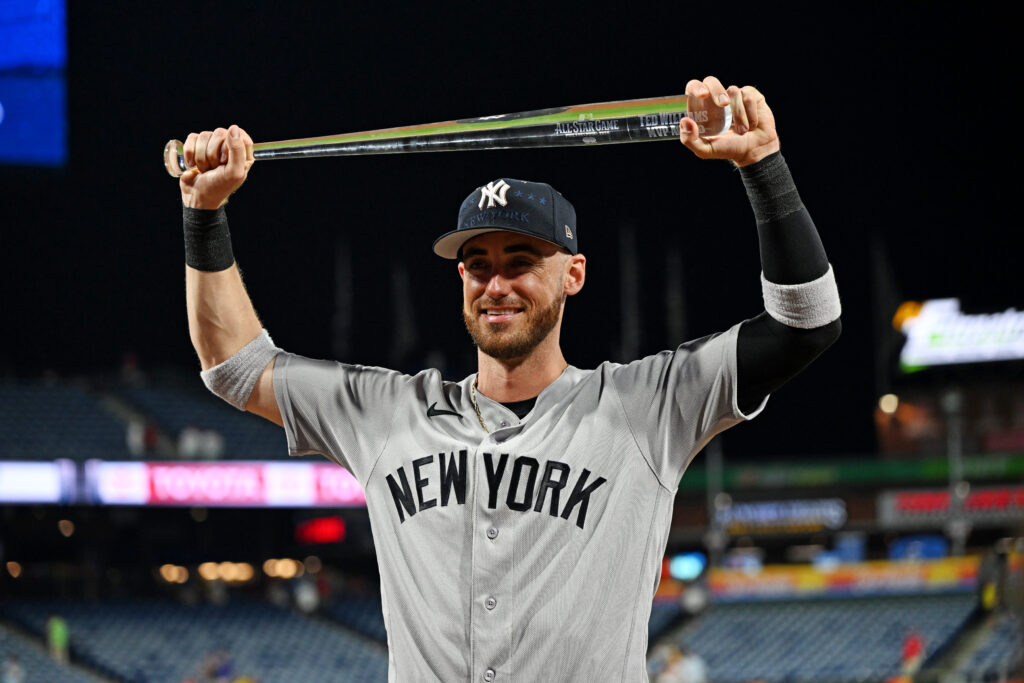
The American League blanked the National League in a tidy All-Star beatdown, with Cody Bellinger taking MVP honors and Justin Wrobleski making a little history.
NBA Summer League Rookie Class: 2026 Grades and Early Standouts
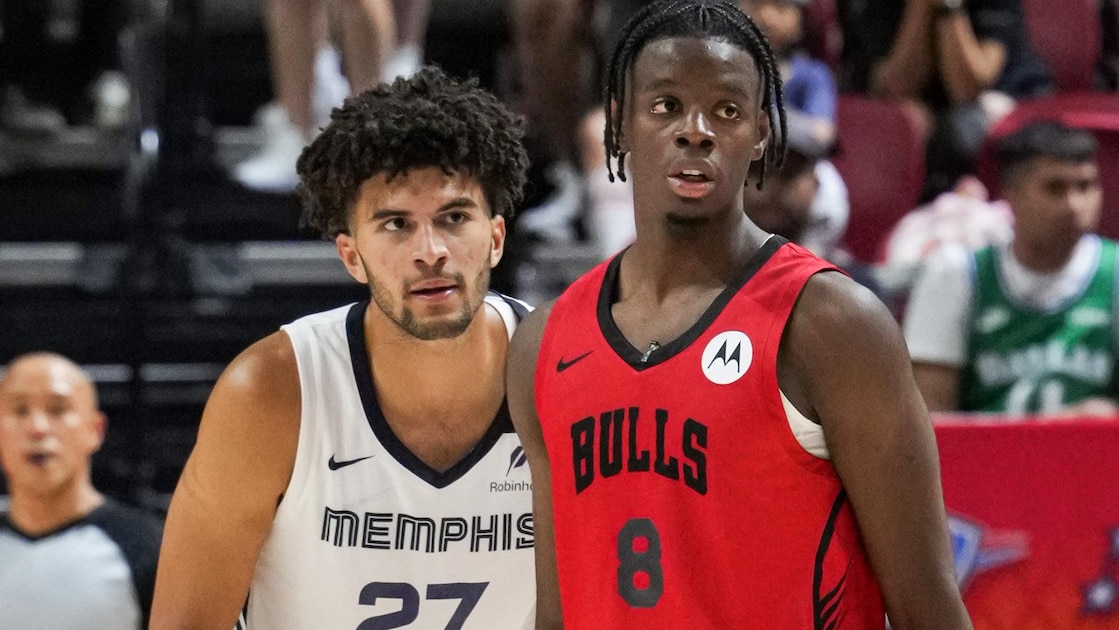
The 2026 rookie class has brought real juice to Summer League, with instant impact from some names and early trouble for others. The draft rankings are already getting a rough review.