
MLB Trade Deadline: All-Stars Weigh In on the Coming Frenzy
In a midsummer ballpark, the league’s loudest silence belongs to the front offices.
 Beatrice Kensington5 min read
PHILADELPHIA — The All-Star Game is baseball’s polished mirror, the annual tableau where the sport pauses long enough to admire its own best features. But even under the bright July lights at Citizens Bank Park, the conversation kept drifting toward the edge of the calendar, toward the Aug. 3 Trade Deadline and the hard arithmetic that waits for every club with hope or shame in equal measure.
That is the gravity of this season’s midsummer week. The stars were there for the ceremony, for the bunting and the batting practice and the easy smiles. The adults in the room were thinking about leverage, payroll, prospect capital and the way one deadline decision can alter a franchise’s temperature for years. Baseball has always sold romance and insisted on math. In late July, the math usually wins.
The deadline is where ambition meets a ledger
The trade deadline is not merely a date on the calendar. It is a judgment day, or close enough for a sport that likes to pretend its future is always arriving in small, discreet packages. Teams at the top are forced to answer the same question in different dialects: are we good enough to justify the cost of becoming great?
That is where the tension lives. A contender can look solid on paper and still have one glaring weakness — a bullpen arm who can’t be trusted in October, a bat that goes cold against right-handed pitching, a rotation that thins the moment the weather turns. Front offices do not buy certainty at the deadline. They buy probability. Sometimes they buy fear.
The All-Star gathering in Philadelphia only sharpened that truth. Players know the dance. Some are being watched by club executives whose smiles are easier to read than their phone logs. Others are hearing the quiet part out loud through agents and whispers: your team may be selling, and your name has gone from roster piece to market asset.
Stars talk; front offices listen to the market
Among the game’s brightest names, the talk around deadlines always carries a certain double meaning. Players talk about winning, naturally, because that is what they are paid to say and, often enough, what they genuinely want. But executives hear the subtext. A veteran on a non-contender can become the bridge to a playoff run. A rental can become a postseason insurance policy. A prospect-laden club can decide patience is a virtue, then decide again that October is worth the future’s price.
That is why this stretch matters so much for teams hovering between contention and retreat. The deadline punishes indecision. The clubs that enter July with a foot on either side of the threshold tend to pay for their hesitation later, usually with a thinner farm system and a mediocre finish.
Baseball has lived through enough deadlines to know the pattern. The Chicago Cubs of 2016 did not become champions because they stood still. The New York Yankees have built entire eras on midseason conviction. The MLB deadline rewards the teams that can distinguish between sentiment and value, between the player they like and the player they need.
And then there are the sellers, who often carry the heavier emotional burden. To trade away a veteran from a losing club is to admit something that the clubhouse already knows but fans resist hearing: the season has narrowed. The future is the argument now.
The deadline does not expose a front office’s courage. It exposes its honesty.
Philadelphia gives the sport a fitting stage
There was something apt about this conversation happening at Citizens Bank Park, a place that understands noise and consequence. Philadelphia has never been a city that mistakes caution for wisdom. It rewards teams that move with purpose and punishes those that drift. The All-Star showcase, with its pageantry and its temporary peace, sat beside the harder business of roster construction like a tuxedo hung beside a work jacket.
That contrast is part of baseball’s strange beauty. For one week, the sport invites us to celebrate individual brilliance. Then, almost before the confetti has settled, it reminds us that no roster is truly personal. Every player is an answer to a problem, a variable in a larger equation. Even the stars can be discussed in the language of fit.
I have always thought the trade deadline reveals the sport’s most honest emotional register. Not the joy of the pennant race, which is public and exuberant, but the quieter fear that drives it: the fear of wasting a good season, the fear of overcommitting to a flawed one, the fear of looking back in October and discovering that the opportunity was there all along, resting on the table while the room argued about price.
That is why these All-Star weeks can feel almost cruel. The game’s best players gather under one roof, and every executive in earshot starts calculating how to get three more outs, one more run, two better months. Baseball is a game of patience until suddenly it isn’t.
What to watch as Aug. 3 gets closer
The next few days will be about clarity more than noise. Who believes enough to spend? Who is willing to accept that selling now may hurt less than pretending? The true deadline market usually starts with the clubs that can least afford to wait — the teams short a starting arm, the contenders whose lineup looks one injury away from collapse, the sellers who know their veterans still carry value in a thin market.
Keep an eye on how aggressively teams treat versatility. A player who can cover multiple spots is worth more in July than in April because every contender is hunting for flexibility without admitting it. Watch also for the clubs that try to split the difference, the ones that call themselves competitive while behaving like cautious bystanders. Those are often the teams remembered in November for having bought too little and sold too slowly.
The deadline is rarely kind to the middle. It prefers conviction. It rewards the clubs that know exactly what their season is, even when the answer is uncomfortable.
The final week before Aug. 3 will tell us more about baseball’s hierarchy than a hundred postgame quotes ever could. The stars have had their shine. Now the front offices step into the light.
More from Straight From The Bench
Comments
Join the conversation — sign in to leave a comment.
Sign in to commentRelated Stories
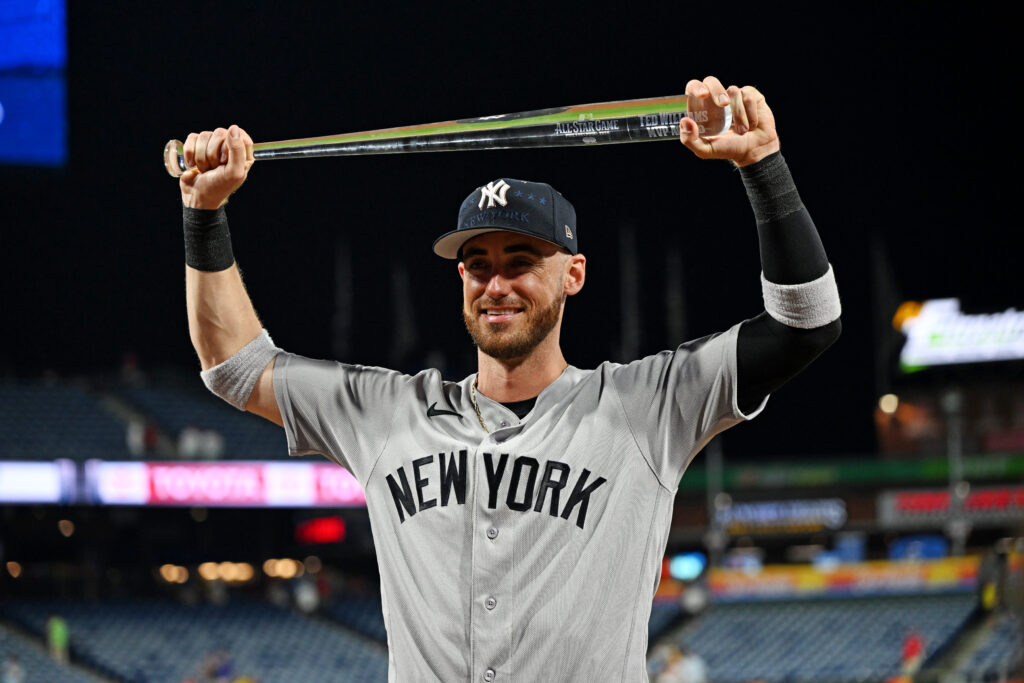
MLB All-Star Game Results: AL Shuts Out NL in Pitching Clinic
The American League blanked the National League in a tidy All-Star beatdown, with Cody Bellinger taking MVP honors and Justin Wrobleski making a little history.

Steve Yzerman Red Wings GM Exit: Detroit Begins Search
Steve Yzerman is out as Red Wings GM, and Detroit’s next move will say everything about patience, pressure, and the rebuild timeline.
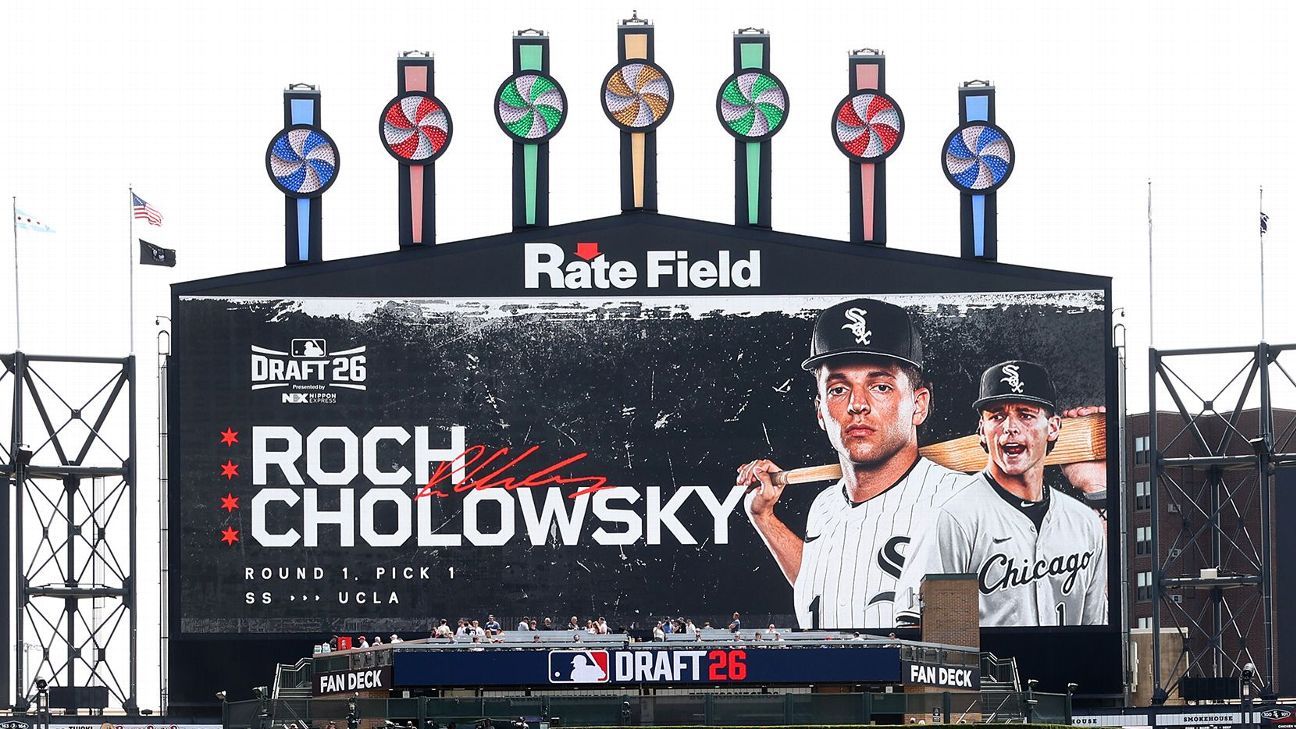
White Sox No. 1 MLB Draft Pick: Cholowsky Gets the Call
The White Sox spent the final hours debating Roch Cholowsky and Grady Emerson before settling on Cholowsky at No. 1. That choice says plenty about where this rebuild stands.