
White Sox No. 1 MLB Draft Pick: Cholowsky Gets the Call
Chicago took its time, then picked the college bat that fit the room.
 Leo Lupo5 min read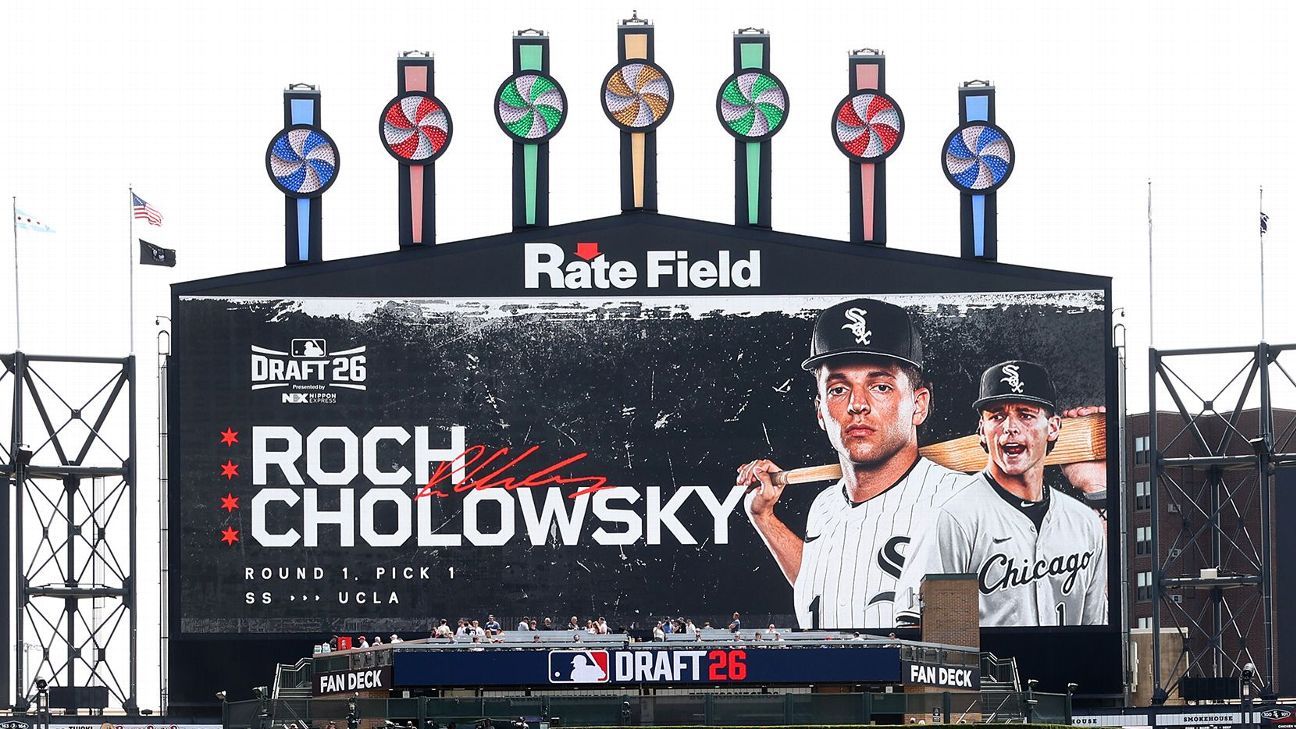
The White Sox didn’t panic, and that matters
Twenty hours before the first pick was finally theirs, the Chicago White Sox were still kicking the tires. That’s how it goes when you’re holding the top slot in the MLB draft: everybody in the room suddenly thinks they’re a scout, a psychologist, and a fortune teller. The names on the board were Roch Cholowsky and Grady Emerson, and the club spent the last stretch of the clock weighing which kind of future they wanted to buy.
They landed on Cholowsky. A college bat at No. 1 is hardly a revolutionary idea. It’s the safe road, the grown-man road, the one clubs take when they’ve seen enough busted high school projections to know a prettier ceiling can turn into a longer wait and a shorter payoff. Chicago has been living with too much wait and not enough payoff for years. So no, this was not the sort of pick that sends the ticker tape flying. It was the sort of pick front offices make when they’re trying to stop bleeding first and dream later.
Cholowsky over Emerson: a choice about risk
This wasn’t just a talent question. It was a timeline question.
Cholowsky and Emerson represent two different flavors of promise. One says help is closer. The other says maybe better help, but later, and with a few more land mines along the way. A club like the White Sox, sitting where they’ve sat for too long, can talk about upside until the paint peels. But eventually somebody has to answer the simpler question: who gives us the best chance to be respectable sooner?
That’s the unglamorous part of rebuilding nobody wants to put on a billboard. Fans want the splash. They want the polished kid who looks like he was built in a lab and arrived with his own theme music. Front offices, when they’re sober, remember that drafts are supposed to reduce embarrassment before they create legend. Taking Cholowsky sounds like a team trying to lower the floor before it chases the roof.
Chicago’s history is full of these moments where the organization had to pick between patience and panic, between a prospect’s ceiling and the roster’s actual temperature. The clever pick is the one that looks smart in five years. The responsible pick is the one that stops the monthly leak.
The White Sox didn’t need a lottery ticket with glitter on it. They needed a bat that could show up on time.
What this says about Chicago’s rebuild
The White Sox have been through enough false dawns to know better than to sell hope like it’s corn dogs on the concourse. Drafting first is supposed to feel like a gift. Most of the time, it’s a receipt for your own mistakes. If you’re at the top because the season cratered, you don’t get to act like you’re shopping from the luxury rack.
That’s why this pick matters beyond the player himself. It signals a front office that at least appears to understand the stage of the rebuild. Not the glossy version. The real one. The kind that starts with competent talent, patient development, and fewer grand speeches from people who haven’t earned the right to make them.
If you want a clean parallel, think about how teams in other sports use high picks when they’re trying to reset the tone. We saw a version of that in the NBA Summer League rookie class chatter, where every organization tries to convince itself it found the one piece that changes the room. Most of those promises are too loud. The smart ones are quieter. They just show up and work.
Chicago’s front office also had to know the optics here. Take the wrong kind of swing at No. 1, and you spend three years explaining why the “project” still projects. Take the college hitter, and the argument becomes simpler. Maybe less sexy. Maybe less sellable to the dream merchants. But simpler.
What fans should watch next
The pick itself is only the start. The real test is the follow-through, because the White Sox have not exactly earned blind trust on talent development. A top pick can be the first brick in a real foundation, or it can be another shiny thing sitting in a pile of unfinished business. Chicago needs to prove it can turn a first-round name into a major league player without dragging him through a machine that chews confidence for sport.
That means the development plan matters as much as the draft room debate. It means the instruction, the patience, the honesty, the whole unflashy infrastructure that turns “best available” into “best player.” Clubs love to pretend the draft is an event. It’s really a maintenance job.
And make no mistake, this pick will be judged fast. White Sox fans have been patient in the way only beaten-down fans can be patient: with skepticism, side-eye, and a pretty short fuse. They’ve heard the speeches. They’ve watched the timelines. They’ve seen enough “next waves” wash up with little to show for it. Cholowsky won’t be asked to save the franchise by July. But he will be asked to look like somebody worth waiting for.
I’ve covered enough of these drafts to know a club can talk itself into almost anything at the top. I’ve also seen the opposite: a front office taking the cleaner baseball answer and getting mocked for not being bold enough, only to have the mockery dry up once the kid starts raking in Double-A. That’s the trade. Noise now, maybe substance later. The White Sox, for once, seem to have chosen substance over theater.
And for this outfit, that’s not a bad place to start.
The clock starts now. The speeches are over. The real work — the boring, dirty, necessary work — begins with the next bus out of town.
More from Straight From The Bench
Comments
Join the conversation — sign in to leave a comment.
Sign in to commentRelated Stories
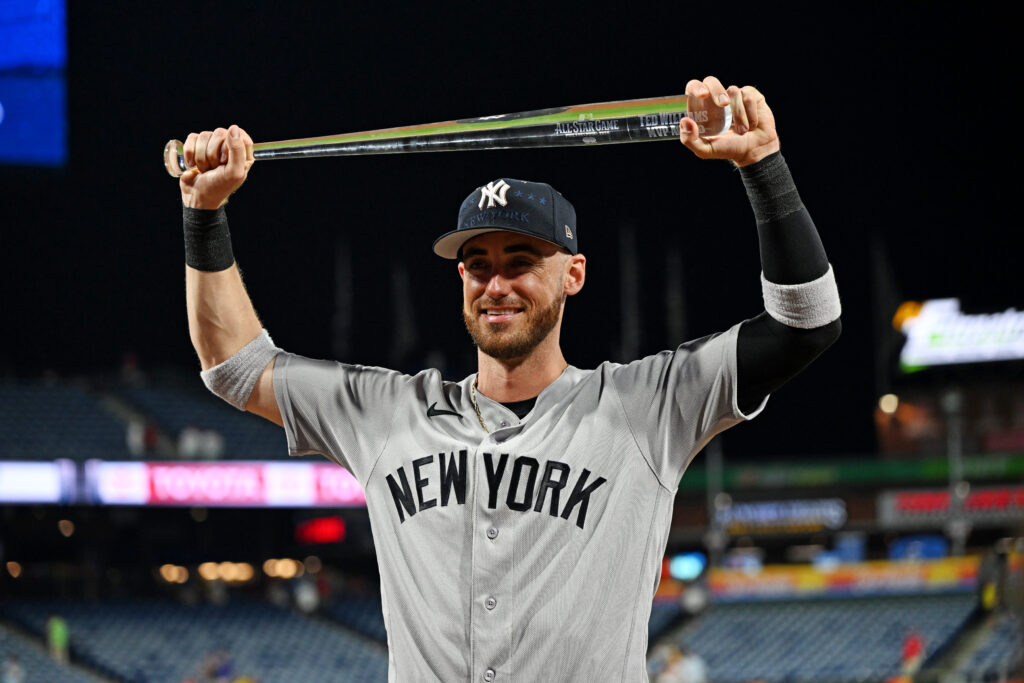
MLB All-Star Game Results: AL Shuts Out NL in Pitching Clinic
The American League blanked the National League in a tidy All-Star beatdown, with Cody Bellinger taking MVP honors and Justin Wrobleski making a little history.

Patti LaBelle National Anthem: Phillies All-Star Game backlash
Patti LaBelle’s anthem at the 2026 MLB All-Star Game drew swift backlash in Philadelphia. The moment said as much about public expectation as it did about performance.
MLB All-Star Game results: AL shuts out NL in pitching clinic
The American League blanked the National League 4-0 behind Dylan Cease and a parade of arms. In a sport built on power, pitching just stole the night.