
2026 Pan Pacific Championships Day 4 Prelims: 200 IM, 50 Free, 200 Breast
The morning heats are where the pressure starts showing up.
 Zane Miller5 min read
Day 4 prelims at the 2026 Pan Pacific Championships are the kind of session that can look routine if you’re only checking the clock late. Don’t. This is the morning where the brackets start tightening, the margins start disappearing, and the swimmers who can handle the pressure of getting through cleanly separate themselves from the ones forced to chase later.
The slate is a sharp one: the 200 IM, 50 free, and 200 breast sit at the center of the session, with the slower and early heats of the women’s 800 free and men’s 1500 free adding the endurance layer. That mix changes the tone immediately. You’ve got explosive specialists, medley grinders, and distance swimmers all sharing the same deck, which is exactly how a major championship morning should feel.
The 200 IM always tells on you
The 200 individual medley is the cleanest stress test in swimming. It punishes weak transitions and bad pacing without apology. Fly too hard and the back half leaks. Go conservative and you’re out of the fast lane conversation before the night session even starts.
That’s why this event matters so much in a prelims session like this one. The swimmers who advance aren’t just fast; they’re composed. Coaches love this race because it exposes the full toolbox. Turns, underwaters, stroke efficiency, race awareness — all of it matters. There’s nowhere to hide.
And in a meet with a premium on stacking up points and medals, the 200 IM is one of those events that can quietly shift the entire team table. One clean morning swim can save energy for the final. One ragged one can turn the whole day into damage control.
The 50 free: pure chaos, very little margin
If the 200 IM is a test, the 50 freestyle is a mugging. Start reaction, breakout, one breath if you’re brave, and then you’re already at the wall. There’s no room for hesitation, and there’s no real place to make up a mistake.
That’s what makes this event so brutal in prelims. The field is usually crowded, the pace is separated by tenths, and everybody knows the same truth: a slow start in the 50 free can knock out a contender before the session even settles in. The athletes who survive this round usually do it by being sharper than the rest off the blocks, not just stronger in the pool.
This is also where reputation matters less than timing. A big name with a flat start is in danger. A less-heralded swimmer who nails the first 15 meters can blow up the seeding sheet in a hurry. It’s the purest form of swimming volatility, and that’s why it gets the deck buzzing early.
The 50 free doesn’t care who you are. It only cares who got out fastest.
Breaststroke depth keeps deciding medals before finals night
The 200 breaststroke is the quiet killer on a championship schedule. It doesn’t have the instant flash of the sprint, but it can be just as unforgiving. Rhythm matters. Patience matters. So does knowing exactly how much you can spend before the final 50 turns into survival mode.
This race tends to reward the athletes who manage tempo best through the first half and still have enough snap left to finish. In a prelims setting, that means there’s always a tactical layer under the surface. Go too hard and the lactate debt shows up fast. Go too soft and you’re looking at a bad seed and a tougher lane path later.
For coaches, this is one of the most useful events on the board because it reveals whether a swimmer can execute a controlled race plan under championship conditions. For the athlete, it’s about trust. Trust the stroke. Trust the split plan. Trust that the field will come back to you if the race has more in the tank than the first 100 suggests.
The distance heats still matter, even if they don’t get the same noise
The early heats of the women’s 800 free and men’s 1500 free bring a different kind of pressure. No one is treating those races like a coin flip from the blocks. They’re about rhythm, lane control, and the patience to race the clock instead of the swimmer next to you.
That’s where meets like Pan Pacs get interesting. The distance events don’t always dominate the headline conversation, but they’re central to the medal table and central to the identity of the meet. They also tell you a lot about program depth. If a nation can stack swimmers in the 800 and 1500 who can hold pace through early heats without burning themselves out, that’s a sign the pipeline is healthy.
For anyone tracking the broader championship picture, keep an eye on how these swimmers handle the morning. If they’re efficient here, it usually means the coaching staff has the taper in a good place. If they’re already grinding in prelims, that’s when the meet starts taking energy out of the whole roster.
What I’m watching next
I’ve covered enough championship meets to know this: the morning session doesn’t usually decide the headlines, but it absolutely shapes them. The swimmers who conserve just enough while still advancing cleanly are the ones who tend to own the evening. The ones who have to overwork a prelim because they missed their best turn or got caught in the wrong heat? They pay for it later.
And that’s the real subtext of Day 4. Not just who gets through, but how they get through. In a meet like this, efficiency is currency. Coaches notice. Opponents notice. So do the athletes who are trying to time their peak for the final session.
I’ll say this plainly: the best championship swimmers don’t merely survive mornings like this — they make them look boring. That’s the skill. It’s not flashy, but it wins meets.
There’s still plenty of racing left today, and the finals won’t care who looked comfortable at breakfast. But if you’re looking for the first real clues about who’s ready to cash in, they’re already swimming this morning.
More from Straight From The Bench
Comments
Join the conversation — sign in to leave a comment.
Sign in to commentRelated Stories
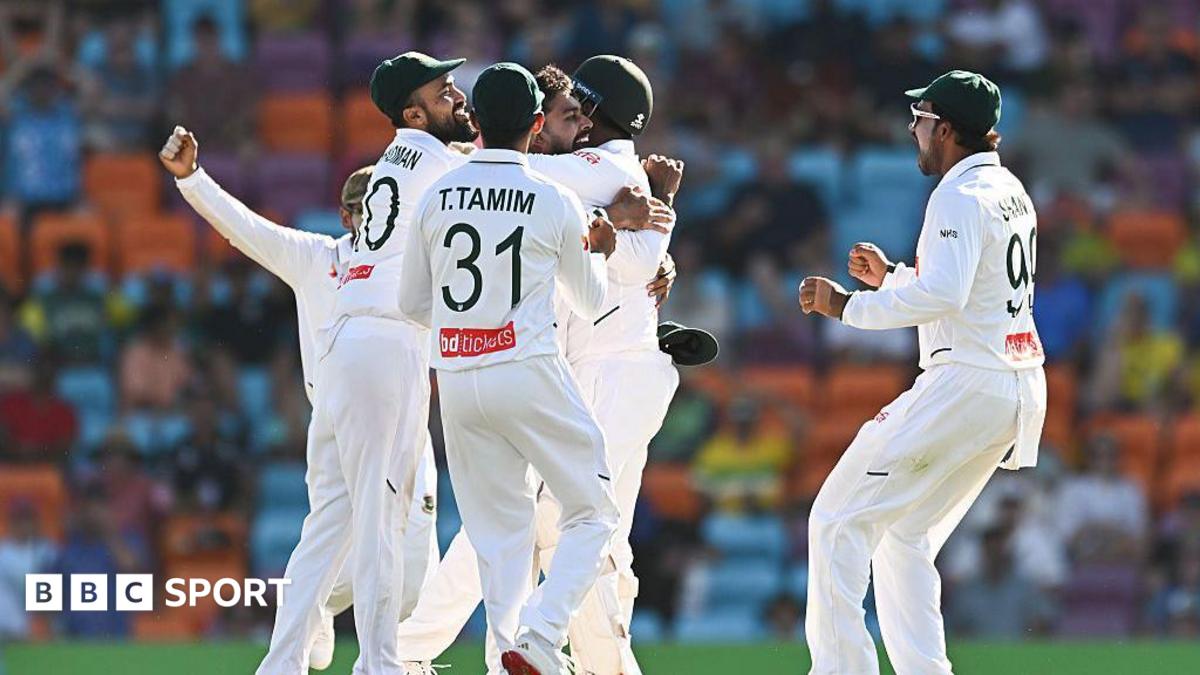
Australia vs Bangladesh Test: Miraz Pushes Hosts Toward Rare Defeat
Mehidy Hasan Miraz knocked Steve Smith over and suddenly the First Test feels like a live heist. Bangladesh are one wicket away from a result nobody in Australia circles lightly.

Gretchen Walsh 100 Butterfly Final: Day 3 Pan Pacs Live Recap
Gretchen Walsh is the one to beat in the women’s 100 butterfly final after a ridiculous prelims swim. The question isn’t whether she’s fast enough — it’s who can live with the heat.

Summer McIntosh 400 Free B Final Miss: What It Means Tonight
Summer McIntosh missed the 400 free A final by one spot and will swim the B final tonight. The result says plenty about the margin at the top and almost nothing about her ceiling.