
2027 NFL Draft Rankings: Jordan Reid’s top 50 prospects
Six quarterbacks. One elite receiver. October just got loud for scouts.
 Zane Miller7 min read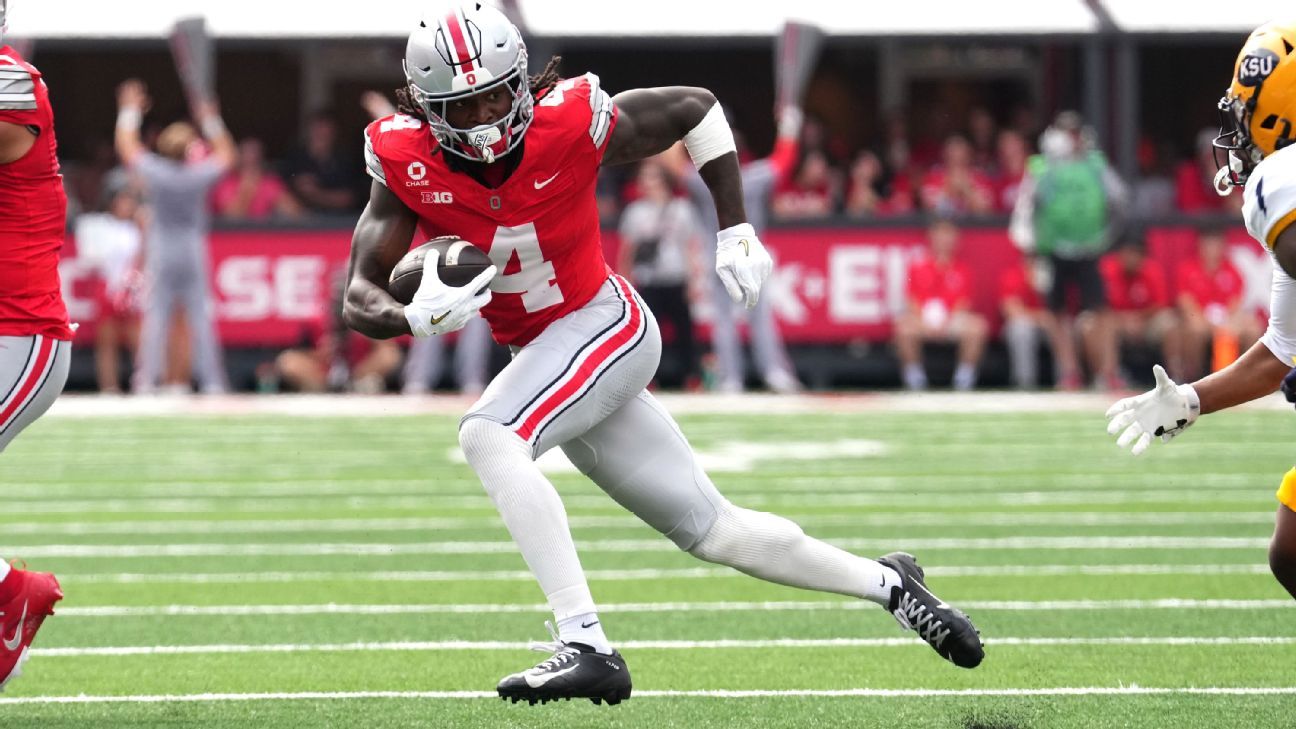
October is where the draft machine starts humming for real. Not the fake, midseason social media version. The real one. The version where scouts stop scribbling names in pencil and start building a board that executives will argue over for the next seven months.
Jordan Reid dropped his debut 2027 rankings with 50 prospects, and the first thing that jumps off the page is simple: this class already has a spine. Six quarterbacks. An elite receiver. Enough front-seven and trench talent to keep teams honest. That’s the shape front offices want before Thanksgiving hits.
The quarterback count tells you the class has juice
Six quarterbacks inside the top 50 is not a throwaway detail. It means the league’s always-thirsty QB ecosystem already has multiple names worth tracking, and that matters for everything downstream. It affects who gets pushed up the board, who gets overdrafted in March, and which quarterback-needy teams start talking themselves into patience versus panic.
This is where the draft calendar gets weird in a good way. Once a class has real QB volume, the ripple effect hits every position. Wide receivers climb because they help quarterbacks look cleaner. Tackles climb because nobody wants to explain another franchise pass-protection meltdown. Edge rushers and corners climb because teams drafting in the top half of round one still need something that can show up on Sunday.
If you’ve followed the early cycle before, you know the pattern. The league doesn’t just draft quarterbacks. It drafts narratives around quarterbacks. And a class with six legit names gives teams options, leverage, and excuses.
That’s also why this board matters for the teams already sitting in the anxious tier of the NFL. The difference between picking third and picking eighth can be the difference between getting your preferred passer and settling for the one you convinced yourself was equal all along. We’ve seen that movie. Too many times.
The elite receiver changes the math
An elite wide receiver prospect at the top of the class gives the whole board a different flavor. Teams will always chase the quarterback, but the presence of a true blue-chip receiver forces personnel departments to ask a tougher question: do you take the cleaner evaluation, or do you swing on the premium position and trust the developmental track?
Receivers like that don’t just help an offense. They reshape draft room logic. A receiver with real separation ability and top-tier playmaking changes how teams stack the board because he can fit multiple offensive systems and raise the floor for a young quarterback. That is catnip for evaluators who already think their offensive coordinator can squeeze more out of talent than the last staff did.
It also matters in a class where the quarterback board is still being sorted. If the passer group is deep but not yet separated, the receiver becomes a stabilizer. He becomes the prospect you can sell to ownership, to your fan base, and to your coordinator without needing a 45-minute caveat.
That’s the difference between a prospect who is merely good and a prospect who quietly controls the room.
Top 50 in October is a roadmap, not a verdict
This is the part fans often miss. A debut top 50 in early October is not a final judgment. It’s a map of the terrain. The rankings tell you which names have already created separation, which players have the traits Reid is willing to buy early, and which prospects he’s comfortable betting on before the film sample gets bloated.
It’s also a reminder that the best draft boards are living documents. A tackle can rise once the league starts studying the footwork against better pass rushers. A safety can slide if the playmaking doesn’t travel. A quarterback can move a full tier in one month if the processing under pressure starts looking real instead of theoretical.
The better teams know this. They do not fall in love with the first list. They use it as a checkpoint.
For fans, though, this is the start of the fun. Not because the rankings are gospel. Because they give shape to the next wave of spring arguments. Which quarterback is the safest? Which one has the most upside? Which receiver is the rare one? Which lineman is being slept on because he plays a boring position on a boring team? That’s the draft cycle’s oxygen.
October boards don’t hand out answers. They reveal who already looks expensive.
What executives are really doing with this list
I’ll give you the real angle: front offices are already using these early rankings to model risk. Not just who’s good, but who becomes a problem if the board breaks a certain way. If you’re a team picking in the top 10, you want to know whether this quarterback class is deep enough to let you wait. If you’re picking later, you want to know whether the elite receiver is the type of player worth trading up for before the league inflates his value.
And yes, the timing matters. With the calendar turning to October, every scouting department is trying to separate signal from noise before conference play warps the data. Some prospects look like first-rounders against average competition. The real test is what happens when the tape gets ugly. That’s where boards harden.
I’ve always believed the first meaningful rankings of a draft class tell you less about the players than the league’s appetite. And right now, the appetite is obvious: teams want quarterbacks, but they also want the one receiver who can change the geometry of an offense from snap one. That combination usually drives the class, whether people admit it or not.
If you want a historical parallel, think less about the names and more about the structure. When a class gives you multiple quarterbacks and one obvious non-QB star, the board gets pulled in two directions at once. Quarterback desperation is loud. True receiver scarcity is sneaky. Front offices end up balancing both, and that’s where trades, reaches, and late-March self-justification start to bloom.
For readers tracking the broader college pipeline, this also connects cleanly to what we’re seeing across the sport. Talent evaluation is getting more layered, more urgent, and more public. The draft content now starts before Halloween because teams cannot afford to wait for the market to define the market for them. If you’ve been reading our early college board coverage and the way the NFL’s quarterback pipeline gets debated, this is the same conversation with a different calendar.
The ripple effect reaches January, not just April
The practical fallout here is simple. Every strong early draft board changes how teams approach the rest of the college season. Scouts travel differently. Personnel departments split more resources on the positions that matter most. Coaches start paying closer attention to fit, not just talent. And yes, agents start getting a better read on where leverage might live once all the pre-draft noise begins.
There’s also a downstream effect on the teams that finish weak. If the top of the board keeps holding through winter, bad teams will know exactly what they’re chasing. If it shifts, the entire first round changes shape. That’s why these early rankings carry more weight than people think. They’re not just about who’s hot in October. They’re about who is about to become expensive.
I’d keep a close eye on the quarterback group, because that’s where the class will either become fascinating or get overhyped into chaos. And the receiver? If he stays on this track, he won’t be just a top prospect. He’ll be the player every coach uses to sell a draft room on patience, aggression, and whatever version of offensive optimism they’ve been selling since summer.
The board is live now. The arguments are next.
More from Straight From The Bench
Comments
Join the conversation — sign in to leave a comment.
Sign in to commentRelated Stories

Packers Kevin Zeitler Start Week 4: old guard, new job
Kevin Zeitler walked in, got to work, and immediately started looking like the answer at right guard. That’s how a veteran survives in the NFL.
Jalon Daniels NFL Start: the thermostat Kansas City needs
Jalon Daniels is stepping into his first NFL start with an old, unforgiving job description: steady the temperature. The rookie’s debut arrives not as a ceremony, but as a test of poise under pressure
NFL Week 4 Picks: Raiders Upset Chiefs, Saints-Falcons Battle
Week 4 brings a few traps, a few toss-ups, and one sneaky upset pick in Las Vegas. The picks are noisy; the NFL is noisier.