
A'ja Wilson AP WNBA Player of the Year: Third Straight Crown
The league’s standard is wearing No. 22, and everybody else is chasing shadows.
 Leo Lupo5 min read
A'ja Wilson has turned dominance into routine, and that’s the scary part. The Las Vegas Aces star just hauled in AP WNBA Player of the Year honors for the third straight season, a clean little reminder that some players don’t just lead the league — they drag it along behind them. Wilson got 15 of 17 first-place votes from a national media panel, which is the kind of near-unanimous nod that says the voters weren’t wrestling with the tape all that much.
She’s been the same story for three years now: production, force, and no wasted motion. Not flashy-for-the-sake-of-flashy. Just better than everybody else. While the league keeps growing — more attention, more eyeballs, more noise from people who suddenly discovered the WNBA five minutes ago — Wilson keeps doing the old work. Score. Rebound. Defend. Repeat. You can build a franchise around that. Truth is, the Aces already have.
Wilson isn’t just winning — she’s setting the measuring stick
There’s a difference between being the best player and being the standard. Wilson is the standard now, and that’s what three straight AP awards really tell you. Opponents game-plan for her the way old coaches used to mark up a lefty ace or a heavyweight champ with a piston jab. She changes the geometry of a game. You know where she’s headed. You still can’t stop it.
That matters because the WNBA has plenty of stars, plenty of talent, and plenty of arguments for the lounge-room panel. Caitlin Clark drives conversation like a tow truck in rush hour. Other players bring different flavors. Wilson brings the thing every serious team needs when the calendar turns mean: reliability with teeth. When the postseason gets tight and the floor shrinks, that’s the currency.
And let’s not kid ourselves. Awards like this aren’t about one shiny month. They’re about the full grind. The travel. The scouting reports. The nights when legs are dead and the jumper still has to be there. Wilson’s been beating that drum longer than some of the louder folks around the league have been paying attention.
Three straight Player of the Year awards isn’t a hot streak. It’s a referendum, and the league keeps voting the same way.
Angel Reese gets her own hardware the hard way
The other end of the ballot had its own message. Angel Reese took top defensive player honors, and that fits. Reese doesn’t sneak up on anybody. She arrives with elbows out, rebounds in hand, and a mean streak that belongs in a steel cage somewhere. Defensively, that edge plays. It travels. It annoys the other team. Coaches love that. Fans pretending not to love it love it even more.
That award matters because defense usually gets treated like the leftover vegetables on the plate. It shouldn’t. A real defender changes possessions. Changes moods. Changes games. Reese did enough of that to get noticed, and good on her. If you want the league to keep maturing, you need its stars to be recognized for more than points and social media traffic.
There’s a nice little tension there, too. Wilson and Reese are different kinds of stars, different kinds of problems, different kinds of magnets. That’s healthy. Leagues don’t grow on one personality or one style alone. They grow when a fan can watch two players and get two different answers to the same question: what does dominance look like?
The vote says more about the league than the trophy does
This wasn’t a polite split decision. Wilson nearly ran away with it. That tells you the media panel saw what everybody with a functioning pair of eyes saw: she was the clearest choice, the safest choice, and the right choice. Not because the field was weak. Because Wilson was that good.
For the league, that’s the good problem. The WNBA is healthier when the conversation has layers. The star power is real. The rivalries are sharper. The younger audience knows names across the board. But every league still needs a benchmark. In the NBA, it was Michael Jordan before it was anybody else. In the WNBA, Wilson is carving that same hard line across the page. Different era, different game, same idea: if you want to be taken seriously, you have to survive the shadow of the standard.
I’ve watched enough of these award seasons to know how fast the chatter can slide into nonsense. One hot week and suddenly somebody’s “taken the throne.” Nonsense. Thrones aren’t handed over in March, June, or whatever the internet decides is convenient. They’re earned over years, with bruises, film, and boring consistency. Wilson has all of it. That’s why this award lands with weight instead of glitter.
And Reese? She’s building her own lane. The defensive award is a start, not a ceiling. If she keeps tightening the rest of her game, she’s going to be a problem for a long time. The league could use more of that kind of friction.
What to watch next: the chase behind Wilson
The real story now is whether anybody can make this race interesting next season. Not by marketing. By basketball. Wilson has set the bar so high that the rest of the pack needs a ladder just to reach the lower rung. That’s no insult. That’s what greatness does. It makes everyone else look unfinished.
If you’re the WNBA, this is the kind of award picture you want: a dominant established star, a rising defensive menace, and a league full of players trying to crack the code. No one’s handing out style points here. The game is getting sharper, tougher, and more watched. That’s the whole ball of wax.
Wilson stays the headliner until somebody proves otherwise. Reese gets her flowers. The rest keep chasing. That’s how it should be.
Next season starts with the same inconvenient truth for everybody else: A’ja Wilson is still the problem.
More from Straight From The Bench
Comments
Join the conversation — sign in to leave a comment.
Sign in to commentRelated Stories

Berlin Marathon: Tigst Assefa wins despite injury setback
Tigst Assefa still took the tape in Berlin, but an apparent injury robbed the race of a world-record finish. Victory came, though not the way history had arranged it.
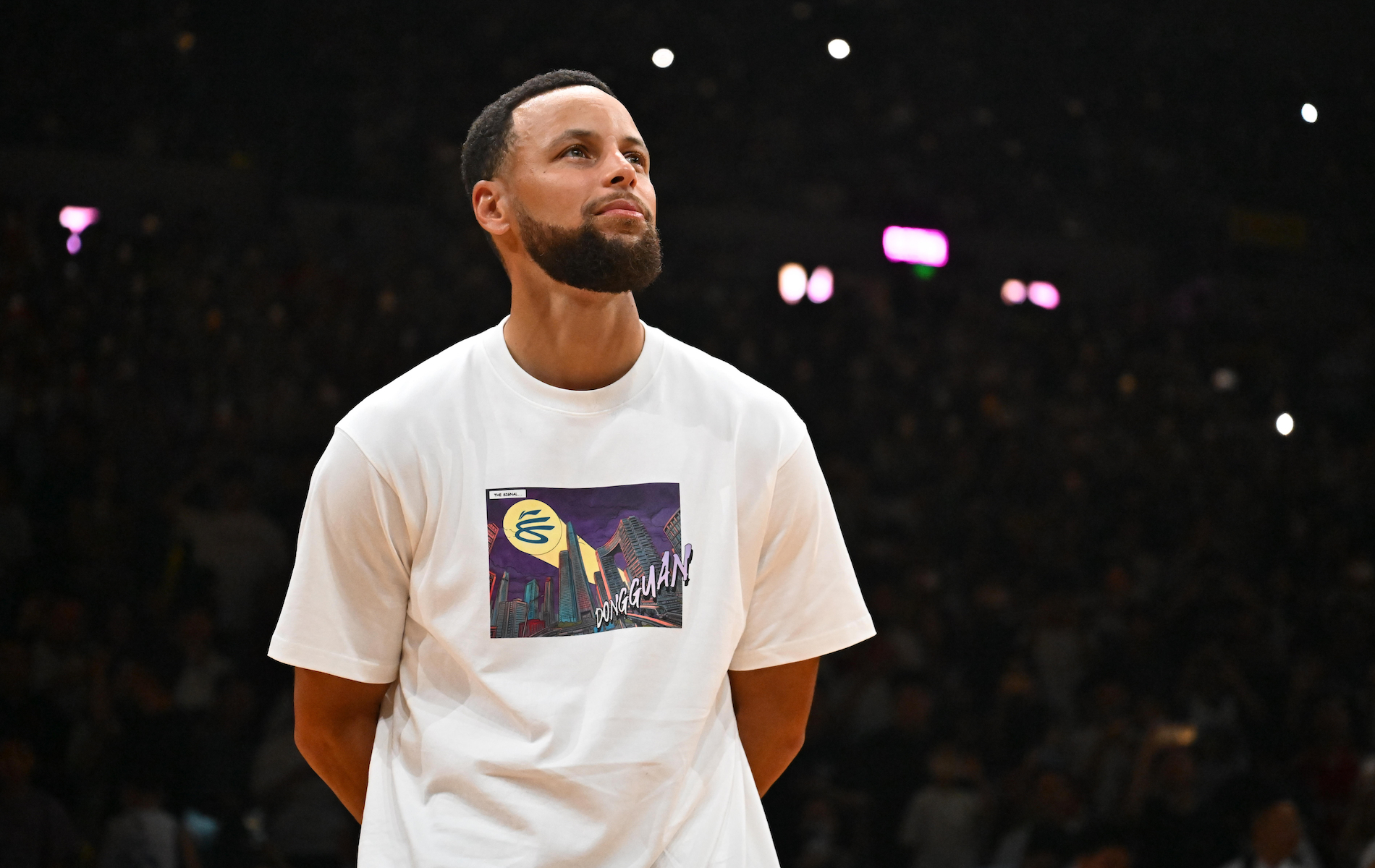
Stephen Curry $20 Million Deal: What It Says About the NBA
Stephen Curry’s latest financial move is less a transaction than a reminder of how fully the NBA has bent around his gravity. The money is large; the symbolism is larger.

MLB Wild Card Race: Phillies, Diamondbacks, AL West Go to Game 162
The final NL Wild Card and the AL West are both heading to Game 162, with the Phillies, Diamondbacks, and division chasers all under the gun.