Alabama CB Dre Kirkpatrick Jr. dismissed after arrest for doxxing
At Alabama, the uniform stopped mattering the moment the conduct crossed a line.
 Beatrice Kensington5 min read
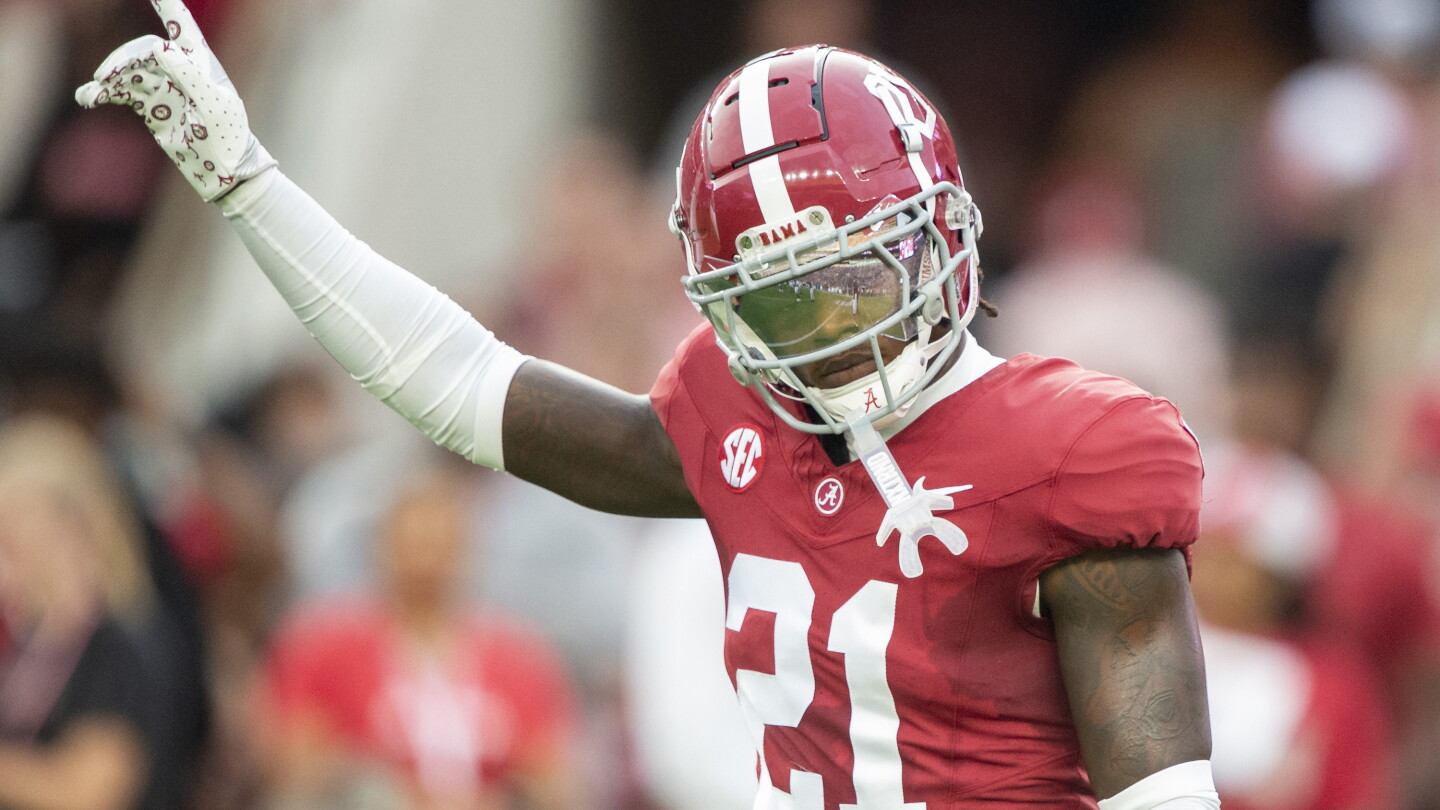
Alabama did not wait around to let this harden into a distraction. On Tuesday, the program dismissed cornerback Dre Kirkpatrick Jr. after his arrest tied to doxxing and harassing a police officer, a decision that landed with the clean, cold force of institutional necessity. In Tuscaloosa, where the Crimson Tide have spent decades polishing the myth of rigor into something close to a civic religion, the message was unmistakable: there are lines even a football factory cannot step over.
The football part of this story is almost beside the point, which is precisely why it matters. Kirkpatrick, the son of former NFL cornerback Dre Kirkpatrick, arrived with a name that carried its own shadow and promise. Sons of former pros often inherit two burdens at once — expectation and comparison — and Alabama has never been a place gentle with either. But this dismissal is not about pedigree. It is about behavior, about the basic fact that talent does not buy immunity from consequences, and about a program that knows it cannot ask the public to trust its standards if it flinches when those standards are tested.
Alabama drew the boundary quickly
Kalen DeBoer’s program did what major programs are now forced to do in the age of permanent receipts: act before the story metastasizes. The modern college football roster is a fragile arrangement of scholarship, image, and public scrutiny, and any coach who pretends otherwise is either naive or performing for the cameras. Alabama has lived through enough of the latter to understand the value of decisiveness.
The dismissal also tells you something about the way elite programs now police their own brands. The old reflex was to buy time, let the facts dribble out, hope the noise softened. That instinct is increasingly risky. Universities, and especially football powers, are no longer judged only by what happens on Saturdays. They are judged by how quickly they respond when an athlete’s conduct spills beyond the field and into real harm. Doxxing is not locker-room foolishness. It is targeted intimidation. It can be corrosive, frightening, and deeply personal.
That distinction matters.
The cost of a name carrying weight
There is a particular ache in stories like this because the son never fully gets to own the name in public. He carries it as inheritance and burden, and every success or misstep gets filed under the family ledger. Dre Kirkpatrick Jr. was never just another walk-on to the internet crowd; he was the next chapter in a football surname already familiar to people who have spent years watching NFL defensive backs close space and crack down on receivers.
But football lineage does not confer judgment. If anything, it can sharpen the stakes. When a player arrives with a famous last name, the public often assumes a certain polish, a certain discipline, some inherited professional edge. When the opposite happens, the fall is louder. Alabama understands this better than most. The program has recruited stars, rehabilitated reputations, and swallowed its share of headaches in the endless march toward relevance. Yet there are moments when the pursuit of elite depth has to yield to something simpler and more human: the obligation to say no.
That is why this decision lands as an institutional statement, not merely a roster move. A defensive back can be replaced. A reputation, once damaged, is harder to patch.
What Alabama protects by acting now
The immediate effect is obvious enough: one less body in the secondary, one less name in the depth-chart arithmetic, one less player for the staff to develop. But the deeper effect is cultural. A program like Alabama is not just trying to win games; it is trying to preserve the idea that its standards are real, even when the player in question is tied to a famous lineage or comes with enough athletic promise to tempt patience.
There is a reason major programs are so careful with these decisions. Let one exception slide, and soon the exception becomes precedent. Soon the locker room notices. Soon recruits notice, too. These are small acts with large echoes. I have long believed that the healthiest football programs are not the ones that pretend to be above scandal, but the ones that are willing to take a public hit to preserve a private truth: the rules still mean something.
The hardest roster spot to fill is the one vacated by behavior a program can no longer excuse.
I’ll say this plainly: Alabama has spent too many years being treated as if its brand alone can absorb any indignity. It cannot. No program can. And if anything, the greater the prestige, the less room there is for moral improvisation. The university does not get credit for winning on the field if it looks willing to bargain away accountability off it.
There is also a wider college football lesson here, one that reaches beyond Tuscaloosa and into every recruit’s family group chat. The sport is entering an era where player conduct is no longer a side note to the depth chart; it is part of the evaluation. Coaches recruit athletic gifts, yes, but they also inherit the consequences when those gifts are attached to reckless decisions. That is not sentimentality. It is governance.
For Alabama, this dismissal may pass quickly into the churn of roster news. Another cornerback will take the reps. Another name will fill the space on the lineup sheet. But the program has made a choice that will outlast the week’s headlines. It chose standards over sentiment, and clarity over drift. In college football, that still counts for something.
The next test is whether the Tide keeps that standard when the next uncomfortable case comes along. That is the real measure. Not the announcement. The follow-through.
More from Straight From The Bench
Comments
Join the conversation — sign in to leave a comment.
Sign in to commentRelated Stories
Florida State football update: McCullough answers fan frustration
FSU’s president says he understands the anger, but understanding isn’t the same as fixing. Florida State fans want a course correction, and fast.
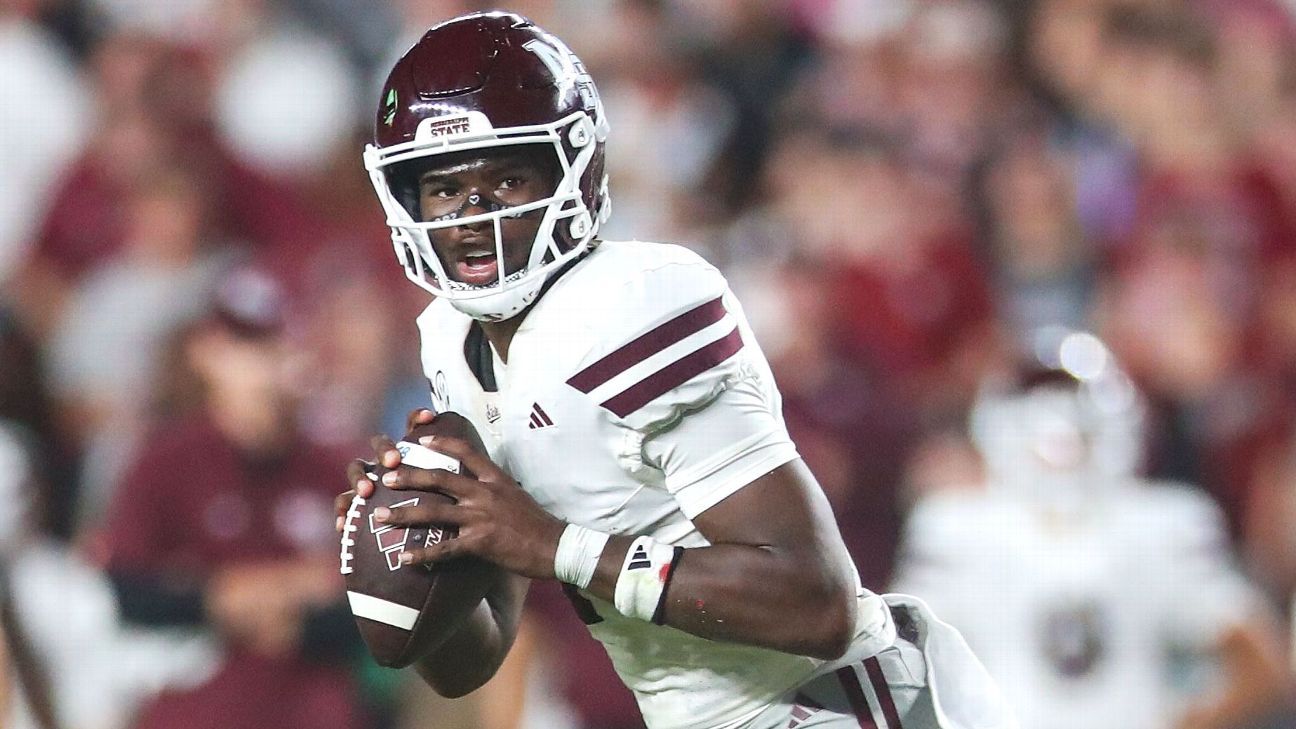
Mississippi State QB Kamario Taylor Injury Update: Season Over
Kamario Taylor’s rise was one of the season’s better stories. Now Mississippi State has to finish without the kid who gave it juice.
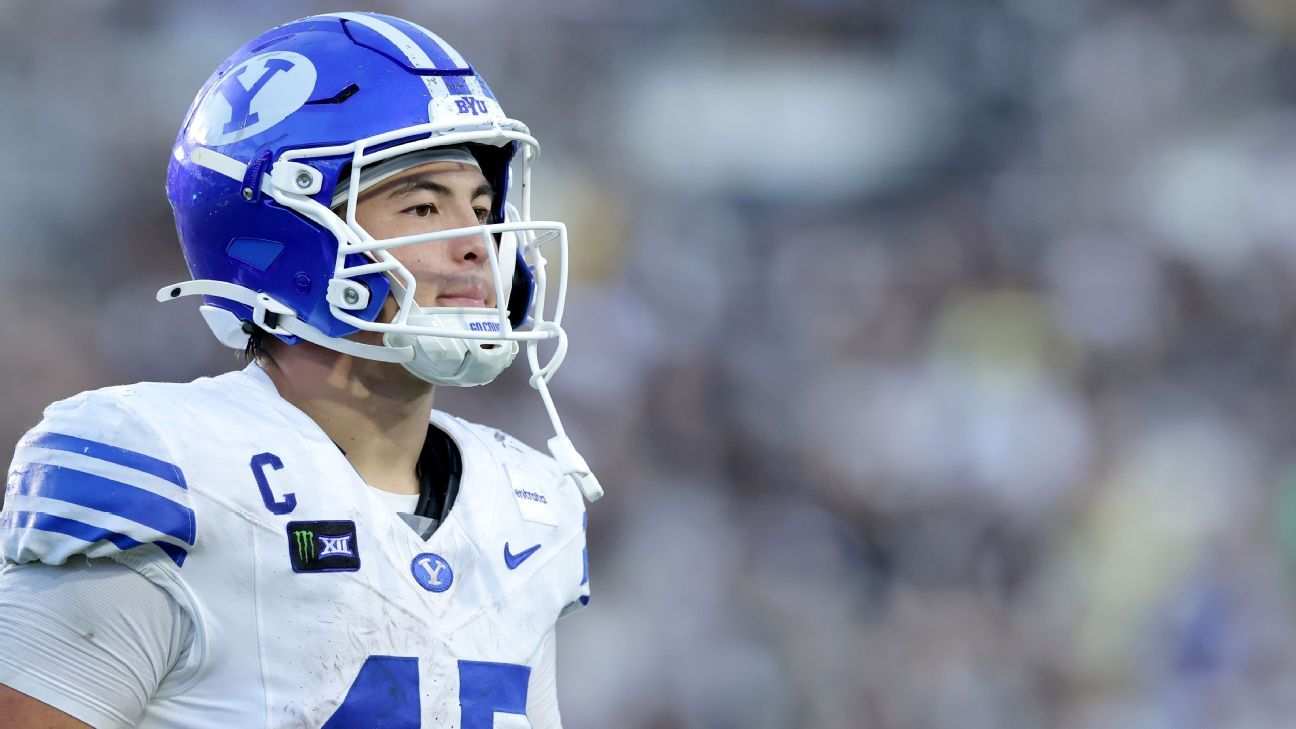
College Football Playoff Bubble Watch: Big 12 still alive after Week 8
Week 8 bruised the Big 12’s playoff path, yet BYU and Utah still have a route in. The bubble is crowded, brittle, and wide open.