
Alex Cora Phillies Manager News: 2027 Door Appears Shut
The Phillies keep knocking. Cora keeps the latch turned from the other side.
 Beatrice Kensington6 min read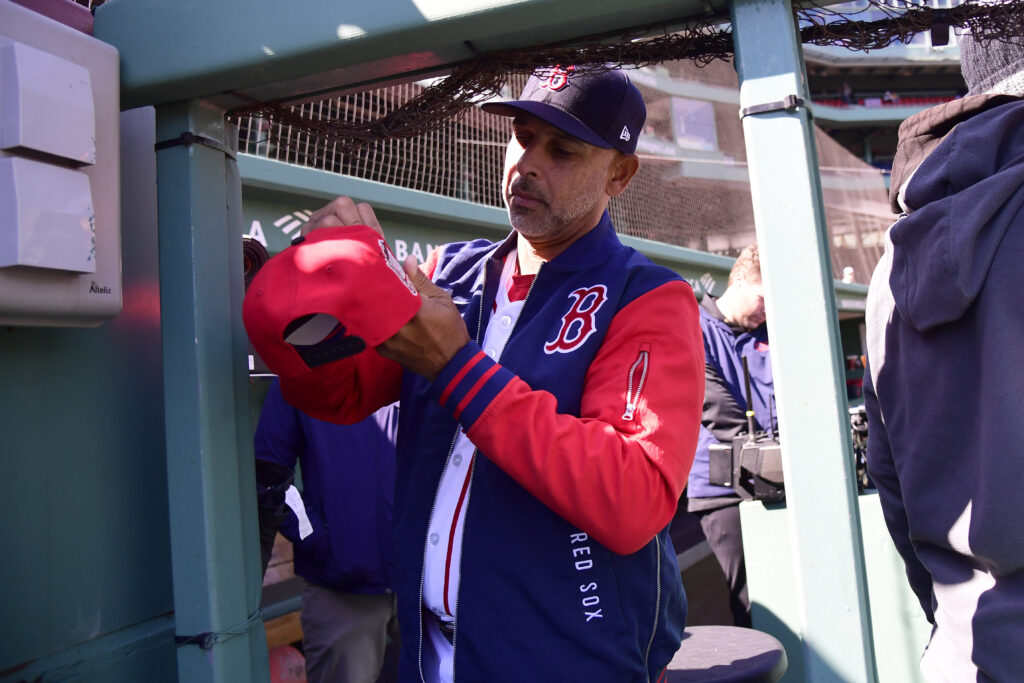
The Phillies have spent enough time circling the same elegant possibility that it now feels less like a search and more like a courtship gone cold. Alex Cora, the kind of manager who changes the temperature of a room merely by entering it, has reportedly told Philadelphia he does not plan to manage there in 2027. For a club still weighing the shape of its dugout future, that is a small sentence with a long shadow.
Cora’s name has hovered over this opening for a reason. He carries a championship pedigree, a reputation for sharp in-game adjustments, and the sort of baseball intellect that makes front offices blink twice. If the Red Sox can hand him a lineup card and sleep just fine, other clubs naturally imagine what he might do with their roster, their pressure, their stage. The Phillies are a franchise built for that kind of speculation: impatient, ambitious, historically star-crossed, and forever one winter away from believing a new voice might unlock the whole thing.
Why Cora mattered to Philadelphia’s plans
This was never just about filling a seat. It was about identity.
The Phillies have been living with the same central tension for years: enough talent to matter, enough expectation to make every stumble feel like a public accounting. In that environment, the manager is not merely a strategist. He becomes a translator between a demanding clubhouse and a restless city. Cora, for all the baggage that comes with his résumé and his history, fits the profile of a man who could command that space.
His appeal was obvious in the way these things often are. He has managed a large-market glare before. He has sat through October’s burn and still looked unflinching the next day. He understands that managing in Philadelphia is less about serenity than about structure, about giving a volatile operation a spine. The Phillies’ interest was not fantasy; it was logic.
But logic does not always win the final room. Sometimes the door closes before the conversation gets warm.
The MLB has become increasingly managerial in the modern sense — not in the old cigar-smoke patriarch way, but as a league where the dugout voice is expected to harmonize with analytics departments, player development staffs, and ownership’s appetite for control. Cora lives comfortably in that overlap. That is precisely why his availability had such gravity. He is not merely a field boss. He is a signal that a club wants to be serious.
The Phillies did not just lose a candidate; they lost a version of themselves they may have wanted to become.
What his answer says about the market
There is a subtle cruelty in these managerial searches. The team does not always get rejected in so many words; it gets redirected. A candidate says no, quietly, professionally, and suddenly the list shrinks from visionary to practical.
That matters because the best managerial hires are often less about charisma than fit. A club can chase the biggest name in the room and still end up with a mismatch: too passive for a noisy market, too combustible for a veteran clubhouse, too attached to old instincts for a front office that wants a collaborator. Cora, in that sense, was the cleanest high-end solution on the board. If he is off it, the Phillies must decide whether they want a stabilizer, a tactician, or a caretaker with enough force of personality to survive the first bad week in June.
For Philadelphia, this also sharpens the stakes around the job itself. If a manager of Cora’s stature is not eager to sign up for the next chapter, the organization has to ask what exactly the outside world sees. Is this a place with too much scrutiny and too little patience? A place where the talent is undeniable but the runway is always shorter than advertised? These are not easy questions, and they are not the sort that disappear because a press release says so.
The fallout ripples beyond one dugout. Players notice when elite candidates hesitate. Agents notice. Other managers notice. Every search is part résumé exercise, part reputation audit.
The Phillies’ real challenge is bigger than one name
Philadelphia’s front office now has to solve the harder puzzle: not who looks best on paper, but who can govern a team that is expected to win loudly and often. That is where managerial searches grow honest. The splashiest candidate is often the least instructive one, because the actual job is made of small, relentless tasks — keeping veterans engaged, smoothing over slumps, managing bullpen usage without sounding like a spreadsheet in a polo shirt.
I have long believed that the great failure of modern baseball hiring is the assumption that the best baseball mind automatically becomes the best clubhouse leader. Sometimes it does. Often it doesn’t. The dugout is its own civic space, part theater, part triage, part weather vane. A manager must absorb the daily moods of 26 players and a city that treats October like an inherited right. That is not merely a technical challenge; it is a human one.
My sense is that Philadelphia, more than most markets, can be seduced by the grandeur of the name and then disappointed by the ordinariness of the fit. Cora would have brought sophistication, yes, but also a certain defined shape to the organization. That can be a blessing. It can also be a reminder that not every franchise wants to be managed; some want to be transformed. Those are different asks.
And there is the unavoidable historical echo here: the Phillies have spent generations searching for the figure who can make their ambition feel inevitable. Sometimes that figure is a roster architect, sometimes a hitter, sometimes a manager who can make 90 wins feel like destiny instead of drift. Cora could have been that sort of hinge. Now he is apparently not walking through the door.
Where Philadelphia turns now
The shortlist, whatever it looks like behind closed doors, just became more important. The Phillies need someone who can handle the immediate job and the emotional architecture of the club. That means asking not only who has the sharpest baseball mind, but who can stand in the middle of the storm without making the storm about himself.
There will be other names, other interviews, other rounds of polite optimism. There always are. Yet the loss of Cora is the kind of development that narrows the lane in a hurry. Philadelphia is no longer shopping the dream outcome. It is shopping the best workable answer.
And that, in baseball as in life, is where the real judgment begins.
The Phillies can keep searching, but the clock is now louder. The next choice will reveal whether they want a headline or a hand on the wheel.
More from Straight From The Bench
Comments
Join the conversation — sign in to leave a comment.
Sign in to commentRelated Stories
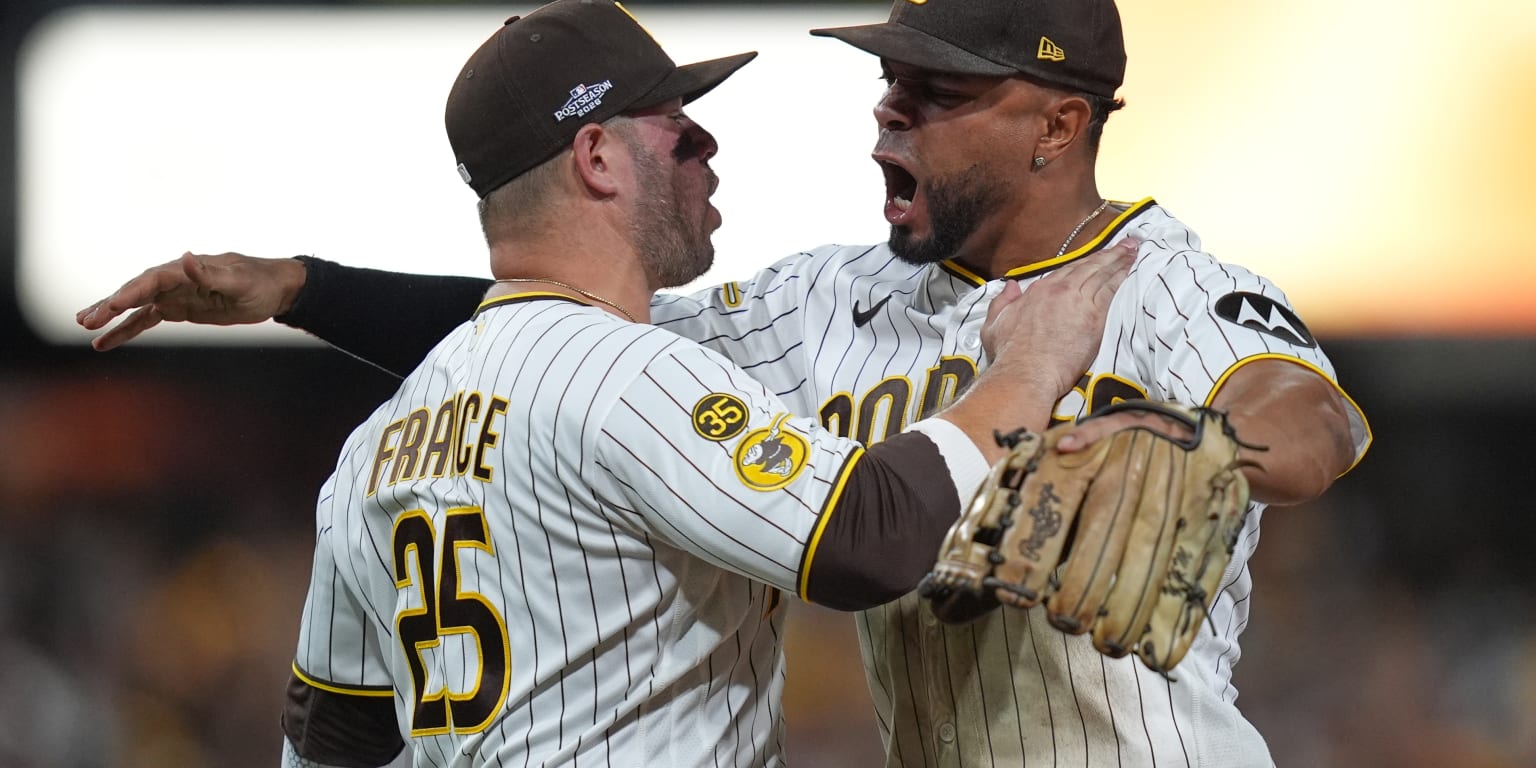
Padres NLDS Game 4: King Leads All-In Relief Push
The Padres had no margin and no luxury, only urgency. Michael King and a bullpen on fumes helped drag San Diego back into the NLDS.
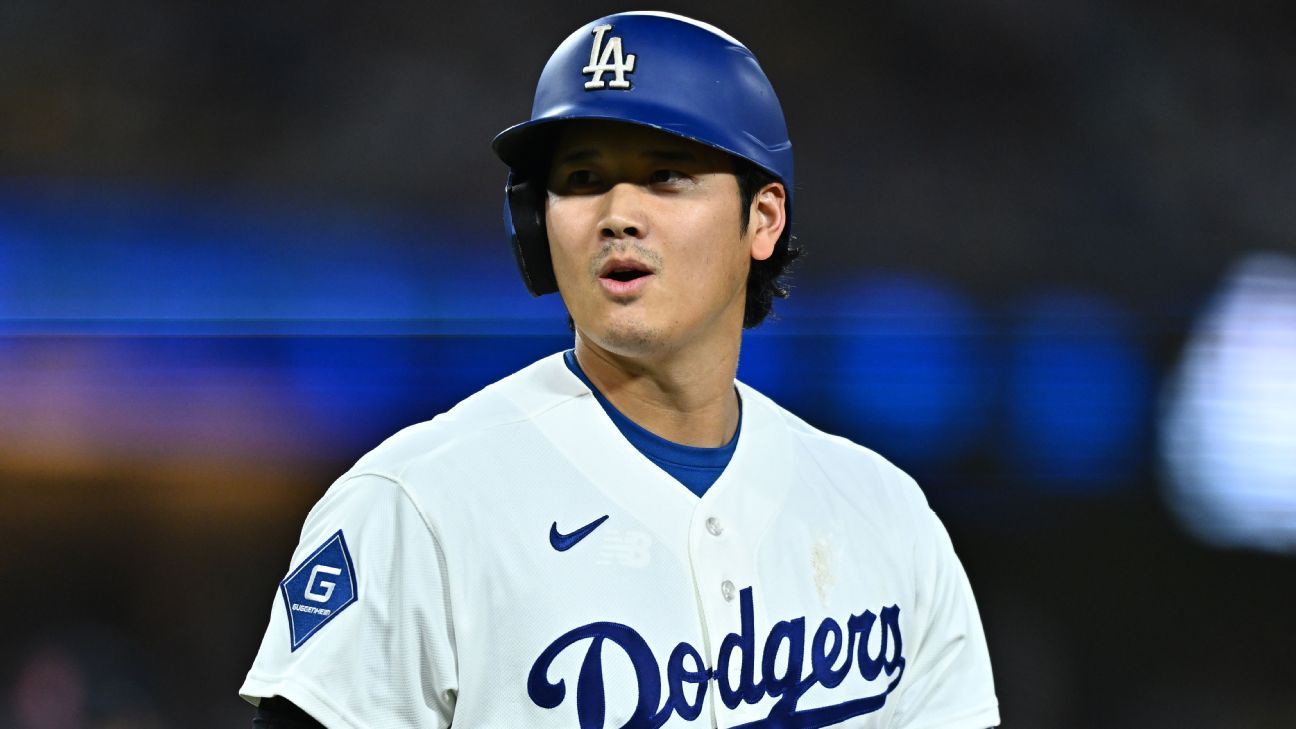
Dodgers Shohei Ohtani Lineup Move: Roberts Drops Star to No. 5
Shohei Ohtani at No. 5 is more than a lineup quirk. It’s a message about urgency, matchup math, and how little margin the Dodgers have left.
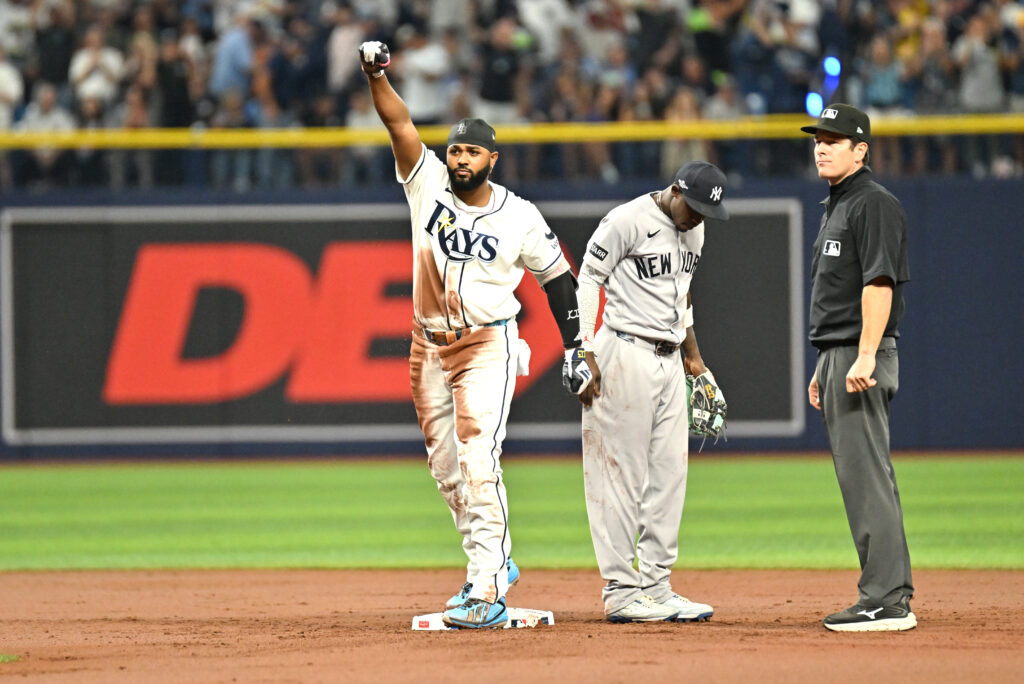
MLB Trade Rumors: Rays, White Sox and Yamamoto buzz heats up
Tampa Bay is up 2-0, Chicago has surged into October noise, and the Yankees’ defense just handed the league a weird stat nobody wants. The market never sleeps.