
Arsenal Max Dowman Red Card Appeal: Fleetwood Cup Fallout
A teenage flashpoint, and a club suddenly measuring discipline against promise.
 Beatrice Kensington6 min read
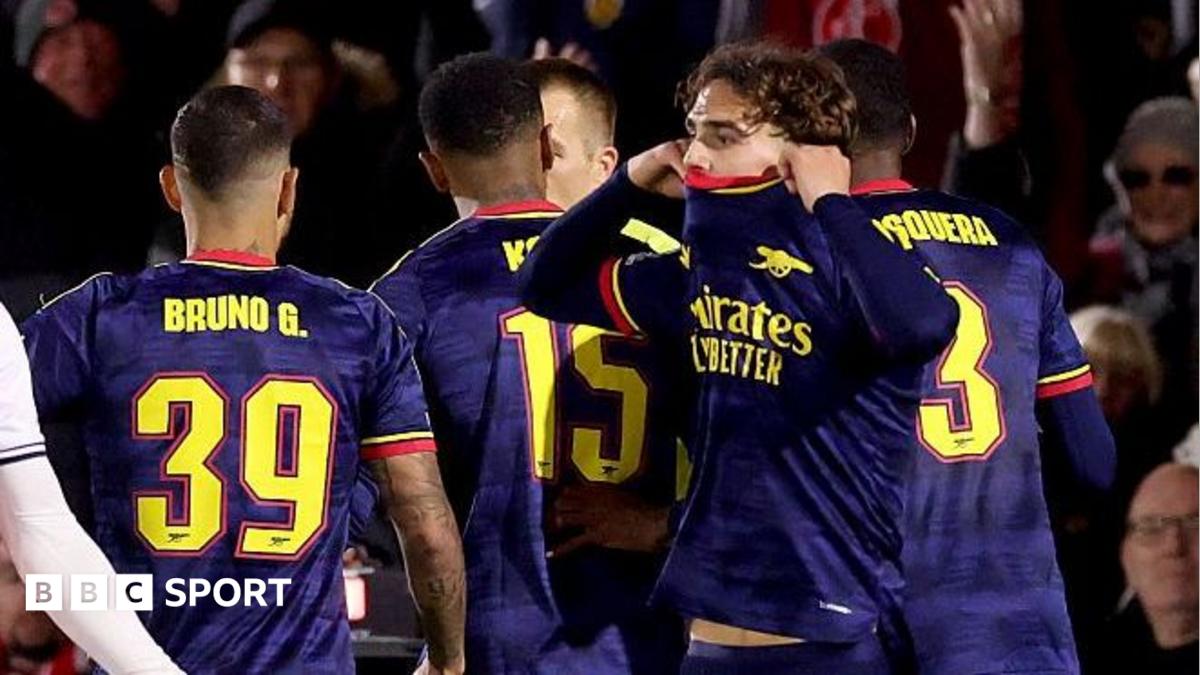
Arsenal’s decision to appeal Max Dowman’s red card from the Carabao Cup defeat at Fleetwood Town is the sort of move that looks procedural from a distance and deeply revealing up close. A 16-year-old midfielder, sent off in the 85th minute after reacting to a challenge, has become the latest reminder that the club’s future is no longer some distant architectural sketch. It is already knocking on the door, occasionally with muddy boots and a racing pulse.
The appeal itself is unsurprising. Clubs rarely leave a straight red on a young player unchallenged if there is any realistic path to reduction or reversal, particularly when the incident comes in a cup tie that already left Arsenal nursing embarrassment. But the broader significance sits beyond the disciplinary paperwork. This is not just about whether Dowman was provoked, or whether the referee judged the moment too harshly. It is about how Arsenal protect a teenager who has been thrust into a grown man’s game before the calendar has granted him the courtesy of adulthood.
A red card that says more than the scoreline
Fleetwood Town do not offer the velvet rope of elite football. They offer noise, compression, and a certain hard-edged honesty that can be as educational as it is punishing. For a young player, the lesson is not merely technical. It is emotional. One minute you are trying to impose yourself on a cup tie; the next, you are learning how quickly frustration can become a headline.
That is why Arsenal’s appeal carries symbolic weight. It is the club standing between a teenage mistake and an institutional verdict. There is a difference. A red card in isolation can look like indiscipline. At 16, it can also look like immaturity in its plainest, most ordinary form. Those are not the same thing, and Arsenal know better than most clubs that the line between rawness and recklessness is often drawn later by coaching than by punishment.
The club’s hierarchy has spent years trying to build an environment where young players are promoted not as decoration, but as legitimate footballers. Arsenal have made a virtue of trusting youth when the market becomes absurd and the wage bill starts to feel like a historical burden. That approach brings rewards, but it also brings these fragile little moments when development and consequence collide.
What Arsenal are really defending
The appeal is not only about the card. It is about the narrative attached to a promising young player. Football is merciless in the speed with which it turns a teenager’s worst 10 seconds into a permanent identity. One bad reaction, one flash of temper, and suddenly the child becomes a cautionary tale. Clubs know that once a label sticks, it takes far longer to peel away than a suspension.
Arsenal will also be aware of the practical side. If the dismissal stands, the player misses games, training rhythm is broken, and the staff must manage a young talent through the double burden of punishment and embarrassment. If the appeal succeeds, the club not only recovers a body for selection purposes; it also sends a message that context mattered, that the player was not abandoned to the consequences of a moment handled in heat.
At 16, a red card should be a lesson, not a life sentence.
The club’s handling of this case will tell us something about its modern spine. Do they absorb the noise, defend the player publicly, and then coach the lesson privately? Or do they let the moment harden into reputation? Arsenal have improved in recent seasons by being more deliberate in those choices, more willing to protect their own while still demanding accountability.
The pressure on academy talent is growing sharper
There is a romantic version of academy football that flatters everyone involved: the fresh-faced youngster, the elegant rise, the crowd applauding patience. The actual version is harsher. Young players are now given fewer excuses and more exposure than ever before. Social media has made every touch public; first-team scarcity has made every chance feel like a test. And at clubs with big ambitions, a teenager is never simply a teenager. He is a potential solution, a market asset, a developmental project, and a public story rolled into one.
That strain matters because it changes how mistakes are read. A senior professional can be sent off and called rash. A 16-year-old can be sent off and called everything from reckless to unserious, which is exactly why clubs have become more careful about insulating prospects from the weight of a single incident.
Arsenal’s situation here is hardly unique, but it is instructive. Big clubs are increasingly judged not just by whether they win, but by whether they can cultivate young players without burning them out in the process. If Dowman is the sort of talent Arsenal believe he is, then the response to this red card should be measured, not theatrical. Discipline matters. So does perspective.
For context, Arsenal’s broader season has already been shaped by margins, by how quickly a few errors can tilt the mood around a squad expected to contend at the top. The club’s supporters, who live each week with the pressure and beauty of Premier League standards, will understand that a Carabao Cup tie can be both a side path and a mirror. It shows the depth chart, yes, but it also shows the culture.
Fleetwood, frustration, and the education of a teenager
There is something almost old-fashioned about a cup tie like this. The pitch is smaller in emotional geography than league football, but bigger in consequence for the people in it. Fleetwood earn their edge through intensity and repetition; Arsenal arrive with pedigree and the burden of expectation. The collision between those worlds produces exactly the sort of night where young players either harden or unravel.
Dowman’s appeal will be judged on the details of the incident, and those details matter. But even if the red stands, the larger lesson remains. Arsenal must keep teaching him, not merely correcting him. The sport has always been eager to confuse punishment with development. It is a poor habit. One that wastes talent.
The best clubs know that adolescence in football is not a linear ascent. It is stumbles, corrections, and the occasional public bruise. The question is whether the institution around the player can keep the bruise from becoming a scar.
Arsenal are about to tell us how seriously they take that responsibility. The paperwork is the easy part. The real work begins after.
More from Straight From The Bench
Comments
Join the conversation — sign in to leave a comment.
Sign in to commentRelated Stories
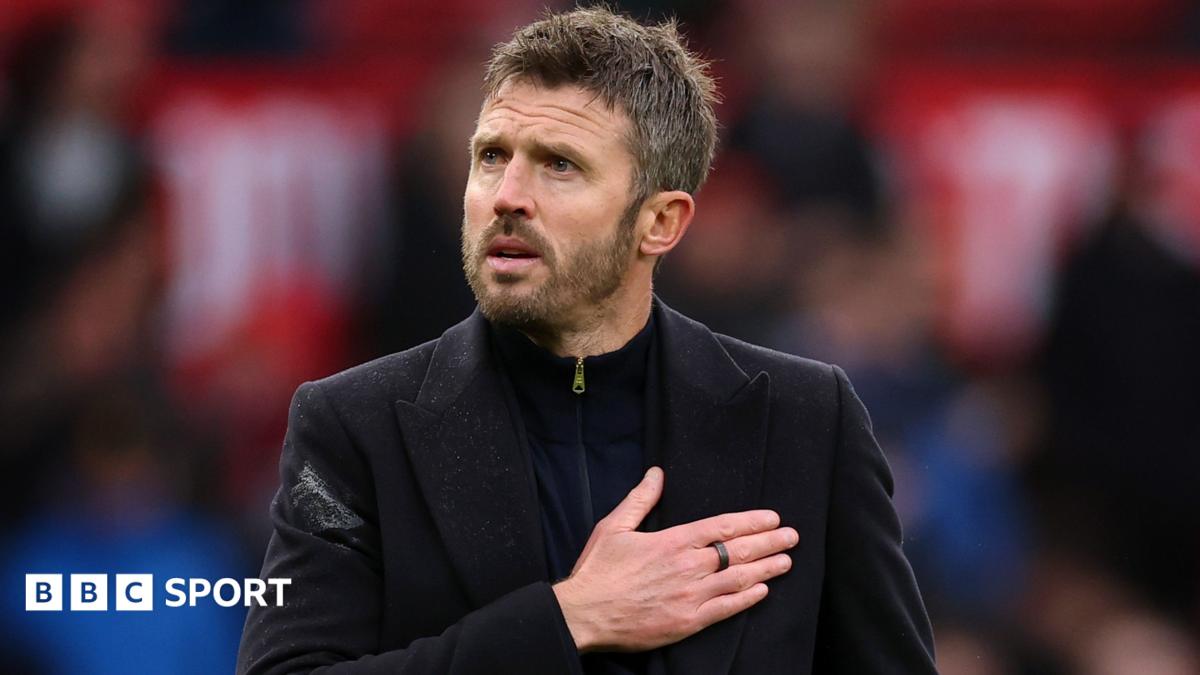
Manchester United Michael Carrick Update: Why He’s Staying For Now
Manchester United have cooled the talk of a managerial change for now, choosing calm over the firing squad. The real question is how long that calm lasts at Old Trafford.
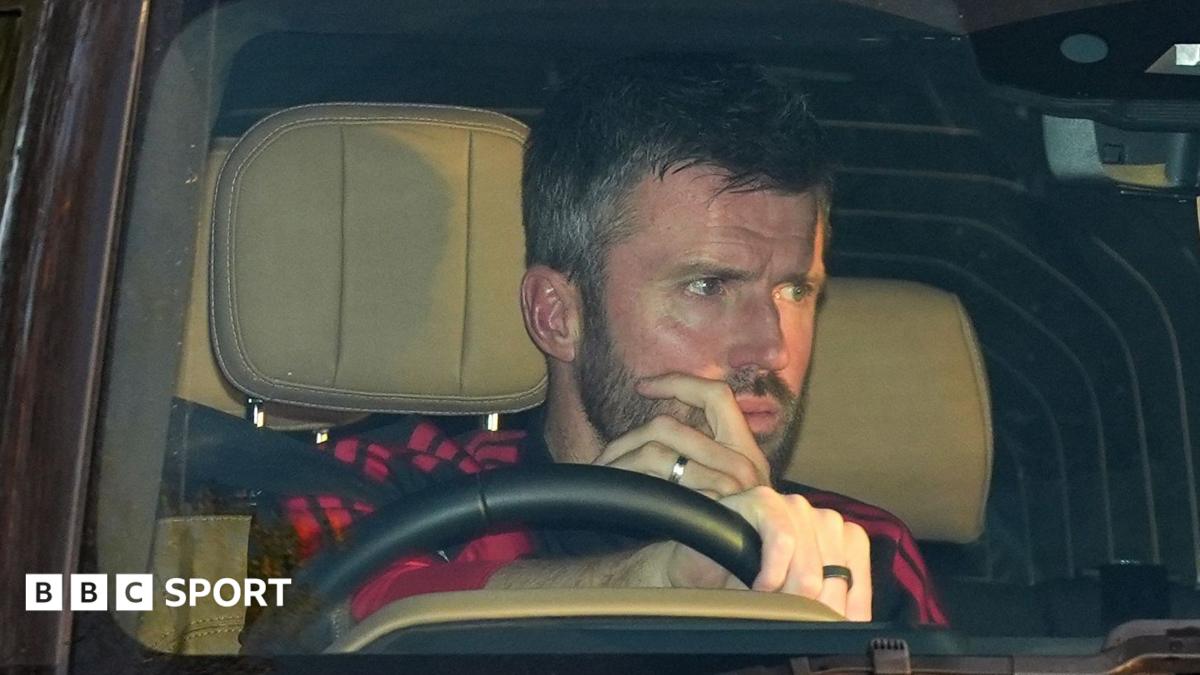
Manchester United vs Chelsea: Michael Carrick stays in charge
Michael Carrick remains in charge for Manchester United’s trip to Chelsea, giving the club a familiar hand while the bigger questions keep breathing down its neck.

Kylian Mbappé apology: Chinese brands cut ties after Mao remark
Mbappé’s apology came after a comment about Mao Zedong triggered backlash in China. The real damage was immediate: sponsors moved faster than any PR cleanup.