
Atlanta Dream WNBA Finals Game 6 Schedule Change Sparks Backlash
A noon tip-off for a championship game feels like a shrug from the league.
 Zane Miller5 min read
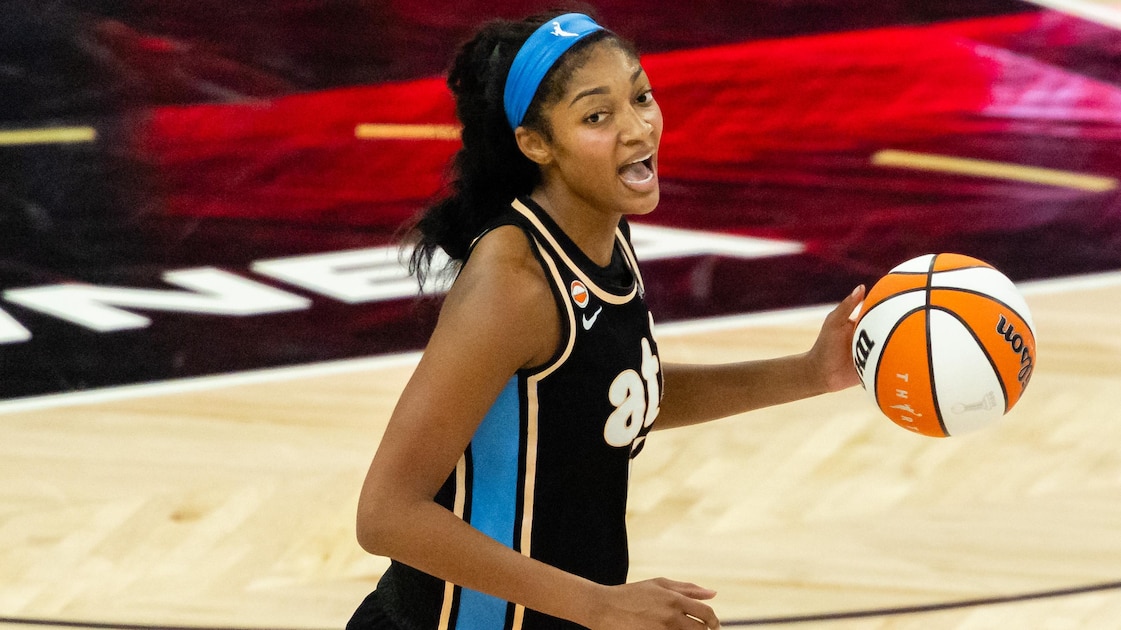
The Atlanta Dream didn’t just grumble about a weird start time. They put the league on notice.
Thursday’s WNBA Finals Game 6 is set for 12:30 p.m. ET, and Atlanta made it clear that this did not land well inside the building. The complaint isn’t hard to understand. This is a championship game, the kind of date on the calendar that should feel premium. Instead, it’s tucked into a noon-hour window that screams compromise.
That matters because timing is never just timing in pro sports. It’s exposure. It’s revenue. It’s respect. And for a league still fighting for the widest possible audience footprint, these decisions echo loudly.
A championship game in a lunch window
A Finals game should be the centerpiece of the day, not the thing people catch between meetings.
That’s the optics problem here. A 12:30 p.m. ET tip-off can be defended with logistics, television windows, building availability, or whatever else is driving the calendar. But the league can’t pretend the message is subtle. A showcase event gets the kind of slot usually reserved for workday filler, and that is going to set off alarms with teams that care about presentation.
The Dream’s public stance also tells you this wasn’t a surprise. The organization said it raised concerns two months ago. That’s the part worth underscoring. This wasn’t a last-minute tantrum after the schedule landed. It sounds more like a warning that never got enough traction.
Why Atlanta’s frustration hits harder than a normal gripe
The Atlanta Dream are not just fighting for a title. They’re fighting for attention in a crowded sports market, and every playoff window matters. Atlanta is a city with heavy competition for sports oxygen. If you’re going to ask fans, media, sponsors, and casual viewers to lock in on your team, the league has to help create the stage.
That’s where this gets bigger than one game. The WNBA has spent years building momentum, and the progress is real. More eyeballs. More conversation. More stakes. But momentum is fragile if the product keeps getting scheduled like an afterthought. You cannot spend months selling the growth story and then hand one of the biggest games of the season a midday slot that feels disconnected from the moment.
The league probably sees a scheduling puzzle. Teams see a statement about priority.
If this is the showcase, it should look like one.
That’s the tension here. Not every hard decision is a slight, but some of them sure look like one from the outside.
The TV and business angle nobody can ignore
Let’s not be naive about the machinery. This is pro sports, and TV windows drive a lot of the bus. The WNBA is still in a phase where every broadcast decision gets scrutinized for growth potential, and sometimes those choices are made with partners, not teams, leading the conversation.
There’s also the practical side. Early starts can be built around venue access, cross-sport scheduling, or network preference. Those realities don’t disappear just because fans want primetime theater. But if the league wants its biggest games to feel bigger, it needs to balance the spreadsheet with the stagecraft.
This is where executives have to think like marketers, not just schedulers. A Finals game in the afternoon can make sense on paper. It can even produce decent viewership if the audience is reachable and the matchup has juice. But the optics are brutal if the people closest to the product feel downgraded by the arrangement.
And make no mistake: teams notice these things. Front offices notice. Players notice. Agents notice. It all feeds into a larger narrative about how the league values marquee moments.
What this says about the league’s growing pains
I’ve covered enough league-building cycles to know this: the moment a sport starts gaining real mainstream traction, the scheduling fights get louder, not quieter. That’s usually a good sign. It means there’s something worth arguing over.
My read? This is part of the WNBA’s maturation, not a detour from it. Bigger leagues get more public friction because there’s more at stake. But the league also has to be careful not to create avoidable bruises with its own teams. When a franchise is saying it flagged the issue months earlier, the response can’t just be, “Sorry, that’s the calendar.” Not if you want buy-in from every corner of the league.
We’ve seen this movie in other sports. Once a league gets hot, the battle shifts from “Can people find this product?” to “Are you presenting it like it matters?” That is a different level of scrutiny, and it comes with expectations. The WNBA Finals should feel like appointment viewing. If the league wants the next jump in credibility and commercial reach, the packaging has to match the ambition.
What to watch before Thursday tip-off
The big thing now is whether this becomes a one-off annoyance or a recurring flashpoint. If the league gets any pushback from fans, media, or the teams involved, the conversation about scheduling standards is not going away.
Also worth watching: how much of this leaks into the room before Game 6. Players can brush off a start time if they’re winning. But if the game gets tight, if energy feels flat, if the road team thinks it’s been put in a strange spot, every little detail gets magnified.
Atlanta has already said enough to make the point. The real question is whether the league hears the message or just files it away for the next time a big game gets squeezed into an awkward slot.
The matchup still gets its championship stakes. But the start time? That’s the first fight of the day.
More from Straight From The Bench
Comments
Join the conversation — sign in to leave a comment.
Sign in to commentRelated Stories
Rays vs Brewers World Series: Tampa Bay forces Game 5
The Rays dragged this thing back from the grave with a 12th-inning rally, turning Milwaukee's celebration into a long, miserable wait. Baseball is cruel like that.
Anthony Edwards Knee Surgery Update: Timberwolves Face Long Absence
Anthony Edwards is headed for knee surgery and could miss more than two months. For Minnesota, this is more than an injury update; it’s a test of identity.
Brewers World Series Fans: Milwaukee Chases First Title at Tropicana
Brewers fans showed up in force at Tropicana Field, talking title like it was already overdue. Milwaukee’s 3-0 lead has the faithful smelling history.