Atlanta Falcons logo backlash: retro profile pic sparks outrage
A simple social post turned into a branding mess in hours.
 Zane Miller5 min read
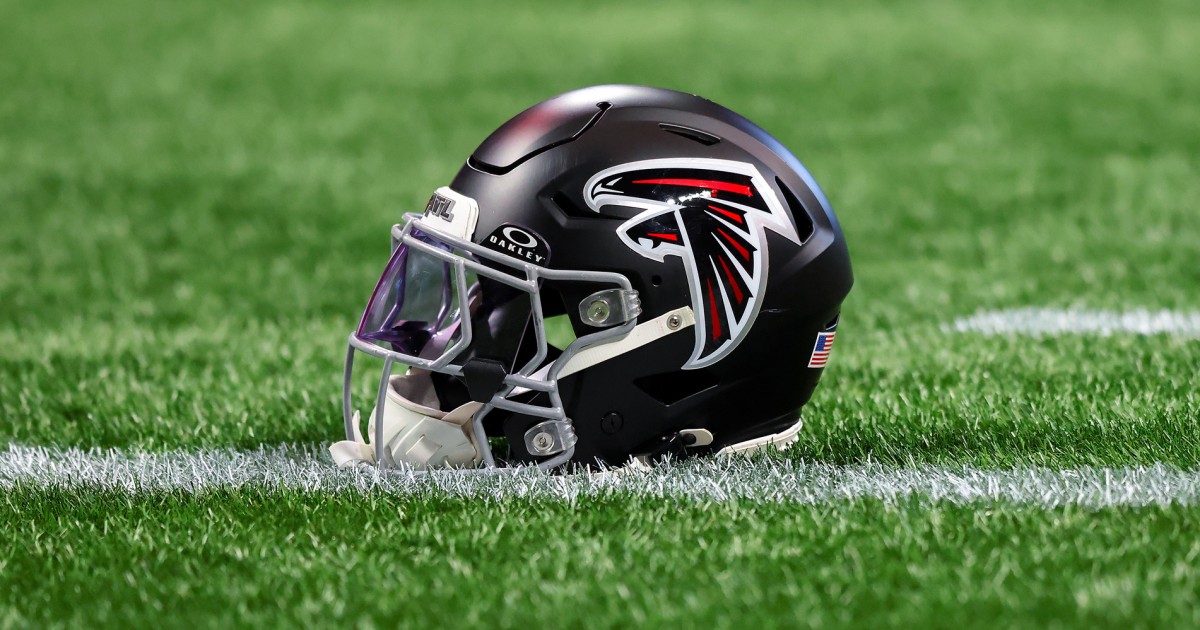
The Atlanta Falcons lit a match with a profile picture. That’s the modern sports reality: one image, one upload, and suddenly the entire internet is doing forensic design work while the team tries to play it cool. A retro Falcons symbol showed up across the club’s social media this week, and the reaction was immediate — not because fans were debating a fresh identity rollout, but because a chunk of the audience said the shape carried an ugly resemblance they could not unsee.
The organization’s response was about as tight as you’d expect. No, this is not a new logo. Beyond that, not much. And in a situation like this, silence doesn’t help much once the image is already out in the wild. The Falcons didn’t just post a graphic. They stepped into a culture-war minefield, whether they meant to or not.
A branding choice that landed like a misfire
This is where the NFL’s social media machine keeps getting exposed. Teams want nostalgia because nostalgia travels. Old marks, throwback uniforms, heritage aesthetics — that stuff prints engagement. Fans love it, at least until the execution goes sideways.
The problem here isn’t just “people on the internet are mad.” It’s that visual branding in 2026 gets dissected at speed and at scale. A profile picture isn’t a throwaway anymore. It’s a front-facing identity signal. It sits on X), Instagram, and everywhere else the league’s attention economy runs. So if a design evokes the wrong associations, even unintentionally, that’s not a small PR issue. That’s a live-ammunition issue.
The Falcons are trying to thread a needle between old-school franchise imagery and modern brand consistency. That’s harder than it sounds. Teams in the NFL are constantly updating their presentation for a younger, internet-native audience, but the visual language has to be clean, legible, and unmistakable. Once a design invites the wrong conversation, it stops being a logo and starts being a debate.
In 2026, sports branding doesn’t get the benefit of the doubt. It gets screen-shotted.
Why this hit a nerve so fast
This is not just about one image. It’s about how quickly sports fans now police symbolism, intent, and optics. A generation ago, this would have been a mailbag complaint or a local radio segment. Now it’s a viral pile-on within minutes, with fans circling, zooming, and comparing notes in real time.
The Falcons are not the first team to find out that “retro” is not automatically “safe.” It can be sharp, cool, and nostalgic. It can also look dated, off-model, or worse. Once fans attach a negative association, the team is forced into a defensive posture even if the original creative brief was harmless.
That’s what makes this mess interesting from a team-building perspective. NFL front offices spend months obsessing over message discipline, and then the brand side gets torched by a social post that should have been checked twice before it went live. Everyone in pro sports knows the drill: if you’re going to ask the public to embrace a throwback look, you better be certain it passes the eyebrow test.
For the Falcons, the optics matter because the franchise is already in a market where every bit of presentation gets judged. Atlanta is a big-city team with a national footprint and a fan base that’s hyper-connected online. That means the margins are thinner. A profile image is not “just a profile image” when it becomes the first thing casual viewers see.
What it means for the Falcons’ image game
The key question now is whether this gets treated as a brief social-media flare-up or a sign that the club’s branding process needs a reset. Teams usually don’t want to overreact to online noise. Fair. But there’s a difference between ignoring trolls and ignoring a real perception problem.
If the Falcons simply move on without acknowledging the discomfort, the story hangs around longer. If they quietly swap the image, they effectively admit the original design was a mistake. Either way, the team loses a little control over its own visual narrative.
That matters because NFL brands are money engines. Uniform sales, merch drops, social growth, sponsor polish — all of it depends on trust and clarity. Nobody wants ambiguity around a logo, especially not ambiguity of this kind. The league knows this. Clubs know this. Which is why situations like this usually get handled fast behind closed doors, even if the public-facing response stays minimal.
I’ve covered enough of these branding scrapes to know the pattern. Teams get enamored with heritage. Fans get protective of meaning. Then the internet adds a layer of interpretation nobody in the room planned for. That’s the collision. And once it happens, executives have to decide whether the aesthetic value is worth the reputational cost. Most of the time, they decide it isn’t.
The Falcons need cleaner judgment than this
I’m not going to pretend a profile picture is franchise-defining. It isn’t. But these little moments reveal whether a team is thinking ahead or just posting because the content calendar says so. That’s the gap in a lot of sports branding right now: too much speed, not enough scrutiny.
The Falcons have bigger football issues to solve, and nobody in the building wants this side story distracting from the actual product. Still, this is a reminder that brand management is part of the job description now. If a design can be mistaken for something toxic, even by a slice of the audience, then the club has already lost the room it was trying to win.
The next move should be simple: clean it up, move on, and let the football do the talking. Because right now, the only thing louder than the outrage is the silence from the team.
And in this league, silence never stays quiet for long.
More from Straight From The Bench
Comments
Join the conversation — sign in to leave a comment.
Sign in to commentRelated Stories

Patriots vs. Bears live updates: Drake Maye vs. Caleb Williams
Drake Maye and Caleb Williams meet under the lights as the Patriots and Bears open Week 7. This is more than a Thursday game — it’s a draft-class checkpoint.

Marshall Faulk Parkinson's Disease Diagnosis: Hall of Famer Speaks Out
Marshall Faulk says he’s been diagnosed with Parkinson’s disease and is stressing early detection. The news hits hard, but the message is plain: know it early, face it early.
Jonathan Taylor Trade Rumors: Several Teams Call Colts
Interest in Jonathan Taylor is real, and it says as much about the running back market as it does about Indianapolis. The Colts are holding a rare piece of leverage.