
Bears Week 1 Stats: Caleb Williams Sparks Chicago's Offense
A Sunday of hints and warnings, with Chicago’s ceiling suddenly looking real.
 Beatrice Kensington5 min read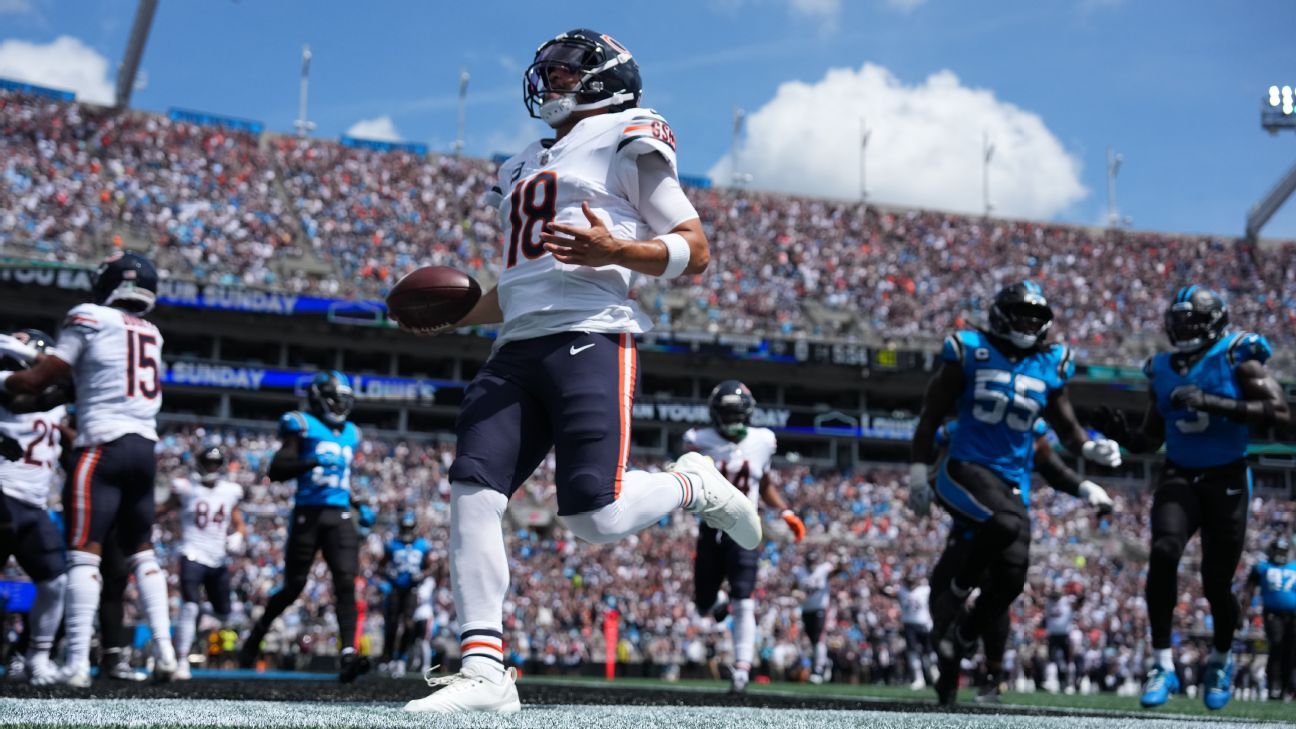
The first Sunday of the NFL season always arrives with a smell all its own — grass, sweat, nerves, and possibility — and in Chicago, the early math was almost embarrassingly flattering. The Bears did not merely win the opening-day optics battle; they looked like a team with a design, a pulse, and a quarterback in Caleb Williams who could turn ordinary space into a problem for defenses. That matters in September. It matters even more in December, when the league stops being a parade of sample sizes and starts demanding truth.
Week 1 advanced stats are a cruel and useful thing. They can flatter the fool and expose the fraud. Here, they did a little of both: Chicago’s offense flashed the kind of efficiency and explosiveness that can change the tone of an entire season, while the Buccaneers and Baker Mayfield were left staring at the old frontier problem of modern football — how to consistently threaten defenses beyond the sticks without living and dying by chaos. The box score is the postcard. The advanced numbers are the rent notice.
Chicago’s offense looked faster than the defense could think
What stood out most about the Bears was not simply that they scored, but how they moved. The speed of the operation, the cleaner rhythm, the sense that the quarterback and his receivers were seeing the same picture — all of it suggested an offense that has moved beyond aspiration and into function. That is no small thing for a franchise that has spent too many years hoping talent would magically become cohesion.
Williams has never been the sort of quarterback to live in a tidy, single-color world. His game is improvisation with a scholar’s note-taking. When his offense is right, it gives him layers to work with: a first read, a second read, and then the escape hatch that becomes a dagger. Chicago’s early stat line pointed to a unit that finally knows how to help him instead of asking him to save every snap by hand.
That is why this matters more than a feel-good opener. A fast offense in September can be a mirage; a fast offense with structure can become an identity. The Bears have been hunting that identity for years.
Baker Mayfield and the problem of the long ball
If Chicago’s numbers were a sunrise, Tampa Bay’s were a warning light. Mayfield has always been at his best when he can play with emotion without becoming captive to it, but the downfield game remains the tightrope. The question is not whether he can throw deep; the question is whether the offense can produce that threat often enough to keep defenses honest.
When a quarterback struggles to push the ball vertically, every other part of the field shrinks a little. Safeties creep. Corners squeeze. Yards after the catch become less a bonus than a requirement. That can work for stretches — especially with a clever play caller and capable receivers — but over time it taxes an offense, and the bill comes due against better defenses.
The league is merciless about one thing: if you cannot threaten depth, the defense will eventually step on your throat.
This is where the Week 1 numbers are useful beyond the headlines. They tell us that Tampa Bay may still be a competent team with enough grit to hang around, but competence is not the same as stress-free offense. In a conference where margin is thin, a quarterback’s downfield volatility can shape an entire season’s emotional weather.
The Bears, the Cardinals, and the value of a clear direction
Chicago was not the only team whose early statistics revealed something deeper. The Arizona Cardinals showed enough in their opening upset to remind the league that surprise in Week 1 is often less about luck than about belief sharpened by preparation. The NFL’s opening weekend tends to crown the loudest narrative, but the sturdier takeaway is usually about teams that know what they are trying to be before the rest of the league catches up.
That is the thread connecting Chicago and Arizona: clarity. Teams can survive a lot when their players understand the shape of the plan. Confusion is what turns talent into traffic. The early stat sheet suggested the Bears had an offensive script they could read, while the Cardinals looked like a team willing to punch first and ask questions later.
For fans, this is the part worth savoring. Not the victory lap, but the first proof that the blueprint is legible. The NFL season is long and cruel. The first Sunday is not destiny, but it is often the first honest mirror.
What Week 1 really told us about Chicago’s ceiling
I have spent too many seasons watching promising offenses arrive like a summer storm and leave behind nothing but humidity. So I am cautious by instinct. But I will admit this: Chicago’s early numbers felt different because they were attached to a quarterback performance that did not seem borrowed from chaos. Williams did not look like a player surviving the afternoon. He looked like one shaping it.
That distinction has haunted the Bears for decades. They have too often mistaken urgency for direction, and flash for a foundation. If this offense is real, then the ripple effects are larger than one scoreboard. It changes how opponents defend them. It changes the temperature inside the building. It changes how quickly the franchise can stop talking about the future in the conditional tense.
And if it is not real? Then the league will tell us soon enough. That is the beauty and the brutality of football. The film never lies for long.
I would still rather be Chicago than almost anywhere else in the NFC North this morning.
The next few weeks will sort the true contenders from the early flattering light, but Chicago already has the one thing every serious team needs: a reason for belief that can survive contact with film.
More from Straight From The Bench
Comments
Join the conversation — sign in to leave a comment.
Sign in to commentRelated Stories

Josh Jacobs NFL Disciplinary Ruling: League Interviews First
The NFL is interviewing Josh Jacobs before ruling on discipline, leaving the Packers in a familiar stretch of uncertainty. In this league, even silence can shape a season.
Bears Ben Johnson Update: Caleb Williams Earns Coach’s Trust
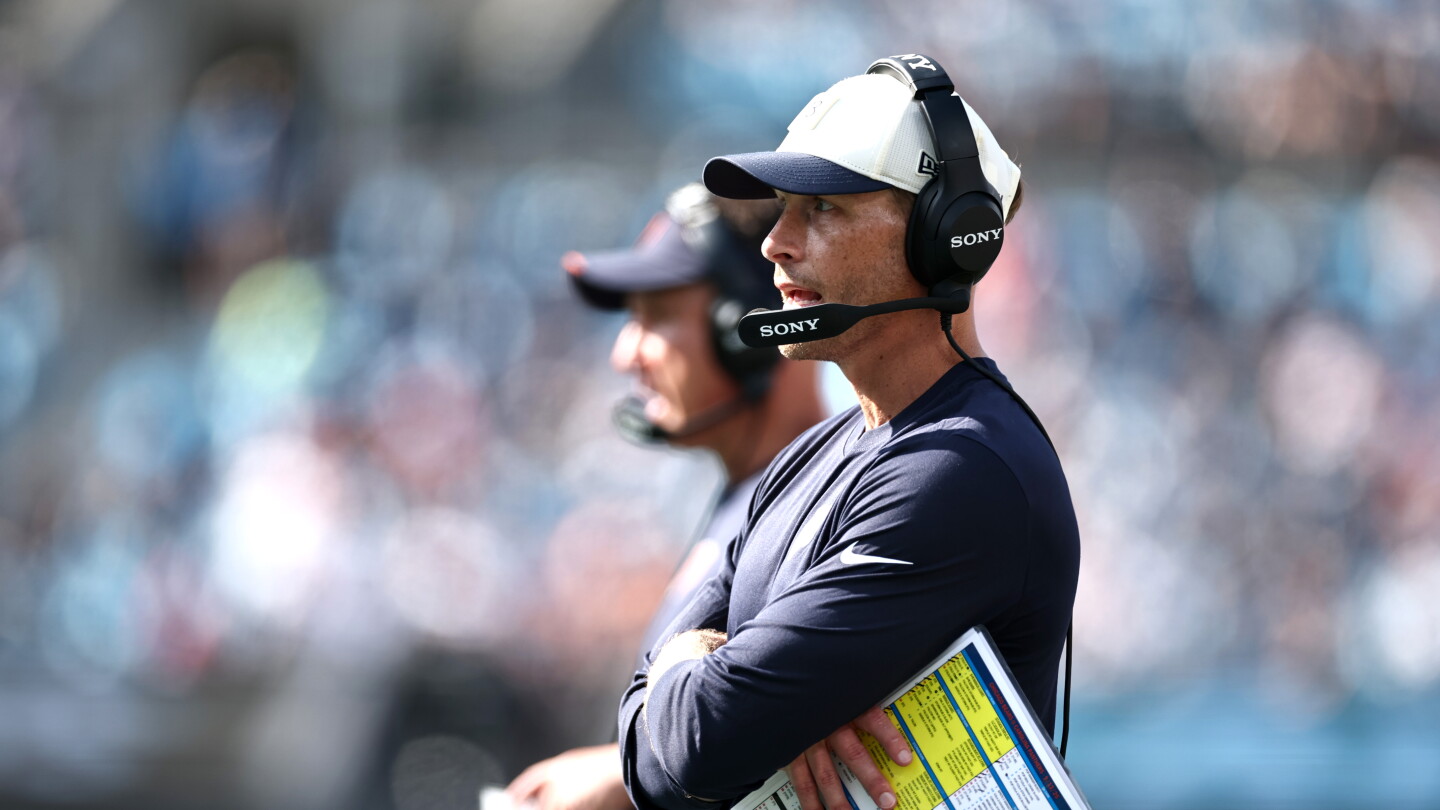
Ben Johnson liked what he saw from Caleb Williams in the final meeting, and the tone around Chicago is shifting fast. This is no soft rebuild talk — it’s accountability.

Arizona Cardinals vs. Los Angeles Chargers: Week 1 Upset Shock
The Cardinals walked into Inglewood as a heavy underdog and walked out looking like a team with some bite. That’s not nothing in this league.