
Billy Ray Smith Jr. Death: Former Chargers LB Dies at 64
A tough, old-school linebacker gone far too soon — and the Chargers’ lineage feels it.
 Zane Miller5 min read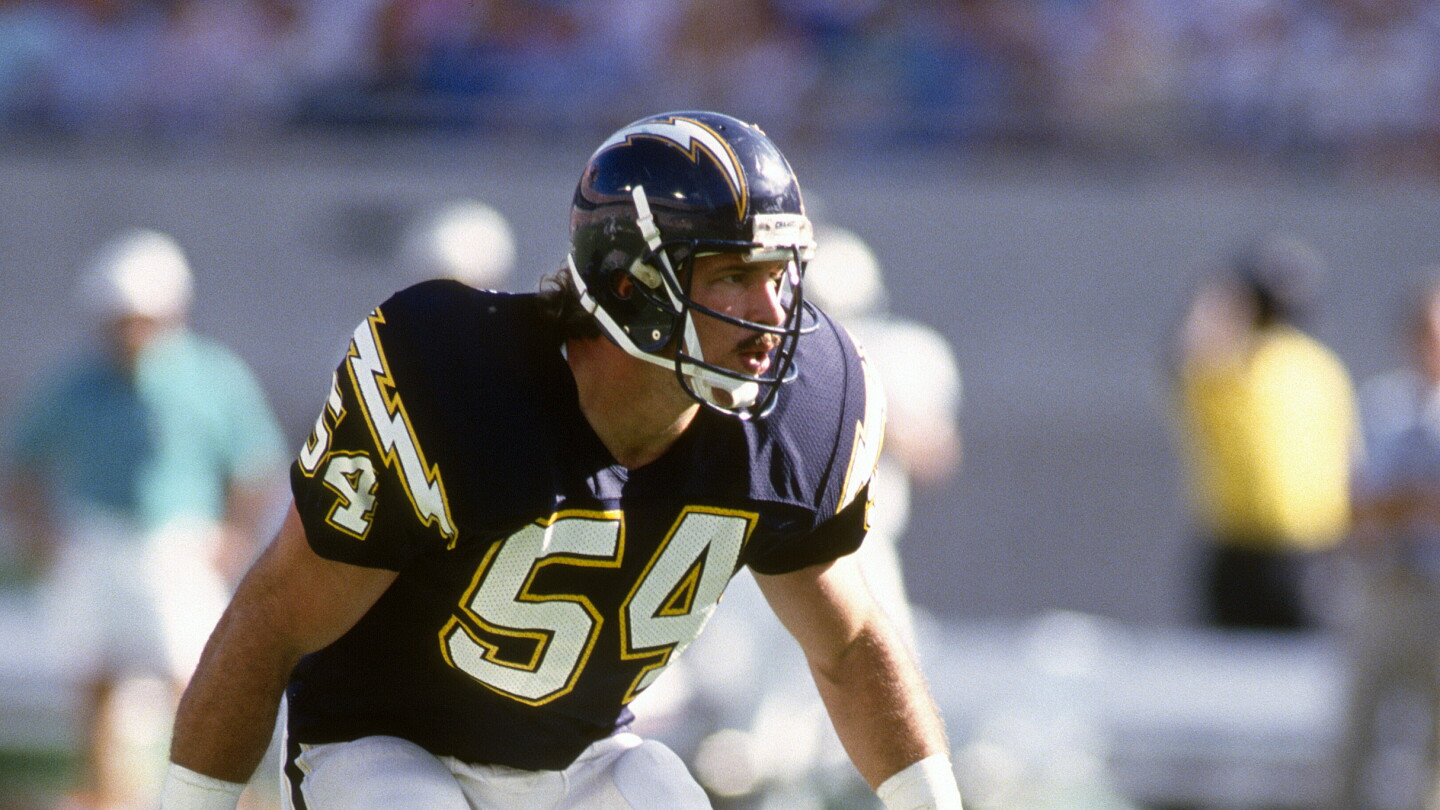
Billy Ray Smith Jr. died Wednesday at 64, and for anyone who followed the Chargers through the years when defense still had a little bite, this one lands hard. Not because he was a headline machine. Because he was the kind of player a franchise remembers when the lights are off and the roster churn has moved on. The family announcement makes the point plain enough: this is loss first, football second. But the football context matters, too.
Smith came out of that sturdy, blue-collar linebacker tradition that used to define San Diego football. He wasn’t built for social-media-era noise. He was built to hit, stack plays, and make life miserable in the middle of the field. That profile ages well with fans because it’s honest. You knew what you were getting. Coaches loved that. Teammates usually do, too.
A Chargers name that still carries weight
Billy Ray Smith Jr. is one of those names that resonates more deeply inside a franchise’s history than on a daily scroll. That’s not a knock. That’s how football memory works. Some players are flash. Others are foundation. Smith belonged to the second group.
The Chargers have lived through eras of explosive offense, quarterback churn, and more branding shifts than anyone would care to count. But the defensive names from the older days still matter because they anchor the identity. The franchise has spent years trying to rediscover consistency on that side of the ball, and that always sends you back to the players who represented toughness before the modern volatility set in.
Smith’s death also reminds you how quickly the league’s past slips past the living conversation. A lot of current fans know the logo, the uniforms, the big moments. Fewer know the line of players who carried the team through the quieter years. That’s where the real institutional memory lives.
Why this hits harder than a standard obituary
This isn’t just another former player passing away. Smith was tied to a football family, and those branches matter in a sport that passes down identity as much as genetics. The name itself has weight around the NFL, and that makes the loss feel bigger than one career arc.
There’s also the age. Sixty-four is young for a man whose life already included the physical toll of big-time football. Nobody needs me to spell out the collision economy of the sport. Fans know what linebacker play demanded then. They know what it can leave behind. The modern conversation around player health has gotten sharper, and it should. Stories like Smith’s don’t exist in a vacuum.
Football remembers the hitters, but their families live with the aftermath long after the stadium noise fades.
The Chargers, like a lot of franchises, have had to become historians of their own uniform. When a former player dies, the team is never just reacting to a headline. It’s reacting to a piece of its identity being folded into memory. That matters to alumni, to the old guard in the front office, and to the fans who still keep the era in their heads like a permanent file.
What it says about the league’s older guard
I’ve always thought the hardest part of covering the NFL isn’t the transactions or the draft board. It’s watching the league’s old guard leave one by one. The sport is built on turnover, but its emotional spine is made of people like Smith — men who played before everything became optimized, packaged, and endlessly clipped for consumption.
From my seat, these losses hit a little differently because they expose how thin the bridge is between eras. Today’s players are operating in a hyper-analyzed ecosystem with nutrition plans, workload tracking, and endless public scrutiny. Smith’s generation played in a more blunt world. You lined up, absorbed the punishment, and kept moving. There’s nobility in that, but there’s also a cost. The NFL has spent years acknowledging it in a much more direct way, and for good reason.
The modern front office crowd understands this better than fans sometimes do. They know former players aren’t just alumni. They’re part of the franchise’s brand equity, its history, its credibility with the community. When one passes, the loss is personal, but it’s also organizational. It’s a reminder that the league’s legacy isn’t built only by current stars and cap sheets. It’s built by the men who gave the shield its older texture.
The memory that remains in San Diego football circles
Even with the Chargers’ long and complicated relationship with their markets and fanbase, players like Smith survive in the memory of people who watched the team before the constant noise of the modern NFL. He represents a kind of football that’s getting harder to find: direct, physical, and unapologetically defensive.
There’s a reason fan tributes for players like this often come from the same places — old game programs, worn jerseys, family photos, and people who can still name the roster without checking a phone. That’s not nostalgia for nostalgia’s sake. That’s the real archive.
Smith’s death will probably lead to the standard wave of remembrance, and it should. The bigger point is simpler: the league keeps moving, but the players who built its local memory do not disappear just because the timeline accelerates. Their names stay pinned to the franchise’s history, and sometimes that’s the only standing ovation they need.
Billy Ray Smith Jr. is gone, but the era he represented isn’t. Not to the people who were there. Not to the players who understand the lineage. And not to the Chargers, who will carry another piece of their past into the next season, whether the schedule cares or not.
More from Straight From The Bench
Comments
Join the conversation — sign in to leave a comment.
Sign in to commentRelated Stories

Chris Olave Saints Extension: New Orleans locks in its WR1
Chris Olave is staying in New Orleans through 2030, and the Saints just put a huge price tag on stability. This is a bet on their passing future—and their quarterback plan.
Seahawks Training Camp Pads: First Full Hitting Day After Super Bowl
Seattle finally turned the volume up at the VMAC. Pads came on, the hitting started, and the first real camp tells you a lot about who’s ready.
.jpg?w=1120&h=630)
Jeff Ulbrich Wife Cristina Ulbrich Dies After Cancer Diagnosis
The Falcons confirmed the death of Cristina Ulbrich, wife of defensive coordinator Jeff Ulbrich, after her cancer diagnosis. The NFL family is showing up the way it should.