
Bo Bichette Mets Opt-In: Queens Gets Another 2027 Run
The Mets keep the bat, the pressure, and the unfinished business.
 Zane Miller5 min read
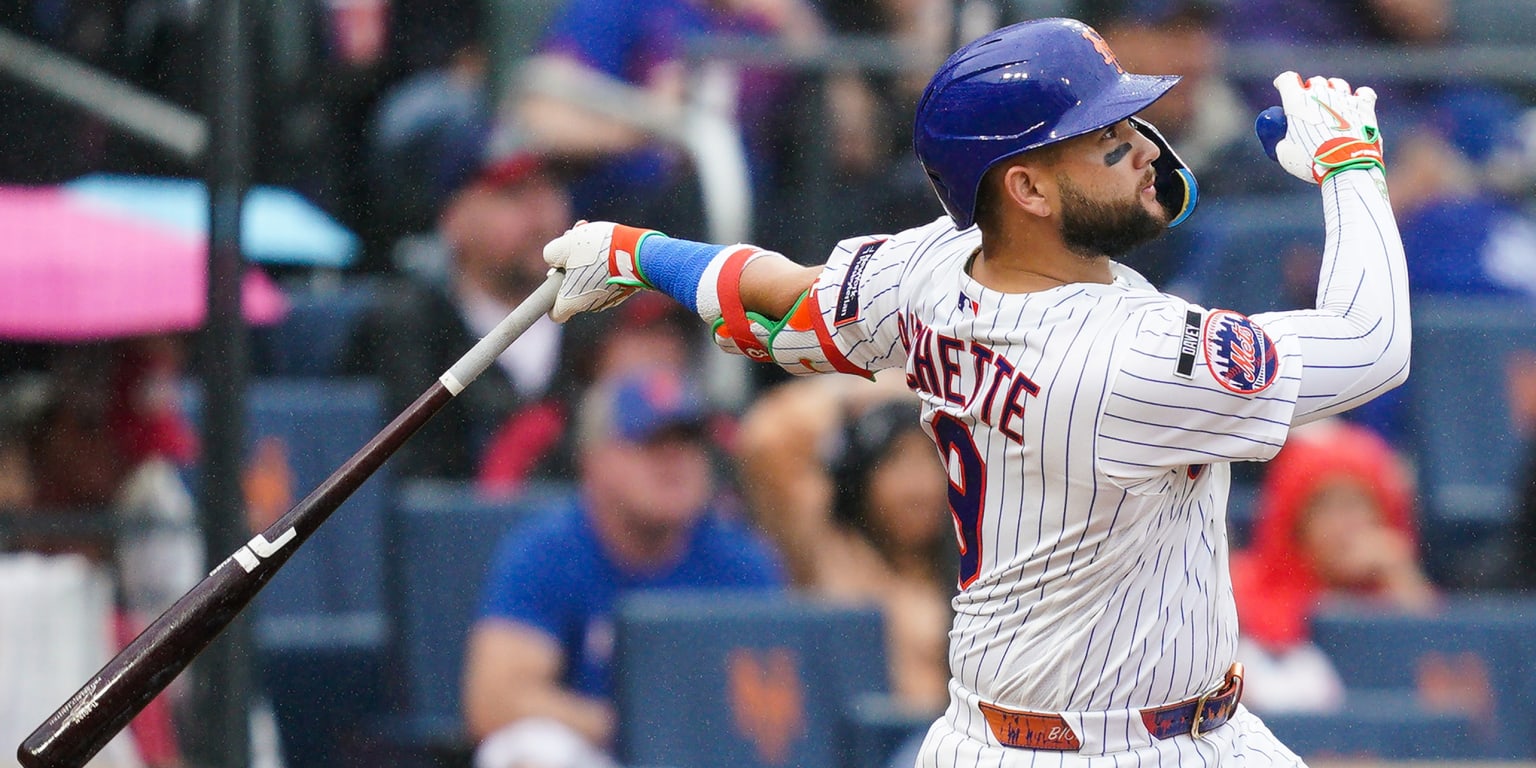
Bo Bichette is not shopping the open market. He is staying right where the Mets wanted him, and that matters more than the paperwork suggests. By bypassing the opt-out and locking in the second season of his three-year deal, Bichette has effectively told the league he’s not interested in resetting the market this winter. He’s betting on continuity. The Mets are betting on the player they expected when they put that money on the table.
That’s a real signal in a sport that lives on leverage, timing, and cold-eyed roster math. The contract was always built with a fork in the road. Bichette could test the market after one year if he wanted. Instead, he stays for 2027 and keeps Queens in the middle of his story.
Queens keeps the roster piece it planned around
The Mets did not spend big to create uncertainty. They spent to build a middle-of-the-order identity and a veteran core that could survive the grind of a long season. Bichette remaining in place gives them exactly that: lineup stability, defensive continuity, and one fewer winter headache.
This is where roster planning gets real. If you’re the front office, the opt-out decision changes how you approach the offseason calendar. You’re not hunting for a replacement shortstop-type bat. You’re not rewriting the infield board. You’re not bargaining from panic. You can keep stacking around a known quantity, and that matters in a league where every good lineup is basically held together by timing and chemistry.
For Bichette, it’s also a statement about fit. Players do not always leave the first chance they get. Sometimes the environment, the role, and the expectation level are worth more than the chase for a fresh number. He chose the known lane.
Why the opt-out decision matters beyond one contract
There’s a reason these clauses are so valuable. They’re not just escape hatches. They’re signals. When a player with real earning power decides not to bail early, it usually says one of two things: either the current deal still stacks up well against the market, or the player believes the next year is where he can create even more leverage.
In Bichette’s case, the safer read is simple. He’s staying put because the arrangement is still worthwhile and the Mets remain a platform worth riding. That’s a win for New York, even if it doesn’t play like a headline-grabber at first glance.
It also nudges the rest of the roster picture. The Mets can keep building around a known infield anchor instead of treating 2027 like a full reset point. In a league where clubs constantly overreact to one winter, that kind of continuity has actual value. It gives the coaching staff a cleaner spring, the lineup a steadier spine, and the front office less dead air in the market.
This is what smart roster management looks like: keep the star, keep the plan, keep the pressure on everyone else.
The Mets avoided another winter bidding war
Nobody in baseball loves the free-agent carousel more than agents, and nobody hates it more than executives when they already know the player they want is entering the market. By staying in Queens, Bichette removed a whole layer of offseason noise.
That’s especially useful for a club that has lived through enough roster noise to know the difference between star power and actual cohesion. You can win the offseason and still lose the season. The Mets know that. So does Bichette.
This also saves the Mets from a familiar trap: paying a premium just to replace a premium. A lot of teams spend themselves into the same position twice. First they acquire the player. Then they pay again because they let the contract get away from them. New York avoids that cycle here.
For fans, the immediate reaction is probably relief with a side of skepticism. Fair. Mets followers have seen enough to know that talent alone doesn’t solve everything. But this is still the right kind of news. It keeps the roster intact. It keeps the bat in the lineup. And it keeps the front office from chasing a problem it already solved.
What this says about the Mets’ larger plan
I’ve said this for years: the smartest teams in baseball are the ones that know when to buy certainty. Not splash. Certainty. That’s what this is.
Bichette staying in Queens tells me the Mets are operating with a clearer sense of their competitive window than they sometimes get credit for. They’re not treating every October as a total referendum on the roster. They’re building around players they believe can carry weight over multiple seasons. That’s how you stop living one bad month away from a teardown.
And from Bichette’s side, I like the move. Seriously. Too many players treat the opt-out like a mandatory exit ramp even when the current spot still gives them power, visibility, and opportunity. Staying put can be the sharper play. One more strong season in the same lineup, in the same market, with the same pressure cooker, and the next contract can look a lot different.
If you want the historical parallel, think of the moves that seem quiet in November but matter in July. Not every major baseball story is a trade deadline grenade. Some of them are a player deciding not to leave the table early. That can be just as revealing.
What to watch next in Queens
Now the attention shifts to how the Mets frame the rest of the winter. Bichette staying removes one major variable, but it does not freeze the roster. There are still lineup questions, pitching questions, and the usual New York expectation tax attached to every move.
The difference is that the club can answer those questions with a steadier core. That’s a better starting point. And if the Mets are serious about turning this into something durable, that core needs to keep producing the way they envisioned when this contract was drawn up.
The best part for New York? This keeps the story moving instead of restarting it. The Mets wanted Bichette in orange and blue for the long haul of this deal, and now they’ve got him for another run.
Watch the market react. The real ripple may not be the headline you already read. It may be the moves the Mets don’t have to make because Bichette just took one more chip off the board.
More from Straight From The Bench
Comments
Join the conversation — sign in to leave a comment.
Sign in to commentRelated Stories

Brewers World Series Parade: Milwaukee's First Title Rolls Home
Milwaukee is celebrating its first World Series crown with a parade that feels bigger than baseball. This is what a championship can do to a city.
Milwaukee Brewers World Series Win: Wisconsin Democrats' Boost
A Brewers championship would electrify Milwaukee. It could also give Wisconsin Democrats a subtle lift in a razor-thin governor’s race.

Milwaukee Brewers World Series Win: Christian Yelich's Night
Christian Yelich and the Brewers got the job done on the biggest stage Milwaukee has ever seen. This one hits different in a city that earned every inch of it.