
Braves Six-Man Rotation: AJ Smith-Shawver Joins the Staff
Atlanta is choosing preservation over panic, and that says plenty about the road ahead.
 Beatrice Kensington6 min read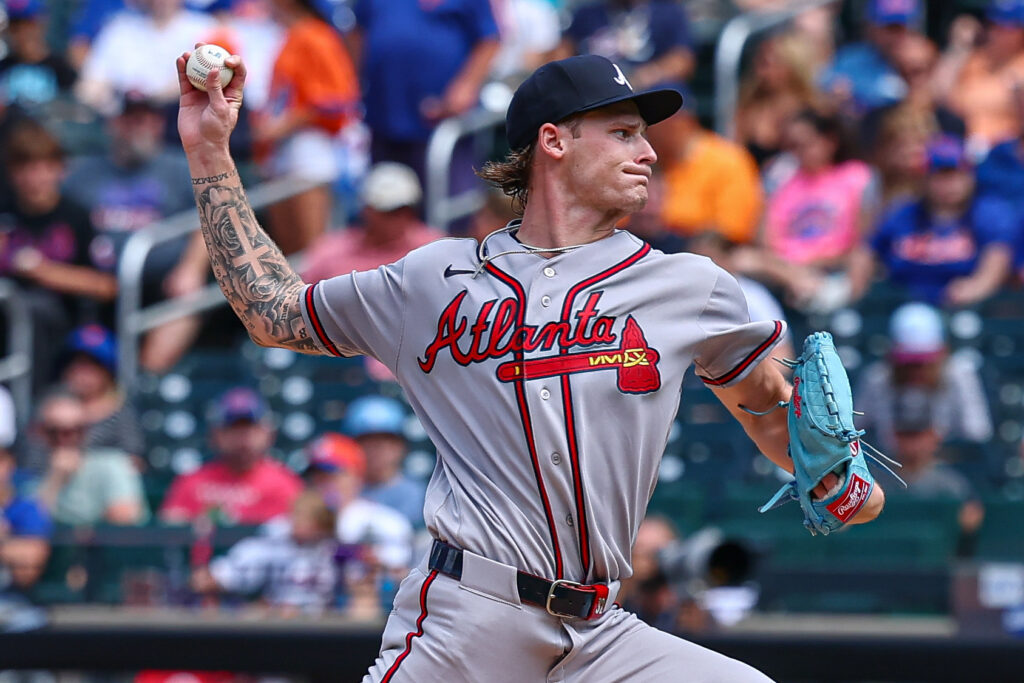
The Braves have made a choice that feels ordinary on the surface and revealing underneath: they are moving to a six-man rotation, at least for the moment, with right-hander AJ Smith-Shawver stepping onto the mound Wednesday after being added to the roster in place of reliever Tyler Kinley. On paper, it is housekeeping. In practice, it is a small sign that Atlanta is trying to buy health, buy time, and perhaps buy a little clarity in a season that has asked for more patience than the club usually likes to spend.
The modern game has trained us to treat the rotation as a pressure point, a place where innings disappear quickly and staff plans become emergency measures. A six-man arrangement is not a revolution, and it is not a surrender. It is a pause button. It tells you the club sees value in easing the burden on its starters, and it tells you just as plainly that Smith-Shawver’s arm is important enough to warrant a real look rather than a ceremonial cameo.
Smith-Shawver’s turn is the headline hidden inside the move
The roster shuffle itself is the kind of transaction that can vanish from memory by the next homestand. The more meaningful detail is the pitcher on the way up. Smith-Shawver is no anonymous fresh face; he is one of those young arms whose every inning carries a little organizational theater with it. Teams do not hand out starts casually, especially not to a prospect or depth arm in a clubhouse that still expects to compete every night.
By inserting him into the rotation, Atlanta is signaling that it wants more than survival innings. It wants to see whether there is a live wire here, whether his stuff can miss bats and navigate a lineup twice, maybe three times, without the seams coming apart. The Braves have lived long enough in the high-stakes business of contention to know that these auditions matter. They are how a season discovers its own emergency exits.
The move also changes the texture of the staff. A six-man rotation gives pitchers an extra day, and sometimes that single day is the difference between a body holding together and fraying at the edges. The cost, of course, is fewer opportunities for your best arms to pile up innings. Baseball has always been a tradeoff machine.
Why Atlanta is reaching for rest now
There is a practical logic here that goes beyond one pitcher. The MLB calendar is relentless, and every contender eventually runs into the same wall: fatigue does not announce itself with trumpets. It shows up as a fastball that loses a mile and a half, a slider that hangs, a starter who suddenly can’t finish the sixth. By the time the danger is visible, it is often already expensive.
Atlanta is protecting its larger investment. A six-man rotation can be a luxury for teams with the depth to absorb it and the ambition to preserve their core for the long haul. It also suggests the Braves are thinking about the shape of the season, not just the next series. That matters. A club that plans only for tonight usually wakes up in September with thinner options and too much regret.
There is another layer, too. When a team shifts to six starters, it often reflects a desire to keep younger pitchers from being overwhelmed by workload spikes. That is not merely cautious; it is modern. Pitching development has become a balancing act between performance and preservation, and organizations that ignore that balance tend to pay for it later with injuries, lost velocity, or both. If you want a related example of how fragile the supply line can be, look no further than the ripple effects in other clubhouses, where one injury or one absence can rearrange an entire plan overnight, as seen in our recent look at the Tyler Biadasz ACL injury update.
The real test: can the Braves keep their edge with one more arm in the mix?
A six-man rotation can calm a staff, but it can also dull rhythm if the roster is not built for it. Starters are creatures of routine. Hitters are, too. Everyone likes to know the cadence of the week. Alter that cadence and you can gain rest while losing sharpness. The trick is getting the benefit without blunting the competitive edge.
That is where Atlanta’s version of this experiment will be judged. If Smith-Shawver gives them competent innings, the move reads as a smart management decision. If he gives them something better — a little life, a little swing-and-miss, a reason to believe he belongs — then the Braves may have stumbled into a useful bridge, not just a temporary patch. If he struggles, the rotation math gets messier and the margin for error shrinks.
This is not just about rest. It is about whether Atlanta can turn necessity into a usable future arm.
I have always thought the most revealing baseball moves are the ones that seem too modest to matter. Those are the ones clubs make when they are trying to protect a season from itself. A six-man rotation is not glamorous, and it does not trend for the right reasons unless something has already gone wrong. Still, I admire the restraint. The old instinct in a pennant race was often to squeeze harder; the better instinct now is to breathe.
What Atlanta is doing feels like a team acknowledging a truth the sport has become unwilling to deny: October is not won by exhausting your people in June and July. The teams that endure are usually the ones that leave a little something in the tank, the ones willing to resist the seduction of every extra inning. If Smith-Shawver can be part of that conservation, the Braves will have made a wise, unspectacular move — which is often the most durable kind.
What to watch when Smith-Shawver takes the ball
Wednesday’s start will not settle anything by itself, but it will tell us plenty. Watch the fastball command early, because young starters often live or die on whether they can land strike one without nibbling. Watch how the Braves deploy the rest of the week, because the shape of the rotation around him will show whether this is a brief adjustment or the start of a longer rethink. And watch the bullpen workload. A six-man setup only works if the innings are distributed cleanly behind it.
If the team gets the balance right, this will look like one of those quiet, useful pivots that disappear into the standings and the standings alone. If it does not, Atlanta will have learned something anyway. Baseball has always charged tuition for its lessons.
For now, the Braves have chosen the gentler road. We will see whether it leads to October with more strength, or only with more questions.
More from Straight From The Bench
Comments
Join the conversation — sign in to leave a comment.
Sign in to commentRelated Stories

Padres coach detention update: Oswaldo Pirela faces removal
The Padres are now dealing with more than roster churn. Oswaldo Pirela’s detention at El Paso puts the club in the middle of a far bigger conversation.

NL MVP Race: Pete Crow-Armstrong vs Shohei Ohtani
Shohei Ohtani still owns the aura. Pete Crow-Armstrong is making the actual race uncomfortable. The NL MVP debate just got real.

Yankees injury updates: Fried, Bellinger and Judge trending right
Max Fried’s elbow scare didn’t spiral, Cody Bellinger is moving better, and Aaron Judge is still on track. That’s a real win for a Yankees roster built around stars.