
Bryce Harper FanDuel Controversy: What the Video Means
A small clip, a large unease — and a star learning how thin the line has become.
 Beatrice Kensington6 min read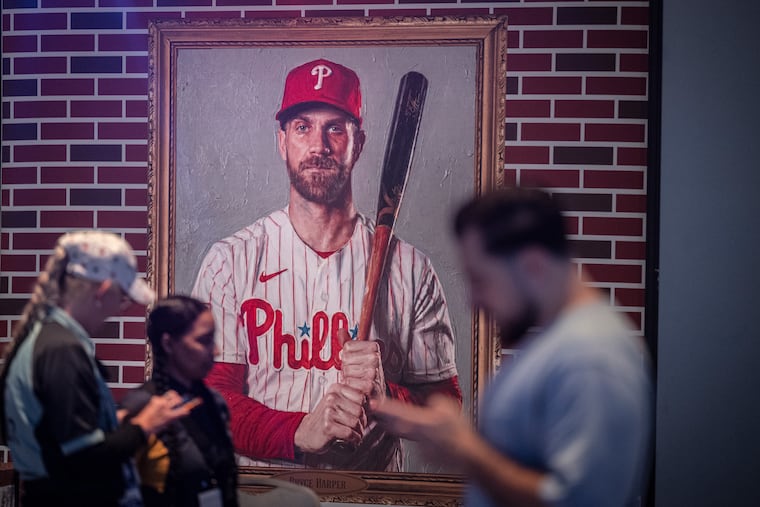
Bryce Harper has spent most of his career as baseball’s hard-edged showman, a player built for neon, noise, and the kind of theater that makes a ballpark feel like a civic event. This is a different sort of stage. One 21-second video, made for a FanDuel VIP customer, has pulled the Phillies star into a conversation about gambling, celebrity, and the sloppy moral architecture that now surrounds sports entertainment.
Harper says he did not know the clip would be used for commercial purposes. That matters. It may not erase the discomfort, but it changes the frame. A private-style message is one thing; a polished endorsement is another. Yet in the same breath, the video reportedly includes the company’s name, which leaves a residue of ambiguity that the public rarely resolves generously when money and addiction are in the same room.
A star, a sportsbook, and a line that keeps moving
The modern athlete lives in a marketplace that would have been unthinkable even a decade ago. Sportsbooks are not merely advertising during games; they are threaded through the viewing experience itself, from pregame reads to odds tickers to social media tie-ins. The gambling industry has learned what all powerful industries learn eventually: if you can borrow a trusted face, you can borrow trust.
That is why Harper’s case lands with unusual force. He is not some anonymous former player cashing a licensing check. He is Bryce Harper, a franchise face, a man whose bat and swagger have helped define the modern Philadelphia Phillies. When a player of that stature appears in a gambling-related context, it does not register as a one-off. It becomes part of the cultural weather.
And gambling is no longer a side alley of sports culture. It sits in the front row. The Philadelphia Phillies do not control that ecosystem, but they live inside it, as does Major League Baseball, which has spent years walking a careful line between the revenue of legalized betting and the fragility of the sport’s integrity.
The addiction question changes the temperature
This is not simply a debate about branding. The fact that the video reached a FanDuel customer with a gambling addiction gives the story its moral heat. A personalized message becomes more than marketing in that context; it becomes a reminder of how targeted modern commerce can be, and how often the people most vulnerable to a product are also the easiest to reach.
Gambling companies do not just sell odds. They sell familiarity, access, and the illusion that the game and the customer are in on the same joke.
That is why sports fans have become more skeptical, even weary, of the constant blur between competition and wagering. The leagues have normalized the language of “responsible gambling” while surrounding viewers with prompts that encourage exactly the opposite impulse. The industry speaks with two mouths, and most people notice.
For Harper, this is not the first time his public image has carried a burden larger than baseball. Stars at his level are expected to be everywhere and to mean everything, often without any real protection from the consequences of how their likeness is packaged. The athlete signs a form, shoots a greeting, maybe records a birthday message or a congratulatory note, and then the clip drifts into a system he does not fully control. That is not innocence, exactly. It is also not full authorship. Most modern scandals begin in that gray zone.
What Harper’s explanation does and does not solve
Harper’s claim that he did not know the video would be used commercially may satisfy some fans and frustrate others. It is plausible enough on its face; it is also incomplete. Anyone who has watched the sponsorship machinery around pro sports knows how easily “personal” and “promotional” can merge. If his name is being used to sell, even indirectly, then the issue is less about a single misunderstanding than about a system that relies on selective ignorance.
That is where the league and the player association ought to be looking, too. Baseball has long been haunted by the moral romance of gambling, from the Black Sox to Pete Rose and the sport’s eternal self-interrogation over who gets to profit from the game and who gets punished for touching it the wrong way. The present era is different in scale and polish, but not in principle. Money still has a way of dressing itself up as harmless entertainment.
I find the reaction around Harper revealing because it shows how quickly fans can distinguish between a player using his celebrity and a player being used by the machinery around him. I do not think every athlete is morally responsible for every misuse of every clip bearing his face. But I do think the biggest names in sports should be more alert to the industries they help legitimize. Celebrity is not just a spotlight. It is an amplifier.
And there is a broader warning here for baseball, which has leaned heavily into betting partnerships while hoping the public will compartmentalize the ethical cost. Fans are asked to care deeply about the sanctity of the contest and to accept, almost in the same breath, that the contest is also an interactive gambling platform. Those two ideas do not sit comfortably together. They never have.
The Phillies have a star problem, and a culture problem
Harper remains one of the rare athletes whose presence can still bend a city’s mood. That is why this episode matters more than a routine PR cleanup. When a star like Harper gets caught in the orbit of gambling controversy, even indirectly, it threatens to tint the whole enterprise around him. The Phillies do not need another reason for fans to wonder where baseball stops and the betting window begins.
It also tells us something about the new contract between athletes and the public. Once, the central anxiety was whether a player could handle the pressure of winning. Now it is whether he can navigate a thousand off-field arrangements without becoming a symbol for somebody else’s business model. That is a less dramatic kind of risk, but a more constant one.
Sports have always borrowed from the age they live in. Right now, the age is transactional, distracted, and fond of calling exploitation partnership. Harper’s name sits squarely inside that tension.
The next question is not whether this story fades. It will. The real question is whether the people around the game keep pretending that these collisions are accidental. They are not. They are the design.
More from Straight From The Bench
Comments
Join the conversation — sign in to leave a comment.
Sign in to commentRelated Stories
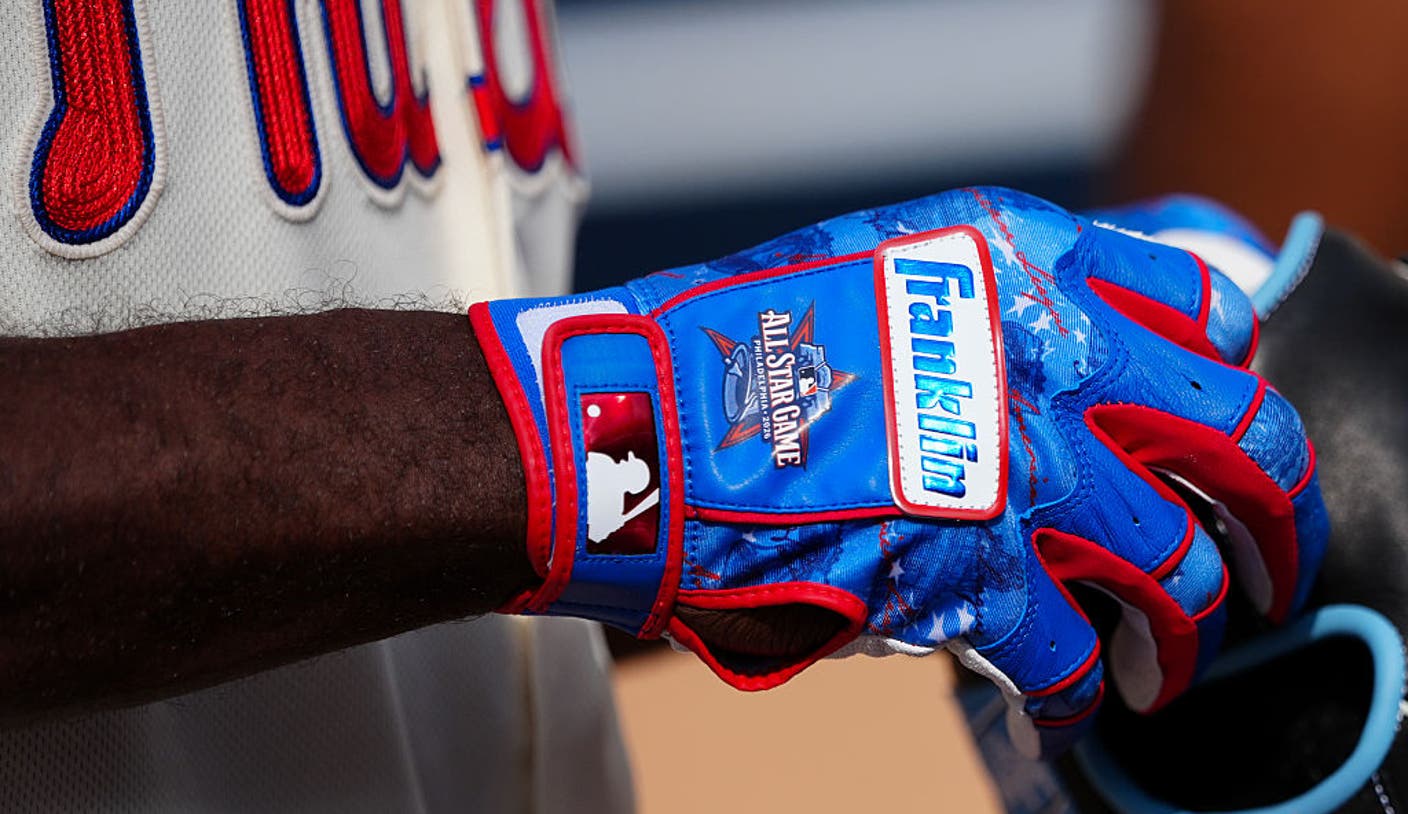
2026 Home Run Derby: Time, Streaming, Participants and Format
The 2026 Home Run Derby lands in Philadelphia with a new swing-based format and a Netflix-only stream. Here's what matters and why it feels different.
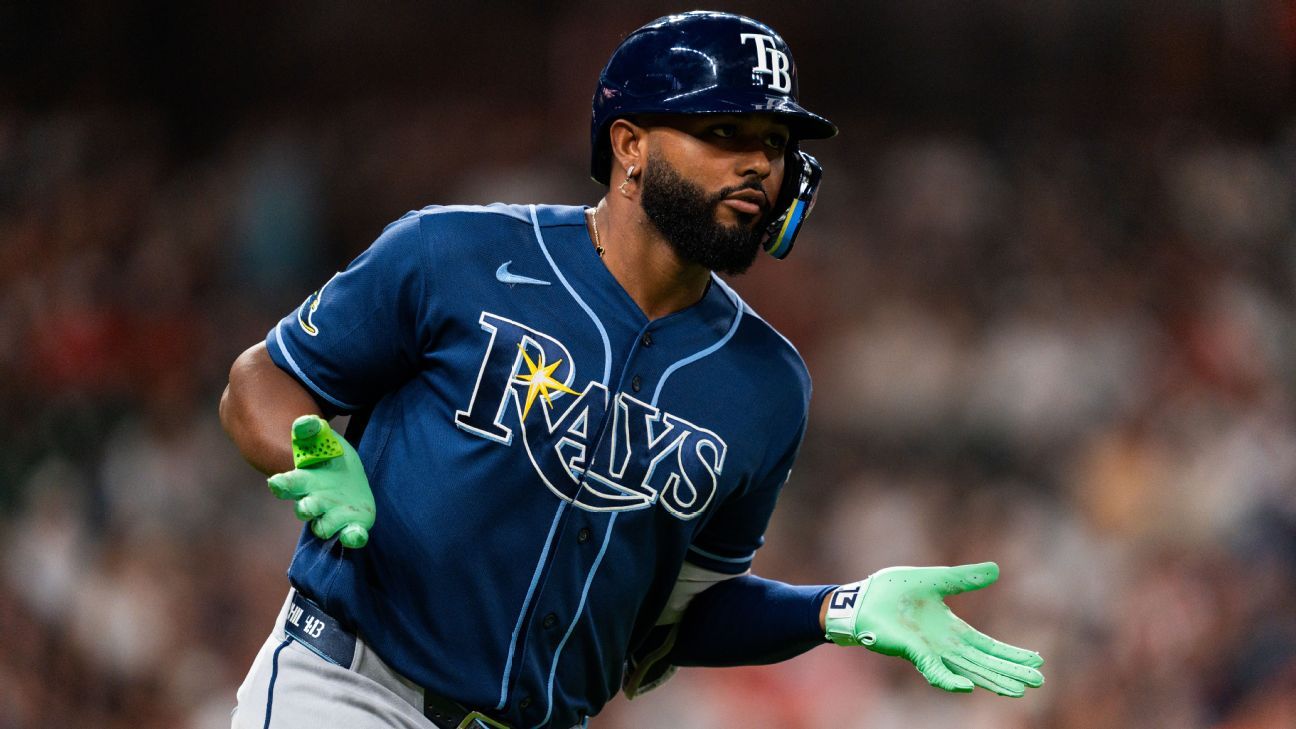
2026 MLB Home Run Derby: Contestants, coaches and fathers
The Derby keeps selling the same dream: one night, one bat, one blast. This year’s field is built for theater, with family in the cage and pressure in the stands.

Red Sox Playoff Race: 9-0 Road Trip Opens the Door
A 9-0 trip changed the math and the mood. The Red Sox are back in the wild-card fight, and the break couldn’t have arrived at a better time.