
Caitlin Clark doesn’t need the noise — but the WNBA needs to own it

Caitlin Clark stood in front of a microphone and did what stars almost never get enough credit for: she said the quiet part out loud. Not with a slick sound bite. Not with a rehearsed smile. Just a flat, tired honesty that cut through the swamp of commentary around her latest collision, the latest debate, the latest attempt to turn a basketball play into a referendum on the whole league.
Clark’s five-minute statement Friday landed because it felt like an athlete speaking from inside the storm, not above it. She acknowledged the scrutiny, the hate, the noise that has attached itself to every hard screen, every whistle, every replay frame. And in one clean line — “I’m not a robot” — she reminded everyone that the most watched player in the WNBA is still a 22-year-old guard trying to survive a season that asks her to be all things to all people.
The foul was the spark. The reaction was the fire.
The actual basketball moment matters, obviously. A flagrant-2 foul is not a shrug-and-move-on play. Those calls carry edge, consequence, and the league’s old, familiar reminder that physicality has a limit. But in Clark’s case, the foul was never going to stay just a foul. Nothing involving her does anymore.
That’s the problem and the reality. Clark is not just a rookie, not just a scorer, not just a magnet for packed arenas. She is the center of gravity for a league in the middle of an explosion in attention. Every bruise around her gets replayed like evidence. Every defending player gets turned into a symbol. Every clipped reaction online becomes a culture war in sneakers.
What Clark said Friday was bigger than one incident because it exposed the burden of being the league’s most visible face. She is being asked to absorb hard contact, carry an offense, answer for the discourse, and somehow remain polished enough to never sound rattled. That is a ridiculous standard. It is also the standard modern sports media, and a loud corner of the fan base, has built around her.
The Fever need Clark playing basketball, not playing diplomat
For the Indiana Fever, this is where the line gets dangerous. The Fever need Clark on the floor, aggressive and attacking, not managing the emotional fallout of every possession. When the conversation shifts from pick-and-roll reads and shot selection to whether the sport is treating her fairly, the team loses oxygen.
That doesn’t mean the attention is bad. It has lifted the Fever into must-watch territory and changed the league’s television ecosystem almost overnight. But there’s a difference between attention and distortion. The Fever can benefit from Clark’s stardom without letting every dispute become a personality test.
A smart franchise protects its star by narrowing the frame. Keep the conversation on basketball. Let the officials officiate. Let the league enforce its own standard. And let Clark do the one thing nobody else can do for her: bend defenses with a deep shot and a quick first step.
That part still matters most. It always will.
The WNBA’s spotlight is brighter. That means the shadows are too
There’s a reason this keeps happening around Clark, and it isn’t complicated. She arrived with huge expectations, a national audience, and a style that invites admiration and resentment in equal measure. That mix is gasoline. The WNBA is thriving because people are watching every inch of it now, and the sport is paying the price for being seen this intensely.
Leagues love the upside of new attention. They do not love the mess that comes with it. The mess, though, is part of the deal. More eyes mean more overreaction. More overreaction means every hard foul gets framed as intent, every disagreement becomes a referendum on respect, and every star is forced to explain herself for the benefit of people who were never going to listen anyway.
Clark’s response felt smart because it was human. She didn’t pretend the noise doesn’t get to her. She didn’t hand out a TED Talk. She basically said: I hear it, I live it, I’m still here.
The league doesn’t need Caitlin Clark to be made of steel. It needs everyone else to stop pretending she should be.
What comes next is bigger than one postgame moment
Watch the next few Fever games. Watch the tone from opposing teams. Watch how officials manage the physicality. Watch whether the league lets this conversation drift into the usual online trench warfare or steps in with something firmer.
Most of all, watch Clark. Not for the outrage. For the basketball. If she keeps scoring, keeps handling pressure, keeps speaking with the same blunt control she showed Friday, the noise will eventually get bored. It always does.
Until then, she’ll keep carrying a league that is still figuring out how to handle the weight of its own spotlight.
Comments
Join the conversation — sign in to leave a comment.
Sign in to commentRelated Stories

Storm Clouds Push England-Mexico Into a Different Kind of Test
A round-of-16 date in Mexico City is already carrying pressure. Now the weather may decide when England and Mexico actually get to play it.
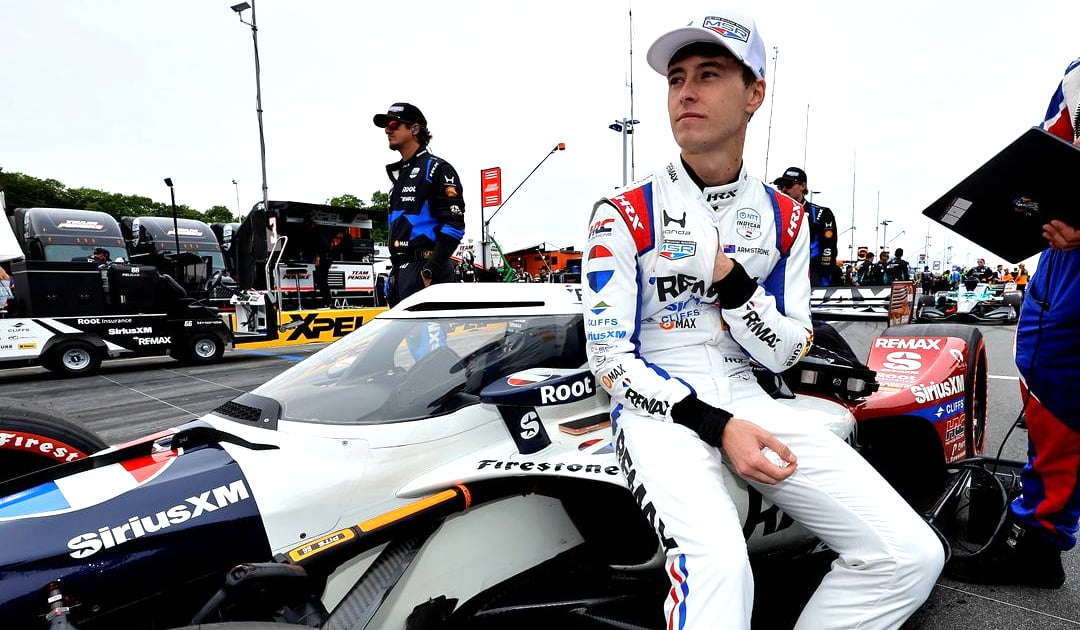
MSR locks in Marcus Armstrong, hands him the No. 60 for 2027
Meyer Shank Racing has its next move lined up: Marcus Armstrong is staying put on a multi-year deal and taking over the No. 60 Honda.
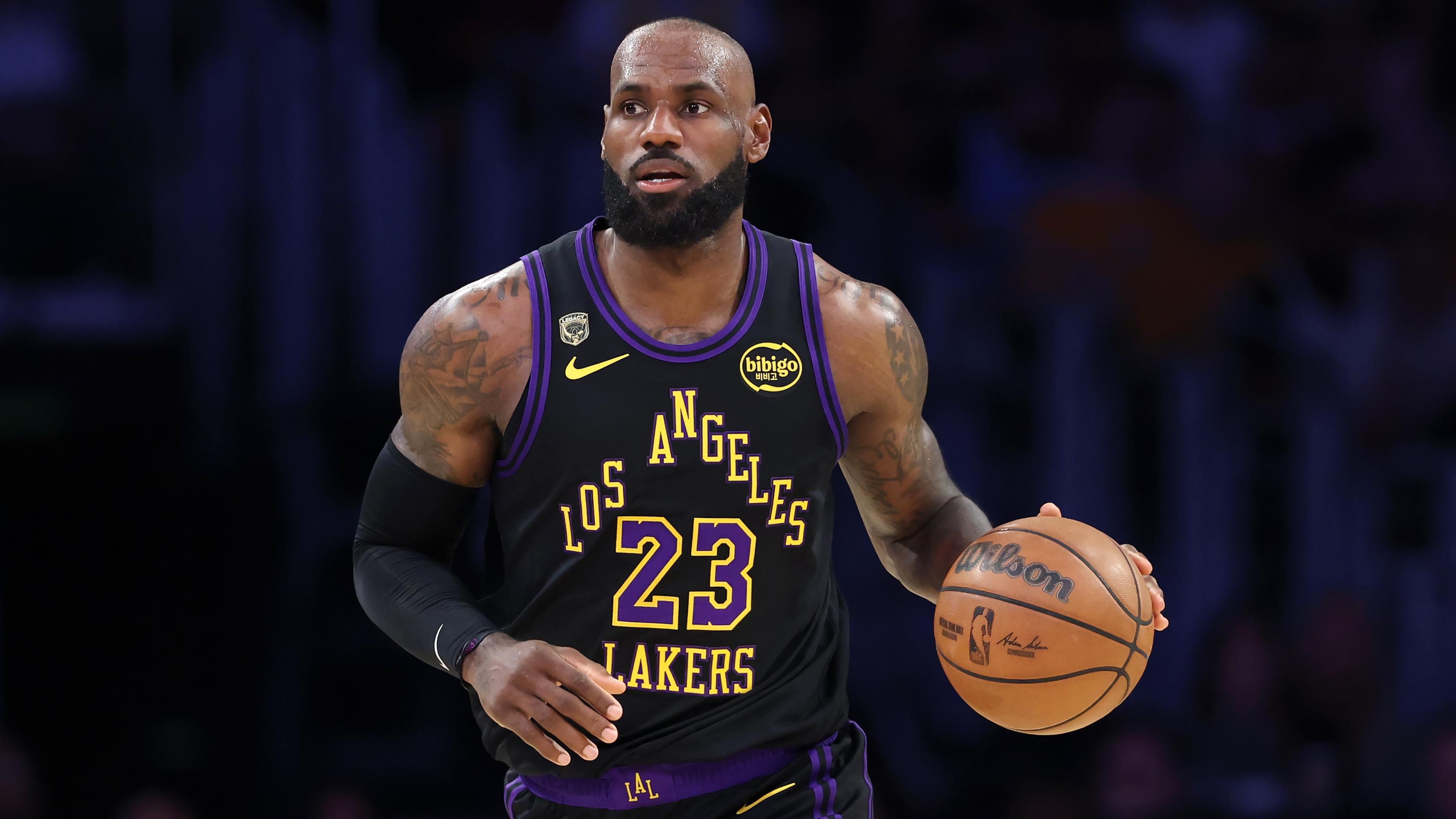
Rich Paul’s Photo Adds Fuel to the LeBron Next-Team Buzz
LeBron James’ future is already the NBA’s favorite offseason soap opera, and Rich Paul just added more smoke to the fire.