
Storm Clouds Push England-Mexico Into a Different Kind of Test

A World Cup knockout match in Mexico City already brings the heat, the altitude and the noise. Add storm clouds and a delayed kickoff, and suddenly this one feels less like a calendar adjustment and more like the tournament reminding everybody who is really in charge.
England and Mexico were supposed to meet Sunday at 6 p.m., but the threat of storms has pushed officials toward an earlier start. That sounds like a small procedural wrinkle. It is not. In a round of 16, timing is never just timing. It affects recovery, preparation, crowd flow, television windows and, most of all, the rhythm of the night itself.
A knockout game that already had enough tension
This is England versus Mexico, in Mexico City, in a World Cup elimination match. That alone gives it enough edge. The altitude changes the legs. The home crowd changes the volume. The stakes change every pass into a small referendum.
Now the weather is creeping into the script.
Moving kickoff earlier is not just about keeping the pitch playable. It is about avoiding the kind of storm delay that can break up a match’s tempo and turn the whole thing into a stop-start mess. Teams build their plans around warmups, hydration windows, and the body clock. A few hours is not nothing. Coaches hate it because preparation is a chain, and once one link moves, everything else rattles.
For England, that can cut both ways. If you are the team that wants the game to settle into structure, a changed schedule can be a nuisance. If you are the team trying to survive a hostile environment, any uncertainty is a small gift. Mexico, meanwhile, knows every inch of the setting and probably welcomes anything that keeps the night from turning into a weather lottery.
Mexico City, altitude, and the strange advantage of discomfort
Mexico City is not a neutral stage in any normal sense. The altitude alone changes how teams breathe, press and recover between sprints. Add a knockout match and the margin for error gets thinner. Players think they are ready for it, and then the second half arrives and the match starts asking harder questions.
That is why the weather piece matters. If storms force an earlier kickoff, the opening phase could become even more important. The team that starts cleanly may be the one that controls the noise before the conditions get weird. The team that gets dragged into chasing possession, or into a rash early foul count, could find the whole thing slipping away before the tactical battle really forms.
There is also the practical side, which fans often ignore until it becomes a mess. Travel around a huge city changes. Stadium arrival times change. Broadcasters scramble. Supporters who planned for a 6 p.m. kickoff suddenly have to reorganize their day. A one-off adjustment can feel minor to people watching from home, but in a World Cup knockout it touches everybody in the chain.
And there is a reason tournament organizers are so careful about weather. One thunderstorm can turn a showcase match into a safety issue in a hurry. Nobody wants a World Cup round of 16 remembered for standing water and bad lighting instead of the football.
England’s burden, Mexico’s surge, and the referee in the sky
England arrives with the usual burden that follows the badge. England national football team matches in major tournaments are never just matches. They are examinations of whether the talent can carry the emotion.
Mexico, on the other hand, gets to lean into the familiar underdog energy that home crowds can supercharge. In these moments, the host nation does not need to be perfect. It needs to be stubborn, organized, and just irritating enough to make the favorite feel the clock.
In knockout football, weather is not a sideshow. It is another opponent.
That line sounds dramatic because it is true. Rain changes ball speed. Wind changes service. Moisture changes footing. A delay can cool off a hot start or give a defending side time to reset its nerves. The better-prepared side is not always the better side. The better-adjusted side usually is.
If this kickoff moves up, England’s coaches will be drilling the same message: don’t waste the first 15 minutes. Mexico’s message will be the mirror image: make the visitors feel the place early, then make them chase it. Simple on paper. Miserable in practice.
What to watch if the start time changes
The first thing to watch is how quickly the players settle. An earlier kickoff can make a stadium feel less like a party and more like a hurried appointment. That matters in Mexico City, where atmosphere is part of the force field.
The second is body language. If either side looks rushed in the opening exchanges, that is usually the canary in the coal mine. A sloppy first touch, a late press, a cheap foul near midfield — these are the little signs that the schedule change has seeped into the match.
The third is whether the weather actually becomes part of the story or just hovers over it. If the sky holds, the move feels prudent. If the match starts with urgency and ends with clean conditions, the adjustment may fade from memory. If storms still crash the party, then the early start will look like the smartest decision of the tournament window.
This is the kind of detail people dismiss until they are stuck watching a 120-minute grind under ugly conditions. Then they understand that World Cups are shaped by more than lineup sheets.
The schedule tweak is a reminder that tournaments are living things, not fixed television products. England and Mexico will still have to settle this on the grass. But on Sunday, the sky may get a vote too.
If the kickoff does move, the opening whistle just got a little more important than usual. The team that handles the chaos first may own the night.
Comments
Join the conversation — sign in to leave a comment.
Sign in to commentRelated Stories

Caitlin Clark doesn’t need the noise — but the WNBA needs to own it
Clark spoke plainly about scrutiny, hate and the storylines spun from one hard foul. The league’s biggest draw is now carrying the weight of every argument around her.
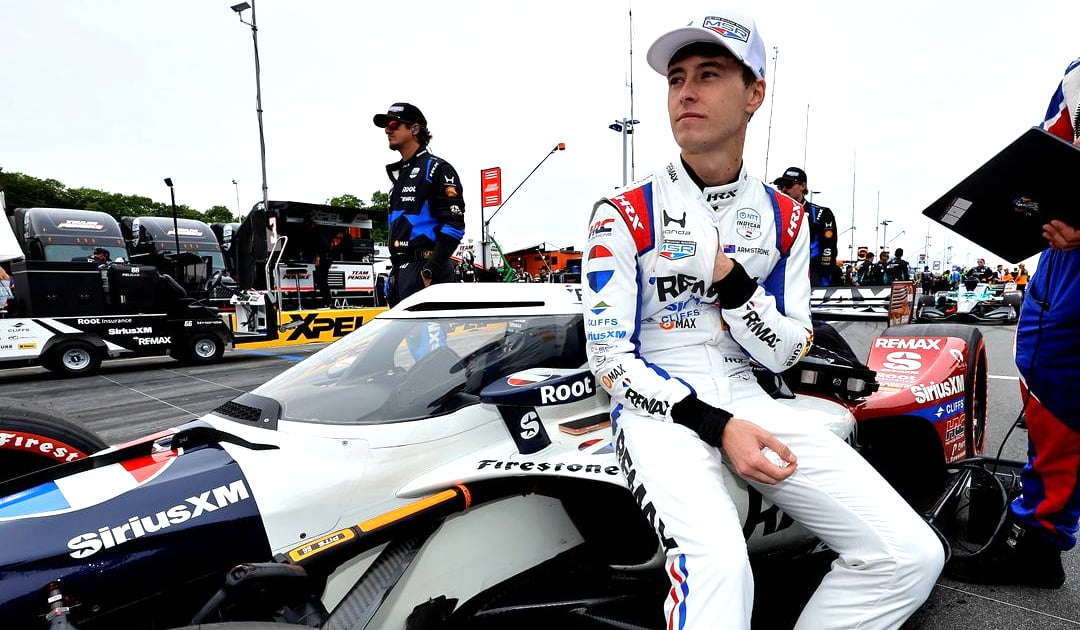
MSR locks in Marcus Armstrong, hands him the No. 60 for 2027
Meyer Shank Racing has its next move lined up: Marcus Armstrong is staying put on a multi-year deal and taking over the No. 60 Honda.
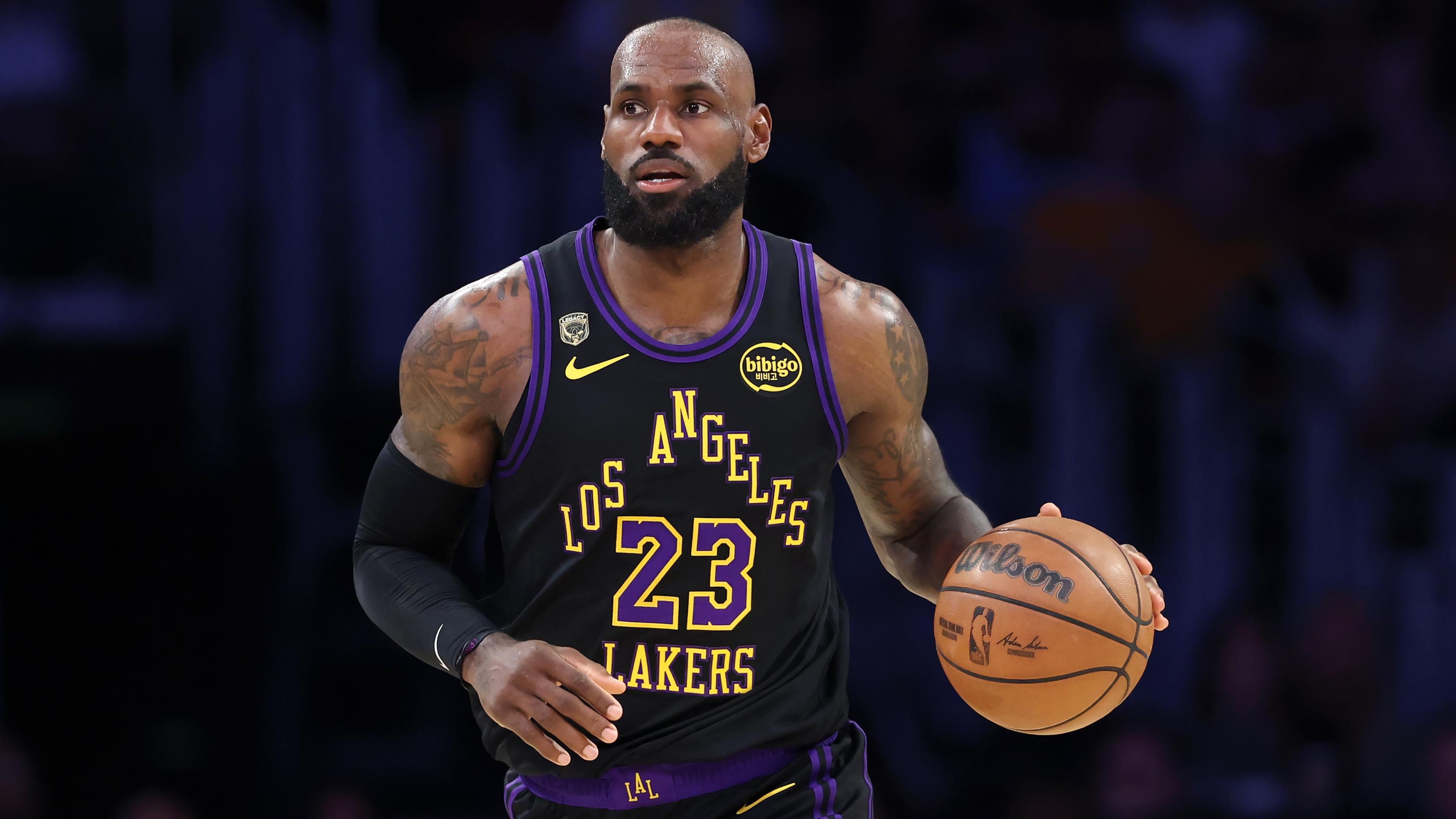
Rich Paul’s Photo Adds Fuel to the LeBron Next-Team Buzz
LeBron James’ future is already the NBA’s favorite offseason soap opera, and Rich Paul just added more smoke to the fire.