
Caitlin Clark Team USA Bench Role: Why China Opener Mattered
The rookie glare got parked for a night. That’s basketball, kid.
 Leo Lupo5 min read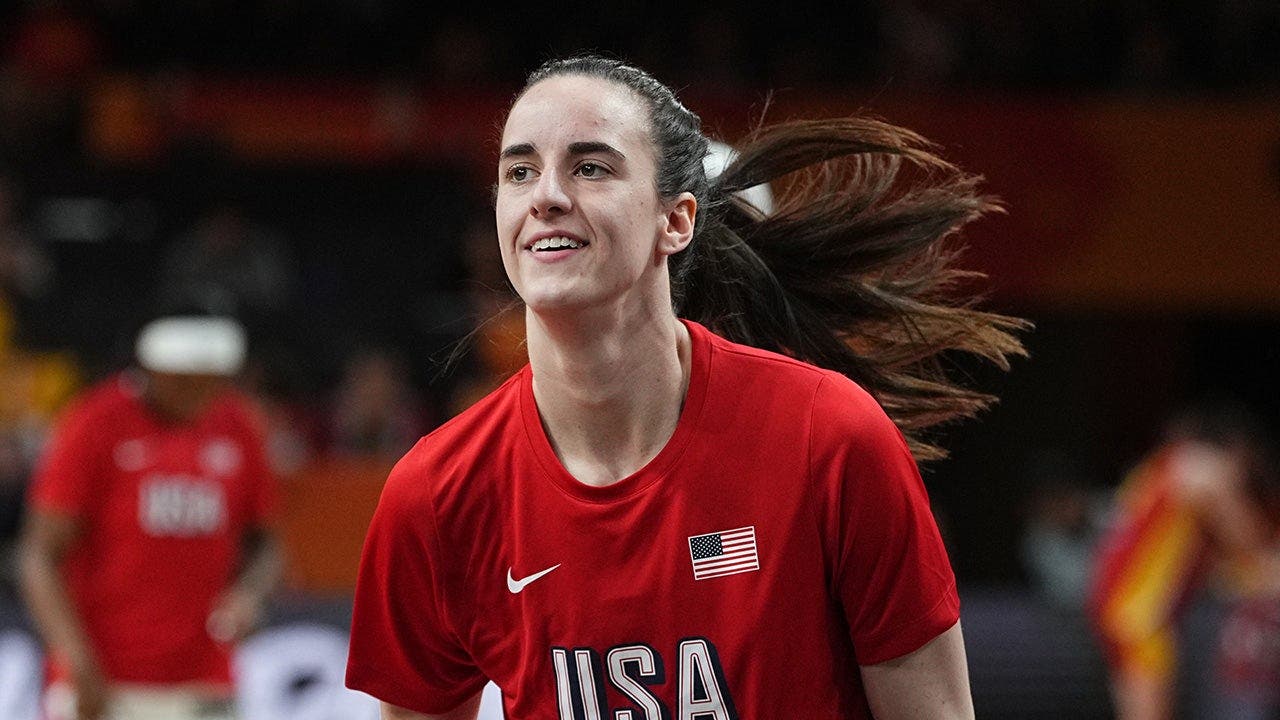
Clark didn’t get the starter’s chair, and that says plenty
Caitlin Clark walked into her first senior international game with all the noise in the building and none of the guarantees. Team USA opened against China with Chelsea Gray and Jackie Young) in the backcourt, not Clark, and that was the call. Clean, deliberate, old-school basketball decision. No tribute minutes. No marketing parade. Just a coach choosing the lineup she thought best fit the game in front of her.
And that’s how it ought to be. International play has never cared much about your social media following or the size of your college highlight reel. It cares about spacing, defense, poise, and whether your guards can keep the thing from turning into a sandlot scrum. Clark’s debut came with a little less sparkle than the crowd wanted, but a lot more truth than the hype merchants can handle.
Kara Lawson went veteran, not viral
Kara Lawson didn’t dress this thing up. She leaned on experience, which is what coaches do when the whistle gets swallowed and every possession turns into a wrestling match. Gray has seen every kind of trap a defense can throw. Young brings two-way stability. That matters in a tournament opener, especially against a team like China that can make you work for every clean look.
Clark coming off the bench doesn’t mean she’s buried under the depth chart. It means the staff is asking a simple question: how do we get the best version of this roster on the floor, right now? That’s the adult conversation. Not “who’s the biggest name.” Not “who sold the most jerseys.” Basketball is still a five-on-five game, last I checked, and starters are often just the first set of fingerprints on the game plan.
The bench isn’t a demotion in international basketball. It’s usually a sign the coaches trust the veteran wheels more than the rookie shine.
The fit question is bigger than one opener
Clark’s whole career has been built on gravity. Defenses tilt toward her. Teammates benefit from the ripples. That plays in the WNBA, where pace and space can turn her range into a weapon and her passing into a mess for opponents. But on the international stage, the floor gets crowded fast. Bigger bodies. More switching. Fewer cheap seams. The game shrinks if you’re careless.
That’s why this mattered. Not because Clark didn’t start, but because Team USA is testing how her skills land in a different ecosystem. You can’t just drop a scorer into a lineup and assume the chemistry writes itself. The FIBA Women's Basketball World Cup rewards teams that handle structure with patience. That’s not always the easiest fit for a player who built a legend by pushing tempo and daring the defense to keep up.
Still, don’t get cute with this. Clark will be involved. She’d better be. The offense can use her shooting, and the team can use another creator when the set plays bog down. But first games are often about roles, and roles are where grown basketball lives. If you’ve been around long enough, you know the first lineup card is not the final word. It’s just the first one.
China was the stage, but the real audience was everywhere
There’s always a side crowd with Clark. They don’t just watch the game; they watch the symbolism. Every substitution becomes a referendum. Every possession gets chewed into some giant national argument. That’s the modern racket. The player takes a normal basketball night and everybody else writes a novel around it.
I’ve seen this song before. Young star arrives, the public acts like the sky should part on cue, and then a veteran coach says, “Not so fast.” Old timing. Same noise. Clark will be just fine if she keeps her shoulders down and does the work. International hoops has a way of humbling the shiny stuff and rewarding the players who can take a punch without making a speech about it.
My read? This is more healthy than harmful. If Team USA is smart, it won’t treat Clark like a ceremonial guest. It also won’t hand her the keys just because the cameras are following her. The sweet spot is somewhere in the middle: let her earn the game, let her learn the speed, and let the rest of the roster show why veterans still get the first nod when the medal chase begins.
And if you’re looking for the larger warning sign, it’s this: a national team can’t be built on novelty. It has to be built on trust. That’s what this opener was really about.
What to watch next for Team USA and Clark
The next outing will tell us more than the opener did. Does Clark get a longer run? Does she share the floor with the other creators and show she can fit without monopolizing? Can she defend cleanly enough to stay on the floor when possessions get tight? Those are the questions that matter.
If she starts cooking, the whole discussion changes fast. That’s how basketball works. A few made shots and the bench becomes a footnote. A rough stretch and the veterans look like the safe bet they were always meant to be. Either way, this was a reminder that Team USA is chasing a title, not a headline.
The cameras will keep hunting Clark. Fine. Let them. The team still has a tournament to win, and the real story is whether this roster finds the right blend before the games get mean.
More from Straight From The Bench
Comments
Join the conversation — sign in to leave a comment.
Sign in to commentRelated Stories

Shilo Sanders Bankruptcy Trial: Creditor Collapses in Court
A Denver courtroom turned startlingly human when the man owed millions by Shilo Sanders collapsed on the witness stand. The case is about debt, yes, but also about privilege, pressure and the long sha

Team USA FIBA World Cup roster: who can deliver gold?
Caitlin Clark headlines a Team USA roster with no shortage of buzz. The trick now is turning names into defense, chemistry, and a gold medal.
Jordan Chiles 2028 Olympics Run: Michael Jordan Gives the Nod
Jordan Chiles is aiming for a 2028 run in Los Angeles, and she unveiled it with Michael Jordan in her corner. The message: she’s not done building.