
Clippers Cap Circumvention Case: NBA's harshest punishment
A $30 million fine, lost picks, and a warning shot aimed straight at the league’s soft underbelly.
 Beatrice Kensington6 min read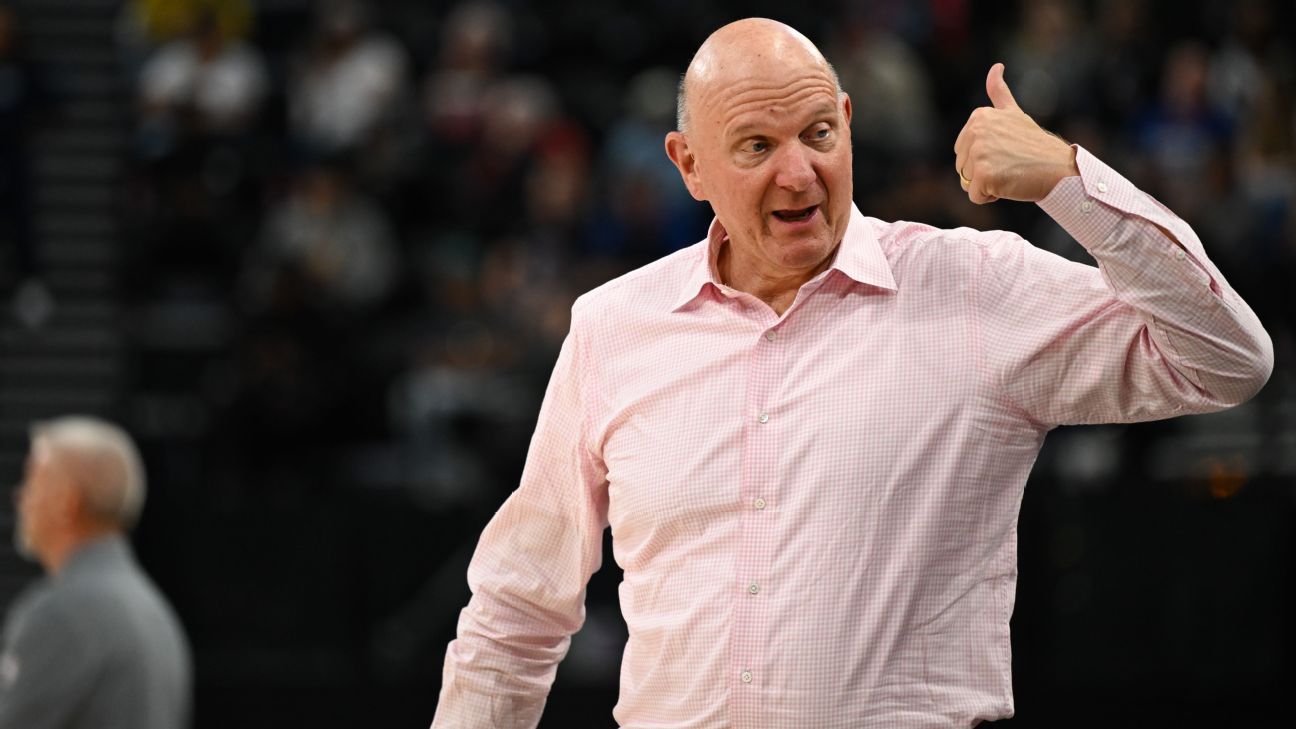
The NBA did not merely swat the LA Clippers on the wrist. It reached for the biggest hammer in the room and brought it down with deliberate force: a $30 million fine, five first-round picks stripped away, and a one-year suspension for owner Steve Ballmer. This was not routine discipline. It was a declaration, the kind leagues make when they want every owner, agent, and front-office executive to feel the floor shift beneath them.
The punishment lands with the weight of history because the alleged sin itself sits at the center of modern professional sports: the old, familiar temptation to win now and explain later. The NBA has spent decades building an elaborate architecture around competitive balance, salary-cap restraint, and the sacred fiction that all teams are playing by the same rules. When a franchise is found to have tunneled under that structure, the league cannot respond with a gentle memo and a stern face. It has to make an example. This time, it did.
A penalty built to be felt for years
Five first-round picks do not vanish like loose change in a couch cushion. They are the currency of a franchise’s future, the draft capital that can replenish a roster, rescue a misstep, or turn a middling team into a contender before the bill comes due. Taking that many selections away is not just a punishment. It is a long sentence.
The financial fine, eye-popping as it is, almost feels secondary beside the draft forfeitures. Owners can absorb pain with enough zeros attached; roster architecture is harder to repair. In a league where the margins between good and great are thin and fragile, a lost pipeline can choke a team’s next era before it begins. For a franchise that has often sold itself as close to contention, this is not a tap on the shoulder. It is a structural wound.
And then there is Ballmer, whose suspension is as symbolic as it is practical. Owners are usually insulated from the consequences that reach coaches and players. When a league suspends a principal owner, it is saying the problem did not just happen around the margins. It ran through the top.
Why the league chose severity over theater
The NBA has a long memory, and it also has a reputation to protect. The salary cap exists to prevent exactly the sort of arms race that turns smaller markets into permanent supplicants. If a star can be quietly steered to a preferred destination through extra inducements, side agreements, or creative handshakes in the shadows, then the whole system starts to look like stage scenery.
That is why this case matters beyond Los Angeles. It is not only about whether the Clippers crossed a line involving Kawhi Leonard. It is about whether the league can still credibly tell 29 other teams that the rules bind the powerful as tightly as the desperate. The punishment says yes, though the league has spent years inviting cynicism by being uneven in how it polices its own kingdom.
The NBA did not just punish a franchise; it tried to salvage the idea that the salary cap still means something.
That idea has to survive not because the league is noble, but because its business model depends on competitive belief. Fans will tolerate a lot — tanking, load management, broadcast fatigue, the occasional weird trade deadline fever dream — but they need to believe the game is not pre-baked by hidden payments and private promises. Strip away that faith, and the product starts to feel like theater with expensive seats.
What this means for Ballmer, the roster, and the locker room
The human cost of a ruling like this is easy to miss beneath the spreadsheets. Players did not design the scheme, if scheme there was, but they will live with the consequences. Draft picks are tomorrow’s depth, tomorrow’s leverage, tomorrow’s chance to cover for an injury or a misfire. Remove them, and the roster hardens. It becomes older, thinner, more dependent on stars staying upright and available.
For a locker room, that changes the emotional weather. Contenders are built on the promise that the front office can keep feeding the machine. When the pantry gets locked, the players feel it. Coaches feel it. Fans feel it in the seats, where patience thins the way it always does once the future is mortgaged.
Ballmer’s suspension also changes the public posture of the franchise. He has been one of the league’s most visible, most exuberant owners — the kind of billionaire who can seem almost disarmingly present, all volume and enthusiasm and civic branding. A one-year ban strips away some of that glossy confidence and replaces it with the colder image of a league governor, fined and fenced in like everyone else.
The Clippers, who have spent years trying to present themselves as a destination rather than a detour, now have to answer a far harsher question: what does credibility cost when the league itself has priced it? For context on the ecosystem around the team and its crosstown shadow, the Clippers’ recent cap controversy piece sits alongside this ruling like an appendix to a larger indictment.
My read: this is about deterrence, not closure
I have covered enough leagues, and enough supposedly final reckonings, to know that punishments of this scale are never only about the offending club. They are messages drafted for the rest of the room. The NBA wanted every owner to feel a chill here, especially those who imagine that wealth can buy a little administrative forgiveness if the basketball return is handsome enough.
My instinct is that this case will echo for years because it strikes at the league’s deepest contradiction. The NBA markets itself as meritocratic poetry — stars ascending, underdogs catching fire, smart teams outthinking richer ones — but it is also a private club governed by very human appetites. Everyone wants to win. Not everyone wants to win cleanly if the path gets cramped. That tension is not new. What is new is the scale of the penalty, and the bluntness with which the league has chosen to say: enough.
There will be arguments about proportionality, about precedent, about whether the league should have gone even harder or stopped earlier. Those arguments are real. They always are. But the larger truth is harder and cleaner: if the NBA lets this kind of violation drift into the ordinary, then every future negotiation becomes suspect, every free-agent smile looks a little rehearsed, and every owner who stayed inside the lines gets reminded that restraint was for the naive.
The league has made its choice; now comes the reckoning
The Clippers will spend the months ahead trying to absorb the shock, manage the optics, and protect what remains of their competitive window. Around the league, executives will be rereading old assumptions with new caution. Players’ representatives will do the same. And fans, those eternal auditors of hypocrisy, will keep score in a way the league cannot control.
This ruling will not heal the sport. It will not restore innocence that was never fully there. But it may do something more practical: it may remind everyone that the line exists, and that crossing it can cost more than pride.
The bill has arrived. The payment plan is the story now.
More from Straight From The Bench
Comments
Join the conversation — sign in to leave a comment.
Sign in to commentRelated Stories
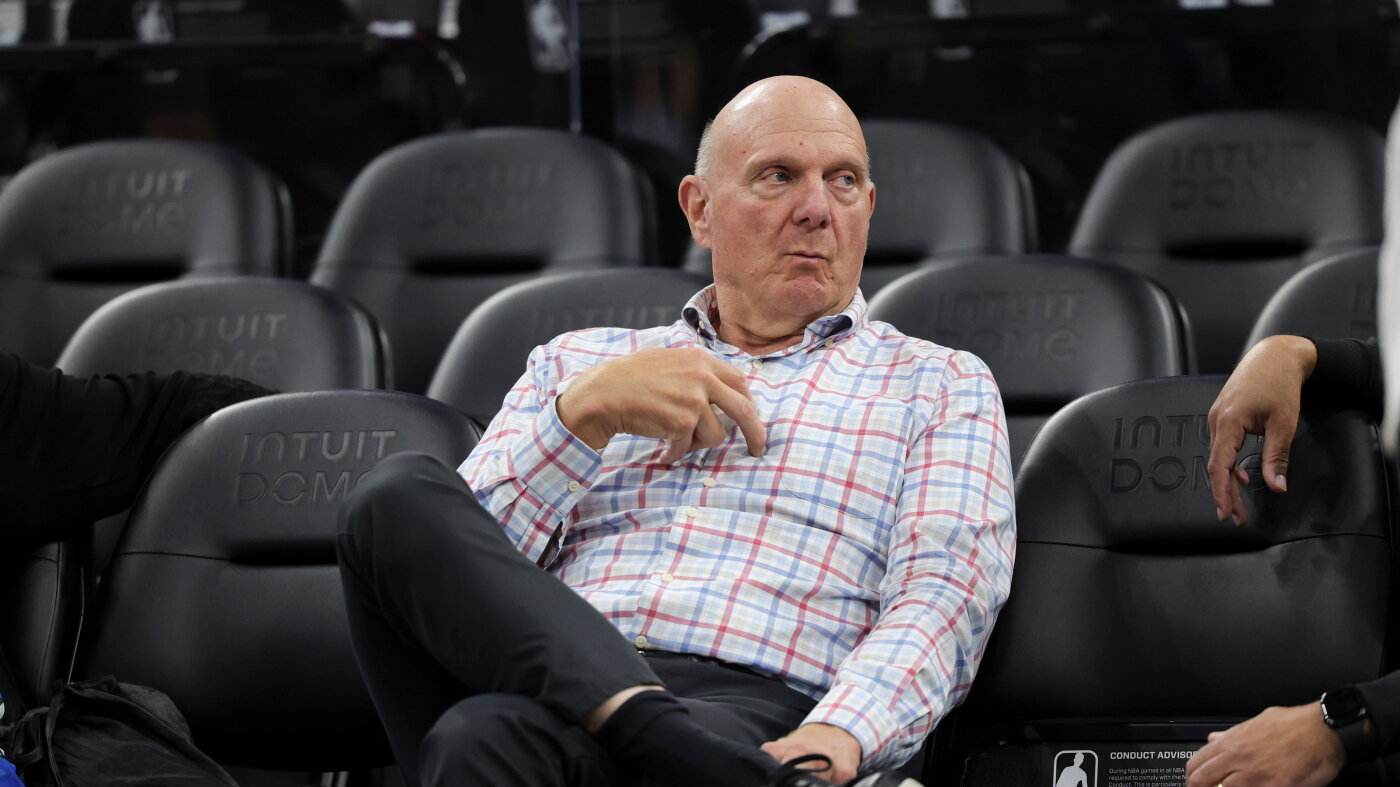
Clippers Cap Circumvention Case: Ballmer Suspended, Team Fined
Steve Ballmer is out for a year, the Clippers are down $30 million, and the league’s cap police just sent a message nobody can miss.
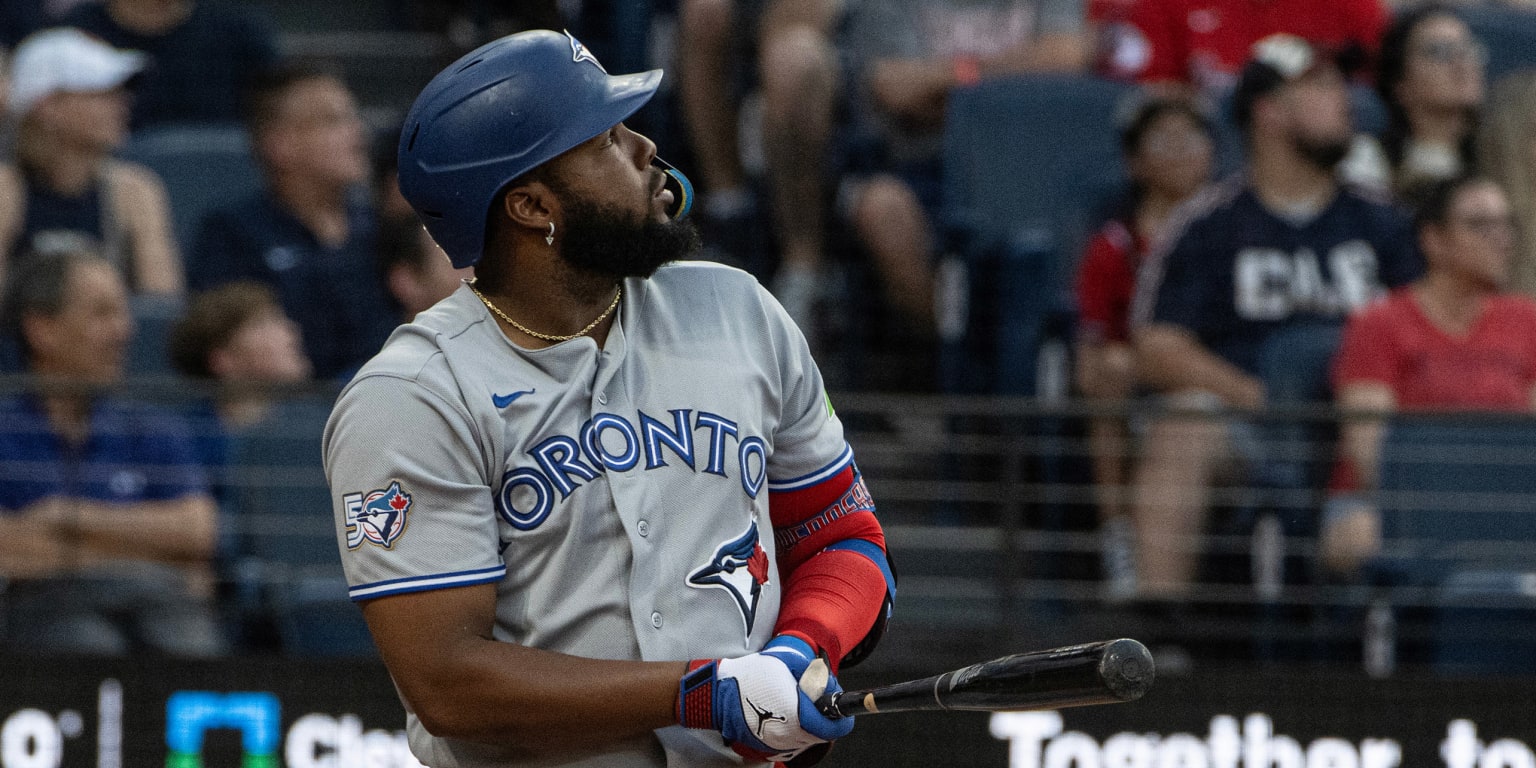
Vladimir Guerrero Jr. swing update: vintage Vladdy may be back
Vladimir Guerrero Jr. has spent the season chasing that familiar middle-of-the-order thunder. One blast in Cleveland looked a lot like the old version.
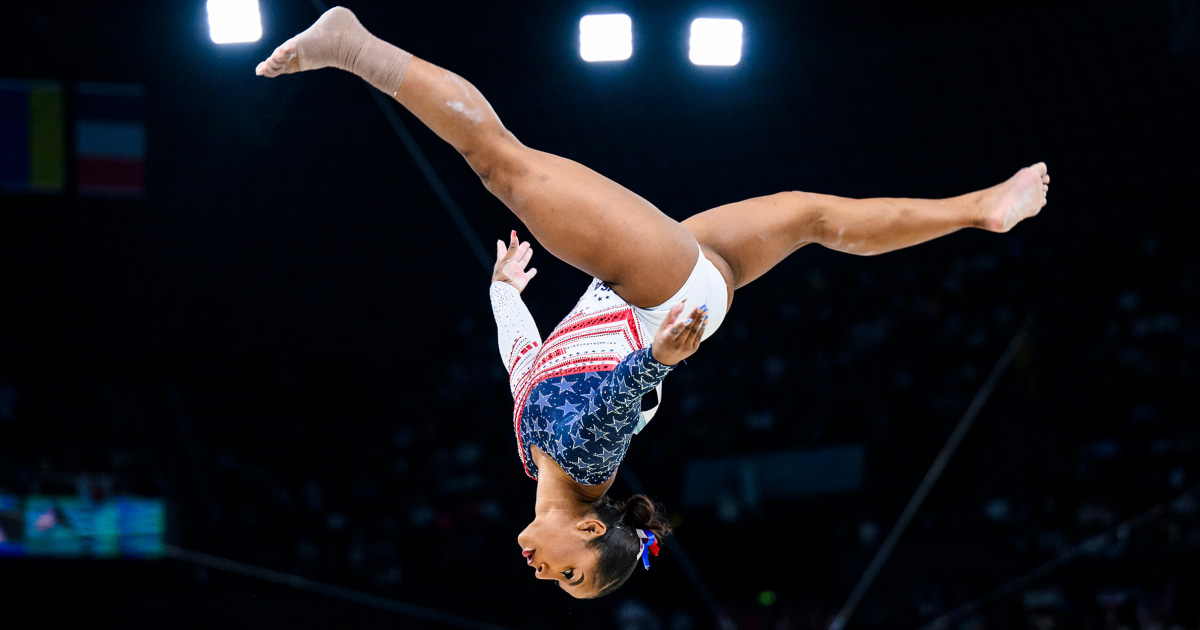
Jordan Chiles 2028 Olympics Run: Michael Jordan Gives the Nod
Jordan Chiles is aiming for a 2028 run in Los Angeles, and she unveiled it with Michael Jordan in her corner. The message: she’s not done building.