
College GameDay: Lainey Wilson Performance Draws Fan Backlash
When the opening ritual misses the room, the whole morning feels off.
 Beatrice Kensington5 min read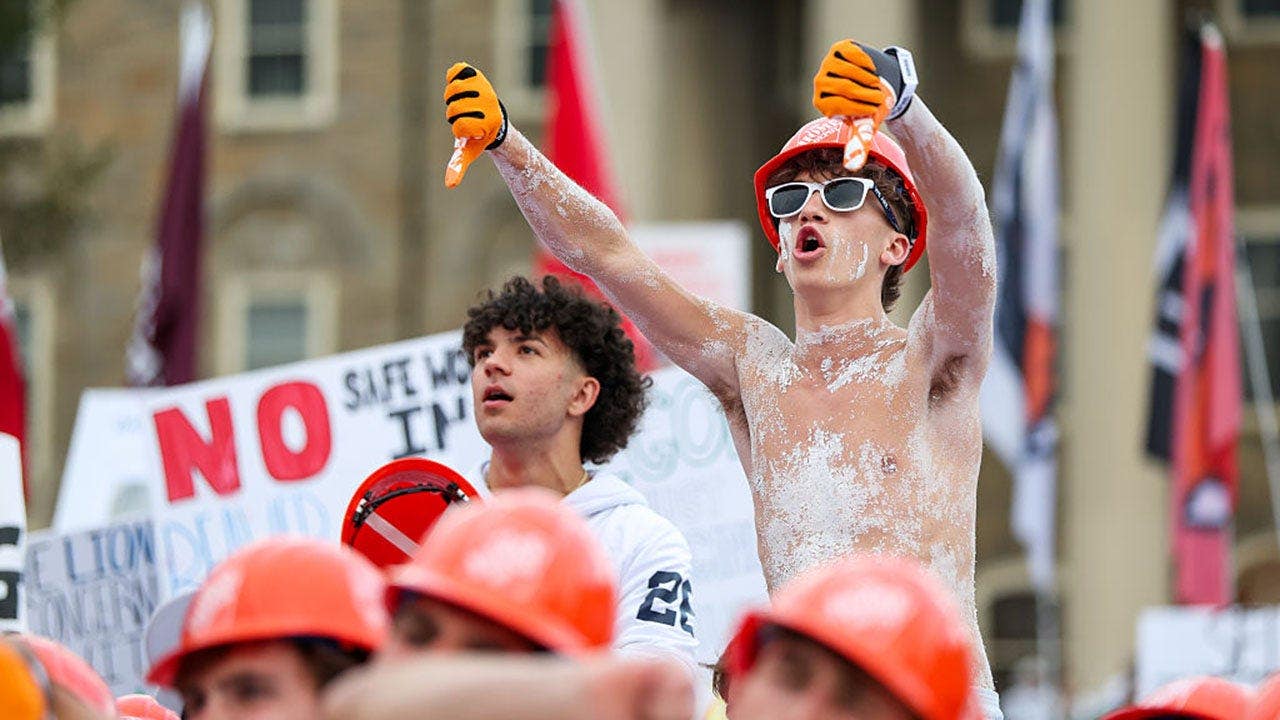
The first Saturday of the season should feel like a door thrown open onto autumn. In Baton Rouge, with the smell of tailgate smoke hanging over campus and the old appetite for college football finally fed again, the morning instead began with a jolt of friction. Fans came for the familiar pageantry of College GameDay, and many left the Lainey Wilson performance feeling as if the show had mistaken color for substance.
That reaction was swift, loud, and, in its own way, revealing. College football supporters are not a delicate audience. They have endured long offseasons, endless conference realignment, television overkill, and the annual sales pitch that every piece of broadcast theater is somehow sacred. They know the difference between tradition and garnish. And when a live musical number lands with the wrong rhythm, the crowd does not politely clap along. It boos in print, on social media, in the blunt language of disappointment.
Baton Rouge Wanted a Rousing Start, Not a Detour
Baton Rouge is built for spectacle. LSU lives inside one of the loudest football atmospheres in the country, where anticipation is practically a civic language. That is precisely why this moment mattered. The opening week of the season is not just another weekend on the calendar; it is the emotional reset after a sport-starved summer, the one morning where fans want to be handed the sport itself, not a performance that sits beside it like an expensive centerpiece.
Lainey Wilson is not the issue in any personal sense. She is a major country star with a regional draw that, on paper, should have made sense in Baton Rouge. But live television is an unforgiving marriage of timing and taste. If the audience feels like the production is trying to manufacture “authenticity” instead of delivering it, the spell breaks. Fast.
That is the deeper problem here. College football has always trafficked in ritual, but the best rituals feel earned. The marching bands, the mascots, the headgear on the desk, the rabid crowd shots — these work because they rise organically from the sport’s own emotional weather. A forced entertainment segment can make the entire broadcast feel like it has wandered one step too far from the field.
Why Fans React So Strongly to GameDay Theater
Fans do not only watch ESPN’s pregame show for information. They watch it for permission to believe the season has truly arrived. The show’s power has always rested on that fragile promise. It translates the first Saturday into ceremony, and ceremony into appetite.
That is why fan backlash can seem so outsized from the outside. But it is not really about a single live performance. It is about ownership. College football supporters think they own the morning. They have earned it with weathered loyalty, with ticket stubs and road trips and eight-month waits that feel much longer. So when a segment feels tonally off, the complaint is not merely aesthetic. It is territorial.
The anger was not about one singer. It was about fans sensing the show had borrowed their ritual instead of respecting it.
There is also a broader media truth buried inside the grumbling. The pregame show has spent years stretching itself between old-school college-town pageantry and broadcast polish. That balance is hard to maintain, and harder still when every production choice is judged instantly by a fan base that has grown more skeptical, more digitally connected, and less patient with anything that smells of manufactured buzz.
The First Week Always Exposes the Cracks
The first weekend of the season is a magnifying glass. Every decision looks larger in the glare because everybody is starving. A playful set piece in October can pass unnoticed; in Week 1, it becomes a referendum on the soul of the show.
That is why this debate is bigger than Baton Rouge, and bigger than one live song. It speaks to the uneasy bargain modern sports television keeps striking with its audience. Producers want energy, celebrity, and social-media lift. Fans want rhythm, familiarity, and a clear line back to the game itself. The farther the broadcast drifts toward spectacle, the more likely it is to be accused of forgetting its job.
I have been around enough sports television to know the old rule still applies: the audience will forgive excess if it feels sincere. It will not forgive condescension. That is the hard edge here. The backlash suggests fans did not feel included in the moment; they felt managed by it. And in college football, where emotion is the currency and theater the packaging, that is a dangerous mistake.
The lesson for the show’s producers is not to purge the entertainment entirely. Nobody wants a sterile desk, six microphones, and a lecture. The lesson is simpler and more difficult: know the room. Baton Rouge is not a neutral venue. College football is not a generic backdrop. The fans can smell when the glue has replaced the grain of the wood.
I would argue this was less a stumble than a warning flare. The sport’s audience is changing, yes, but its instincts are not. It still wants the old magic to feel local, messy, and true. The moment television starts polishing away that roughness, it risks losing the very thing it was hired to celebrate.
What This Means for the Rest of the Season
The next few weeks will tell us whether this was an isolated flare-up or part of a wider unease with the direction of the pregame spectacle. If the show leans too hard into celebrity moments, the criticism will keep coming. If it recalibrates and lets the football breathe, the memory will fade, as these things often do.
For now, the episode has done what good fan outrage usually does: it exposed the line between pageantry and intrusion. College football’s return was supposed to feel like a homecoming. Instead, a live performance made some of the faithful feel like guests in their own house.
That is not a trivial complaint. In this sport, tone is everything. And on opening weekend, tone is destiny.
The season is here now. The show has one job to do. Listen better.
More from Straight From The Bench
Comments
Join the conversation — sign in to leave a comment.
Sign in to commentRelated Stories
LSU vs Clemson: Lane Kiffin Leaves Former NFL Players Off
LSU’s decision to keep DaeQuan Wright and Zxavian Harris off the Week 1 roster says plenty about trust, timing, and how tight big-game margins get.
LSU vs Clemson: Dae'Quan Wright Roster Decision Shakes Week 1
LSU left Dae'Quan Wright and Zxavian Harris off the roster for Clemson, and that tells you plenty about how sharp the margins are in Week 1.
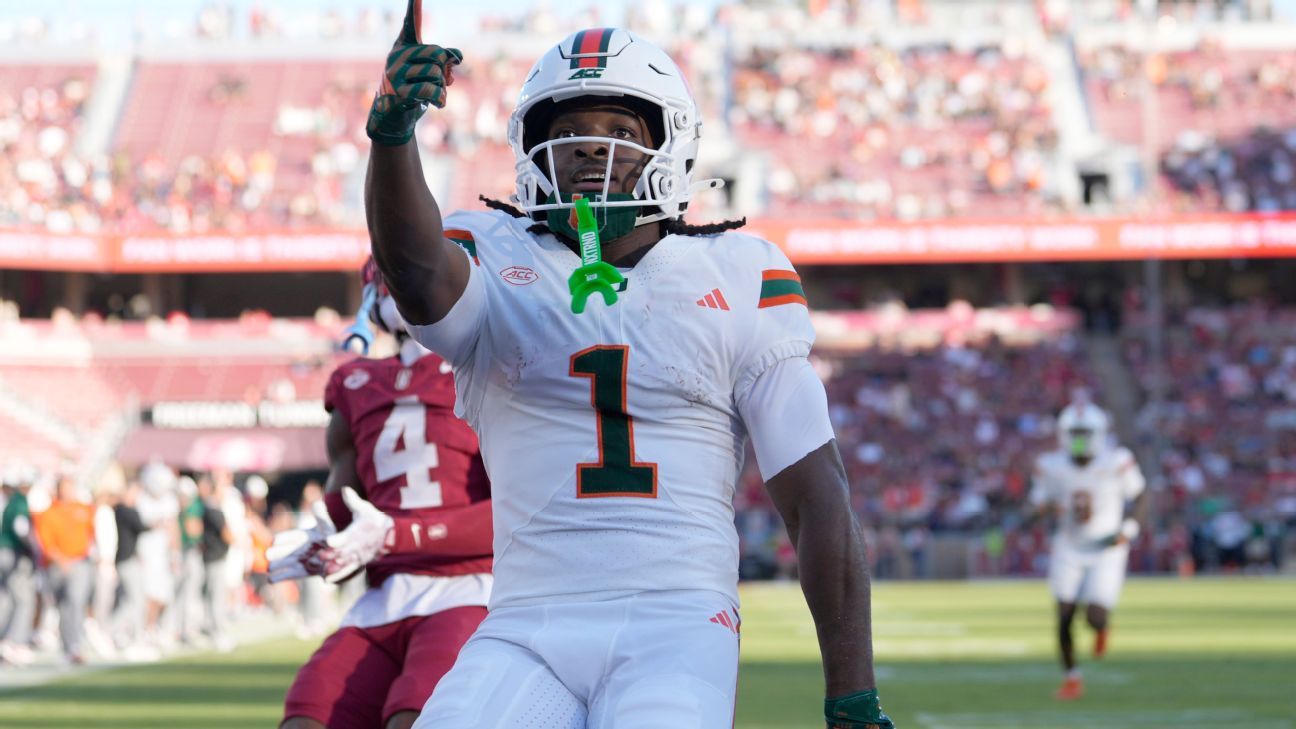
Miami vs Stanford: Malachi Toney Shatters Receiving Records
Malachi Toney's 234-yard, three-touchdown night wasn't just a hot start. It was a school-record statement and a warning shot for the rest of college football.