College Sports Bill: Senate Passes Sweeping NCAA Overhaul
The NCAA’s old control model just got shoved into the modern era.
 Zane Miller5 min read
The Senate didn’t just pass a college sports bill Monday night. It drew a line through the last decade of chaos and said the old setup is done. The Protect College Sports Act cleared on a 77-22 vote, a margin that tells you this wasn’t some narrow symbolic swing. Congress is officially trying to put rails on a system that has been sprinting downhill since athlete payments, transfer freedom and nonstop litigation blew up the old model.
Now it heads to the House, where the politics get messy fast.
A big vote, and a bigger message to college athletics
This is not just about commas in legislation or lobbyists arguing over language. This is about control.
College sports has been operating in a kind of legal fog for years. Schools, collectives, agents, boosters, conferences, and athletes have all been improvising in real time. The NCAA tried to hold the line. Courts kept cutting holes in it. The result was a marketplace with no reliable guardrails and no real national standard.
That’s what this bill is reacting to. Congress sees a system where athlete pay is real, transfer movement is constant, and public trust is thinning. Whether you love or hate that reality, the bill is a recognition that the current setup is not stable.
The Senate vote also matters because it forces everyone else to stop pretending this is just an NCAA problem. It’s a labor issue, a commerce issue, a governance issue, and now a Washington issue.
What the House fight is really about
The House is where this can get interesting, and probably ugly.
Some lawmakers want to protect athletes and standardize the sport before the arms race gets worse. Others do not want Congress micromanaging college athletics at all. That split is the whole story. One side sees disorder. The other sees overreach. Both think they’re defending the future of the sport.
The biggest stakeholders are obvious. Power conference schools want predictability. Mid-majors want to survive in a model that keeps concentrating money and attention at the top. Athletes want compensation and flexibility, but they also want a system that doesn’t turn every roster into a revolving door every spring. Administrators want rules they can actually follow without waking up to a lawsuit.
That’s why the bill’s next stop matters so much. If the House can’t align, then the Senate vote becomes a loud statement and not much else. If it does move, then college athletics is headed into a new era of federal oversight whether the sport likes it or not.
The same kind of pressure is showing up across sports governance. You can see it in other institutional fights too, from the NFL DHS highlights video response to the way leagues now operate like political actors as much as sports businesses. Once the system gets big enough, Congress starts paying attention.
The money question no one can dodge anymore
Here’s the part everybody in the building knows but some would rather not say out loud: college sports already became a pay system. The debate is no longer whether athlete compensation exists. It does. The debate is what shape it takes, who controls it, and whether schools can keep one foot in amateur branding while the other is planted in a semi-pro market.
That tension is driving all of this.
The transfer portal changed roster construction. Name, image and likeness turned recruiting into a marketplace. Litigation made every restriction feel temporary. Now every program is trying to build a roster while also reading legal tea leaves. Coaches are recruiting like they’re in the NFL, but without NFL stability. Administrators are trying to budget like private equity managers without the private equity discipline.
That’s why this bill is so important. It’s not just about regulating money. It’s about admitting the sport already changed and trying to write rules that fit the new reality instead of the old myth.
The schools at the top will adapt first because they always do. They have the resources, the brand leverage, and the donor base. The real pressure lands lower down, where athletic departments are already squeezed and every new compliance layer feels like another expense line they didn’t ask for.
My read: Congress is late, but not irrelevant
I’ve covered enough of these institutional panic moves to know the pattern. First comes denial. Then comes a rash of court losses. Then somebody in Washington decides the mess is finally too visible to ignore.
That’s where this sits. Congress is late to the party, sure. Very late. But being late doesn’t make it meaningless.
The real question is whether lawmakers want to protect college sports or simply repackage the damage control.
My read is simple: this bill is a signal that the old “we’ll figure it out later” era is over. It’s not realistic to think college athletics can keep absorbing unlimited legal pressure, unlimited spending disparities and unlimited roster churn without a formal structure. That was always a fantasy.
The hard part is whether Congress can write a rulebook that people in the sport will actually live with. Because if the answer is no, then you get the worst of both worlds: a national fight and no durable fix.
And if you’re a school president or athletic director, that’s the part keeping you up tonight. Not the headlines. The uncertainty after them.
What to watch before this gets to the finish line
The House debate will tell us everything about how serious this really is. Watch the lobbying, watch the conference alignment, and watch how lawmakers frame athlete rights versus institutional control. That language will reveal whether this becomes a real overhaul or just another Washington push that runs into a brick wall.
The other thing to watch: how the college sports power centers respond. The biggest programs have the loudest voices, but the most fragile business models sit further down the ladder. If this bill starts drawing clear dividing lines between winners and losers, the pushback will come fast.
College athletics wanted to be treated like a big business. It got the big-business problems too.
Now the House gets the ball, and nobody in the sport should assume the second half will be calmer.
More from Straight From The Bench
Comments
Join the conversation — sign in to leave a comment.
Sign in to commentRelated Stories

College Sports Bill: Senate Passes Sweeping NCAA Overhaul
The Senate has moved a bipartisan college sports overhaul forward, but the real fight now shifts to the House, where speed and motive will matter as much as substance.
College Football Rankings: Coaches Poll Top 25 shakes up Week 4
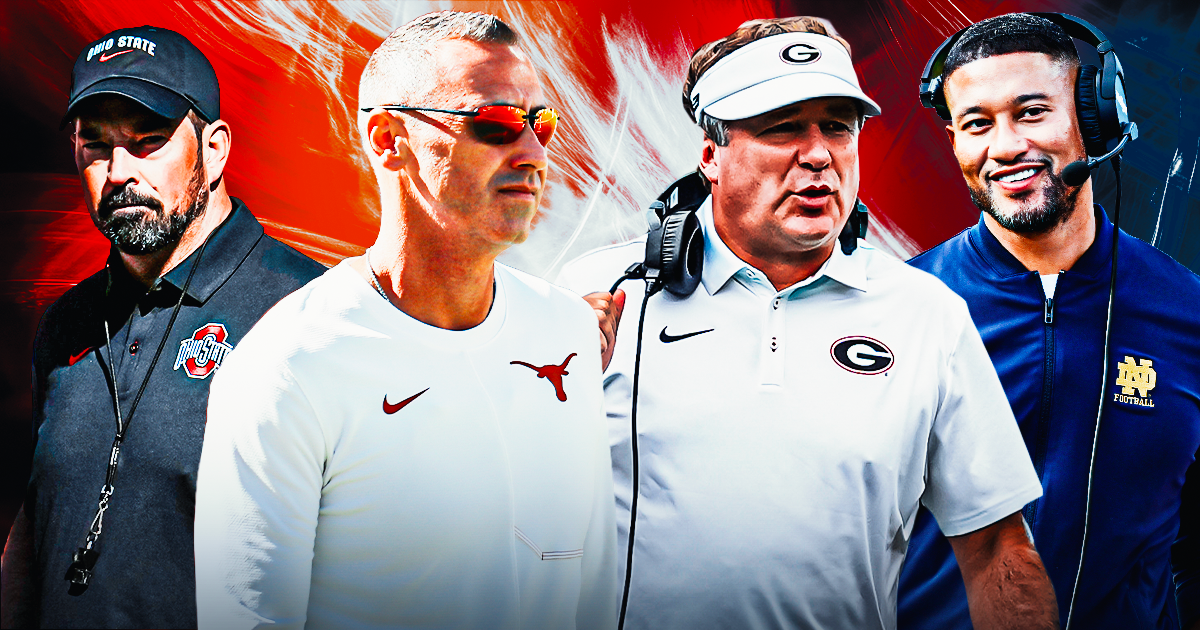
Week 4 chaos hit the [Coaches Poll Top 25](https://en.wikipedia.org/wiki/Coaches_Poll). The pretty records got dented, the pretenders got sorted, and the committee drumbeat got louder.

South Carolina Dylan Stewart Suspension: Gamecocks Lose Edge
South Carolina has suspended Dylan Stewart indefinitely, a move that hits the Gamecocks’ pass rush and their draft-stock buzz in one shot.