
Colts vs Chiefs: Shane Steichen defends overtime playcalling
The margin was a call, a coverage look, and one more bitter lesson in Kansas City.
 Beatrice Kensington6 min read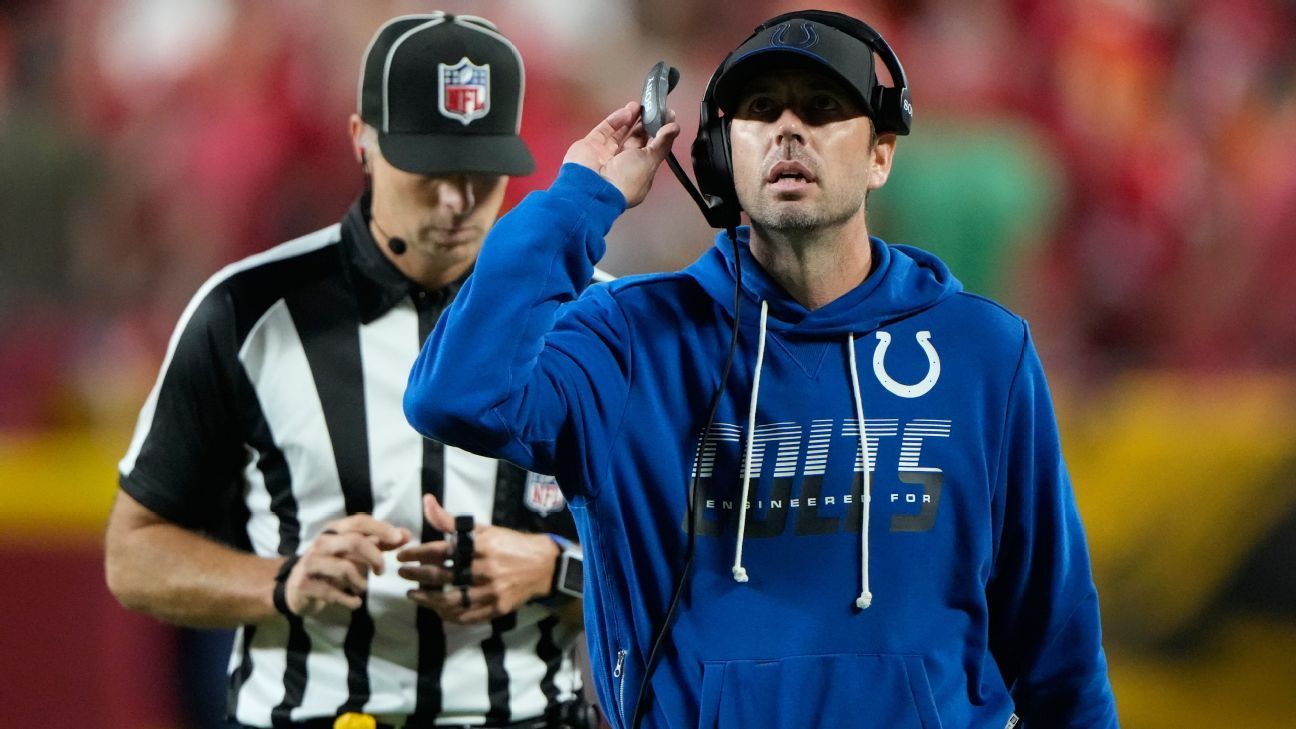
The call that will linger longer than the final score
The Colts did not leave Kansas City with a moral victory, and they did not leave with the sort of tidy defeat that can be filed away after Monday coffee. They left with one of those losses that gets under the skin because it felt, for long stretches, like a team that had finally found the nerve to stare down the Chiefs and not blink. Then overtime arrived, and the conversation shifted from execution to intention, from what happened to what should have happened.
Shane Steichen’s defense of his late-game strategy was, on one level, exactly what a coach should say. He stood by the process, explained the read, and made clear he would have gone for the kill on fourth-and-8 had the coverage looked right. That matters. Coaches who flinch after the fact tend to lose their locker room in small, corrosive ways. Still, football is a brutal accountant. It asks for proof, not sincerity.
In the NFL, the line between conviction and caution is often measured in one defensive alignment.
Overtime in Kansas City is a test of nerve, not just scheme
What makes this one sting is not simply that Indianapolis lost 33-30. It is that the Colts entered the late stages with a genuine chance to take control of one of the league’s most unforgiving stadiums, against a franchise that has turned close games into a kind of civic art. The NFL teaches you, over and over, that opportunity in these moments rarely returns in the same form. You do not get to rewind a fourth-quarter decision and ask the defense to line up differently just because your preferred call was tucked away on the sideline.
That is why Steichen’s explanation lands in a complicated place. It is reasonable. It is also unsatisfying. Fans hear “we would have gone for it” and, naturally, wonder why the decision tree ended where it did. They hear the caveat about coverage and translate it into hesitation. In a league where coaches are forever accused of being either too reckless or too cautious, this is the oldest grievance in modern football: the play called was not the play desired.
The pressure now shifts toward the quarterback, the protection, and the situational command that separates good teams from serious ones. Indianapolis has shown enough to suggest it is no mere afterthought in the AFC landscape. But being competitive with Kansas City is not the same as being complete enough to finish them. That distinction is the hard, expensive one.
Why Steichen’s explanation matters inside the building
I have written enough about this league to know the quiet danger is not the loss itself. It is the lesson everyone extracts from it differently. A coach hears process. A quarterback hears trust. A receiver hears missed yards. A fan hears another Sunday night where the Chiefs found just enough air in the room to survive.
For Steichen, the defense of the decision is also a declaration of identity. He is not trying to become the kind of coach who lets fear dictate the final series. That posture has value. Teams can become timid in the red glow of failure, and timid teams in this league are usually finished by November. Still, there is a narrow line between aggression and stubbornness, and every coach spends the season trying not to step squarely on it.
The Chiefs, for their part, remain the league’s master class in surviving these exact knife-edge games. That is what dynasties do: they make everyone else explain themselves. They do not merely beat you; they alter the language of your postgame answers.
The Colts are closer than they were, and that is the unsettling part
This is where the loss becomes more interesting than the box score. The Colts are not trudging through a season of absolute chaos. They are trying to become a team that can travel, challenge, and endure. That ambition matters. It also raises the standard of disappointment. A rebuilding club gets sympathy. A rising one gets audited.
For the Colts, this game will probably live in the memory as both evidence and indictment: evidence that they can stand in the same ring with elite opposition, and indictment that standing there is not enough. The AFC is crowded with teams that can hang around for three quarters. The postseason belongs to the ones that can make the fourth quarter obey them.
If you want the broader frame, look at the way similar losses echo across the league. A close defeat in September can become the first chapter of a winter argument about situational coaching, play design, and whether a team trusts its best players when the field narrows. We have seen that story before. We will see it again. I wrote recently about the Commanders’ familiar ache around Jayden Daniels and, in a different register, about how Jalen Hurts and the Eagles dragged a win from the weeds. Those are different teams, different moods, different wounds. But the common thread is this: the NFL is a league that turns one call into a referendum on character.
My read: coaches should own the moment, but they should also learn from it
I think Steichen did the right thing by standing firm publicly. A coach who instantly backpedals after a close loss usually signals confusion to everyone inside the building. Yet ownership cannot stop at rhetoric. The better coaches are not simply defenders of their own process; they are ruthless editors of it. They return to the film, and if the answer is that the coverage key was read correctly but the sequence was too conservative, they adjust. If the answer is that the call was fine and the execution failed, they stay the course. The point is not to perform certainty. The point is to earn it.
There is also a larger truth here about how the Colts want to be perceived. Teams chasing legitimacy cannot be content with almost. They need a few wins that feel like permissions slips, the kind that teach the league to brace when Indianapolis gets the ball late. That is still ahead of them. Sunday night suggested they are close enough to be dangerous and not yet complete enough to be feared.
And close, in this sport, is a teasing thing. It keeps the tape rolling and the questions coming.
The next time Indianapolis gets that decision again, the answer will need to arrive faster, clearer, and with less room for regret.
More from Straight From The Bench
Comments
Join the conversation — sign in to leave a comment.
Sign in to commentRelated Stories

NFL Week 2 Injury Update: Caleb Williams, Jayden Daniels hit hard
Two of the league’s brightest young quarterbacks left Week 2 in bad shape, and the ripple effect goes way beyond one Sunday. This draft class just met the NFL’s cruelest lesson.

Eagles vs. Titans: 7 winners, 5 losers, 5 IDKs from Week 2
Philadelphia is 2-0, which is the part that matters. But the Titans game left behind a tidy pile of winners, losers, and head-scratchers.
Seahawks Injury Update: Sam Darnold could return as 2-0 run rolls on
Seattle is 2-0 with Drew Lock steadying the ship and Jaxon Smith-Njigba doing the heavy lifting. Sam Darnold’s return could come faster than expected.