Cowboys vs Eagles Audience: NFL Regular Season Beats World Series
The NFL didn’t just show up. It owned the night.
 Zane Miller4 min read
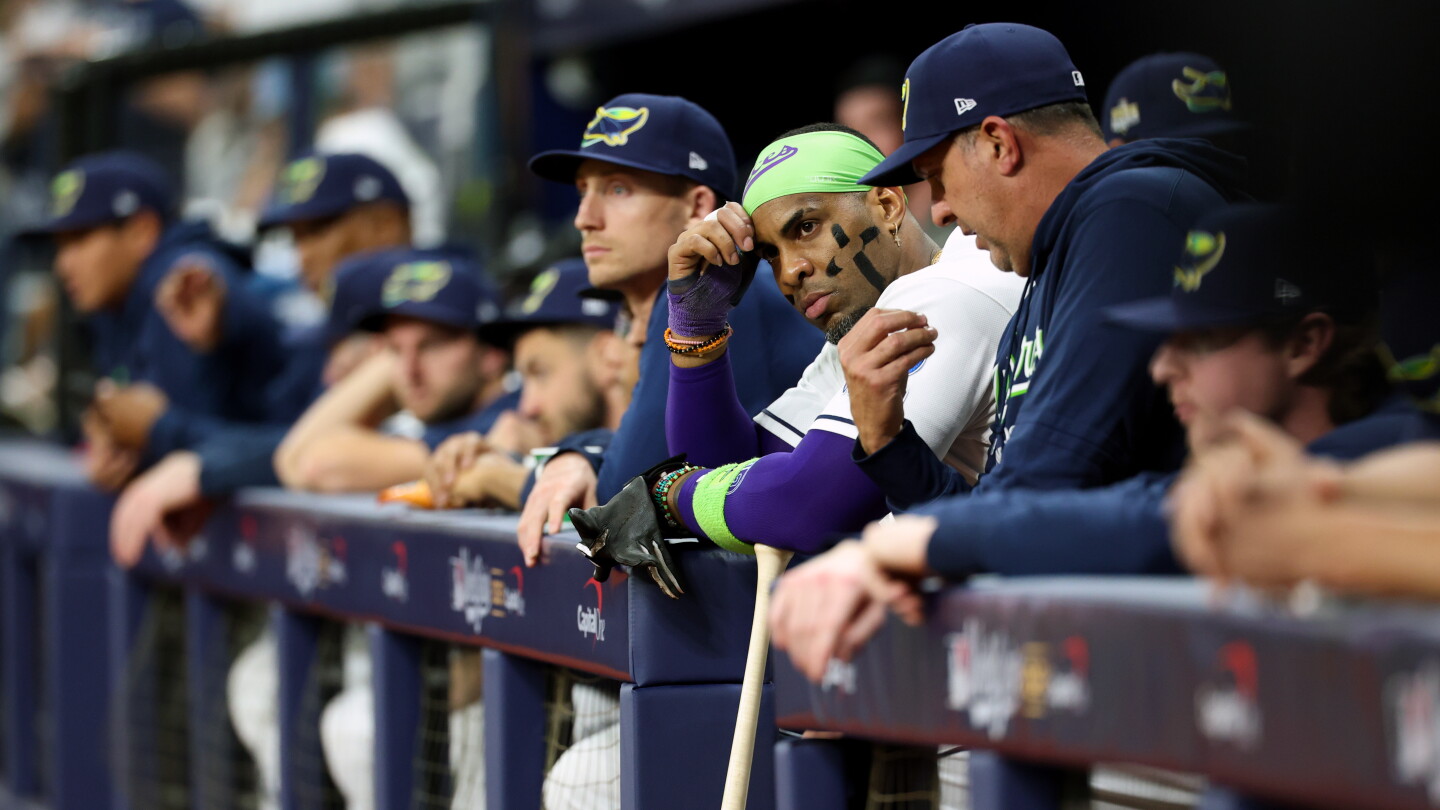
The numbers tell the story before anybody starts spinning it. Cowboys-Eagles on a regular-season Sunday didn’t just compete with the World Series. It outdrew it. That used to be the stuff of fantasy, the kind of TV-schedule embarrassment the NFL used to avoid like a bad hamstring.
Not anymore.
Football has become the gravitational pull in American sports TV, and this is the clearest proof yet. The Dallas Cowboys still move a national audience like almost nobody else, and the Philadelphia Eagles bring the other side of that same coin: big-market energy, fan base intensity, and a matchup that feels like an event even when the calendar says October.
The NFL no longer plays second fiddle in October
There was a time when baseball owned October by default. Fall meant the postseason, the drama, the tradition, the whole package. The NFL was the heavyweight, sure, but it wasn’t supposed to crash the party in a meaningful way. Now it does more than crash it. It pulls the crowd away.
That’s not just a one-night blip. It’s the result of how America consumes sports now. The NFL is appointment viewing in a way few leagues can touch. One window, one game, one piece of content that feels immediate and decisive. Baseball can be beautiful, and the World Series still matters. But the league structure, the pace, the volume of live action, all of it works against the kind of broad, casual sampling that football gets naturally.
And then there’s the actual matchup. Cowboys-Eagles is the kind of game networks dream about. Rivalry. Brand names. Massive regional followings. National relevance without needing much salesmanship. You don’t need a warm-up act. You don’t need a pitch. You put it on and people already know why they should care.
Why this hit so hard for TV executives
The biggest takeaway here isn’t just that football beat baseball. It’s that the gap says something about live-sports scarcity. In a fragmented media market, big numbers are harder to get, not easier. Streaming has splintered attention. Cable is a shrinking habit. Fans are picking their spots more carefully.
That makes the NFL even more dangerous for everyone else.
Executives love certainty, or at least the illusion of it. The NFL gives them that. Advertisers know where the eyes are. Networks know what gets clipped, debated, replayed, and carried across social media before the game even ends. A marquee Cowboys-Eagles slot is still one of the safest bets in American television.
Baseball has its own value, and the World Series will always have prestige. But prestige and audience aren’t the same thing. That gap matters. It affects how rights deals are framed, how sponsors allocate money, and how broadcasters think about premium inventory in October.
If you’re sitting in a production meeting, this is the kind of result that changes the temperature in the room. It doesn’t mean baseball is dying. It means football has become the default setting for live-event dominance.
Cowboys-Eagles still carries more weight than most rivalries
There’s a reason this matchup keeps overperforming. It isn’t just about the teams on the field. It’s about the brands.
The Cowboys are still the league’s biggest TV lever, whether people love them or love to hate them. The Eagles have built a modern identity that travels well: physical, nasty, loud, and relevant. Put those two together and you get a game that feels like it belongs in prime time even when it’s not labeled that way.
This is also where the NFL’s scheduling genius shows up. The league understands star power better than any other sport. It knows how to place, package, and preserve premium inventory. Every week is a content release. Every rivalry is a market test. Every audience number becomes another reminder that scarcity plus stakes still wins.
The World Series has tradition. The NFL has habit. Right now, habit is beating tradition.
Football isn’t just the biggest sport. It’s the only one that can still make October feel like it belongs to Sunday night.
What this signals beyond one rating line
Here’s my read: this is less about baseball losing ground than about football becoming the final boss of live TV. I’ve watched this shift build for years. First the NFL eclipsed everything on Sundays. Then it started flexing into Thanksgiving, Christmas, and random windows baseball used to own by inertia. Now it’s walking into October and taking the room.
That matters because every league is fighting for the same scarce thing: attention that can’t be paused, skipped, or forgotten by morning. The NFL has solved that better than anyone. It’s why games feel oversized even when records are ordinary, why a midseason matchup can outrank a championship series, and why networks keep paying like they’re afraid to miss the next wave.
The other leagues aren’t helpless, but they’re competing uphill. Baseball has to sell narrative and tradition. Basketball sells volume. Hockey sells local passion. Football sells urgency. In 2026, urgency wins.
If anybody needed another reminder, this was it. The Cowboys and Eagles just showed the rest of the sports calendar where the ceiling is now.
More from Straight From The Bench
Comments
Join the conversation — sign in to leave a comment.
Sign in to commentRelated Stories
Panthers vs. Packers: Thursday Night Football rebound test at Lambeau
Green Bay and Carolina open Week 8 under the lights with plenty to clean up after Week 7. Lambeau should separate the serious from the scrambling.
Christian Watson injury update: Packers receiver transported to hospital
Christian Watson’s night turned urgent after a 53-yard catch ended with a chest injury and a trip to the hospital. Green Bay now waits on the kind of update no team wants to need.
Brewers World Series Parade: Milwaukee's First Title Rolls Home
Milwaukee is celebrating its first World Series crown with a parade that feels bigger than baseball. This is what a championship can do to a city.