
Cubs Fans Brawl at Wrigley Field: Bleachers Cross the Line
The ivy was safe. The people beneath it were not.
 Beatrice Kensington6 min read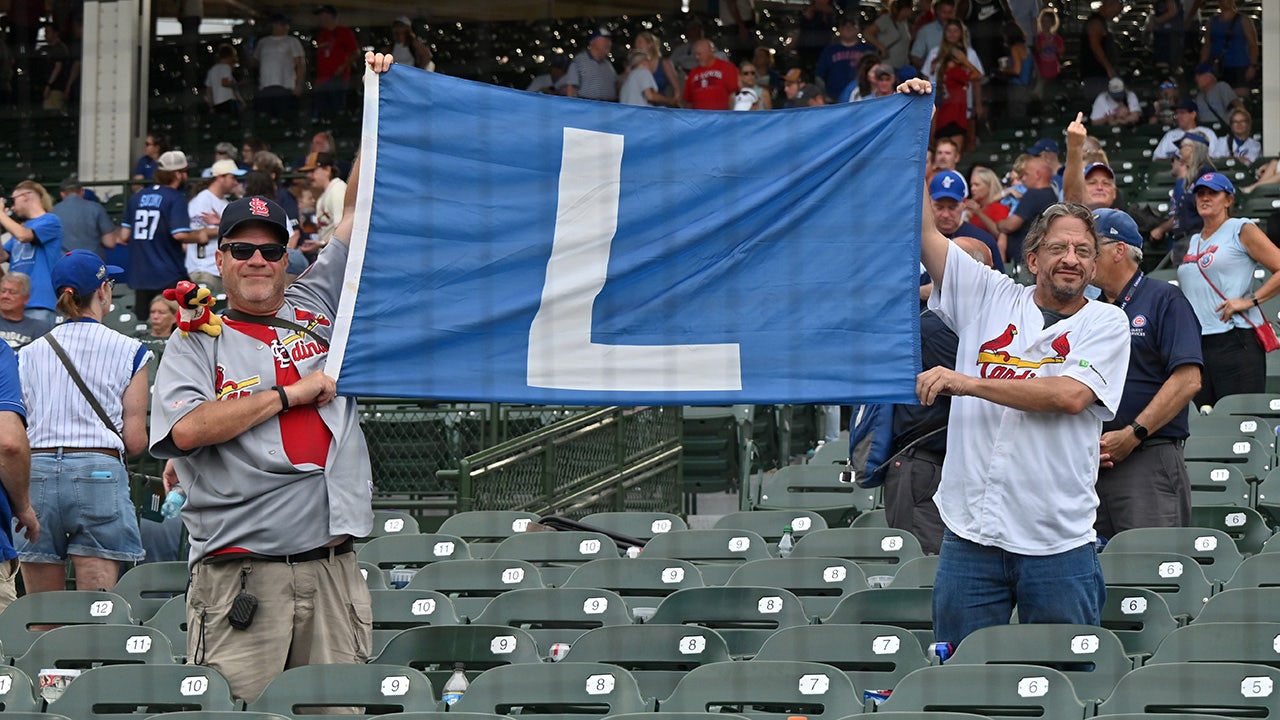
The bleachers at Wrigley Field have always been a little unruly, which is part of their mythology and part of their business. Sunburned backs. Warm beer. A soundtrack of sarcasm drifting over the outfield grass. But there is a line between boisterous and brutal, and on Tuesday that line was not just crossed — it was trampled in public, under the old brick and ivy, while the game went on trying to pretend it was bigger than the noise.
Wrigley’s bleachers have never been church, but they were supposed to be shared space
Baseball has long sold the bleachers as the democratic end of the ballpark, the place where the suit and the laborer sit shoulder to shoulder and discover that a foul ball does not care who pays for the seat. That’s the romance. The reality is less pastoral. Put enough heat, alcohol, tribal loyalty and proximity into any crowd, and a bad inning can become a bad scene.
Wrigley Field, with its famous rooftops and neighborhood intimacy, makes everything feel closer than it is. A cheer can turn into an insult quickly there. A shoulder bump can turn into a challenge. And once a fight starts in a packed bleacher section, it tends to spread because the crowd is not arranged like polite theater seating; it is compressed, leaning, egging itself on. The park’s charm is also its vulnerability.
That is what makes this kind of incident sting beyond the obvious ugliness. It is not just that Cubs fans were seen brawling. It is that one of baseball’s most romantic settings, a place marketed as summer’s easy living room, showed how thin the veneer can be when adults decide to behave like a parking-lot argument with scorecards.
The bleachers are supposed to amplify the game, not expose the worst in the people watching it.
Why this matters to the Cubs, and to everyone who sells atmosphere
Teams spend a fortune manufacturing “experience.” They hire DJs, build social-media campaigns around the vibe, and celebrate the idea that the ballpark is not merely a venue but a destination. Fine. But atmosphere is a fragile product. It depends on people believing they are entering a place where the rules of ordinary life are slightly softened, not abolished.
When a brawl breaks out in a prominent section, the club does not just inherit a public-relations problem. It inherits a question about stewardship. Who is policing alcohol service? How are staff trained to intervene? How much rowdiness is tolerated because it photographs well until, abruptly, it doesn’t? A ballpark can handle noise. It cannot afford to make violence feel like part of the package.
There is also the matter of imitation. Sporting spaces are full of people who arrive primed to perform for one another. In a place like Wrigley, where nostalgia is part of the ticket price, the temptation is to treat bad behavior as colorful local character. That is how small incidents metastasize. The joke becomes the shrug. The shrug becomes the norm.
Fans deserve better than a night defined by fists. The game deserves better than to be used as a stage for someone else’s rage.
The larger warning for baseball’s summer theater
Baseball has spent years trying to make itself feel faster, cleaner, younger. Shorter games. Crisper pace. More urgency without losing the game’s old soul. Yet the thing that still gives the sport its emotional power is not velocity; it is setting. The park, the weather, the crowd, the memory of summer evenings that seem to have been passed down rather than created.
That is why these moments land harder in baseball than they might elsewhere. A football fight can be dismissed as tailgate residue. A hockey scrum arrives prepackaged in the sport’s rough grammar. But a bleacher brawl at Wrigley jars because baseball still markets itself as the family game, the civic game, the game where generations sit together and compare scorecards. When that image gets bloodied, however briefly, the damage is cultural as much as disciplinary.
I keep thinking about how quickly public spaces reveal whether we still believe in one another’s presence. The ballpark is one of the few places left where strangers are asked to share a civic mood for three hours and not much else. If that arrangement can’t survive the heat of a Tuesday afternoon without devolving into a melee, then the problem is larger than one section, one team, or one drunk argument over who said what.
I have covered enough sports to know that fans are often scolded from a distance by people who have never spent a sweaty afternoon in the middle of a restless crowd. So I will say this plainly: most fans are not looking for trouble, and most ballparks are still decent places to spend a summer night. But public trust is cumulative, and it is easier to lose than to rebuild. Once people start expecting the worst from a section of the stands, the section changes. Its reputation hardens. Security tightens. Innocent people feel watched. The joy narrows.
This is the part of sports coverage that never makes the highlight reel but shapes everything underneath it. A stadium is a social contract disguised as entertainment. Break it often enough, and everyone pays a little more for the repair.
What to watch next as Wrigley tries to keep the summer intact
The immediate issue is simple: whether the Cubs and ballpark operators treat this as an isolated embarrassment or as evidence that crowd management needs a harder look. The long answer is more uncomfortable. Every franchise selling nostalgia, tradition and family-friendly summer escapism has to decide where the line is, and then enforce it when enforcement is least convenient.
That applies not just to baseball. The same country that argues endlessly about spectacle in football is also about to test new forms of fan behavior with flag football in the Olympic spotlight, a sport that depends on accessibility and trust. It applies to every venue trying to turn atmosphere into inventory. It applies to the culture around sports itself.
The other part of this week’s stew — the noise around women’s sports marketing and the uneasy way leagues stage virtue when the cameras are rolling — lives in a different lane, but it rhymes with this one. If you missed our earlier look at the Atlanta Dream and the controversy around that shirt, the through line is the same: sports are no longer just games, they are public statements, and public statements can be exposed as flimsy in a hurry.
For the Cubs, the fix is less glamorous than the problem. More eyes. Better intervention. Less tolerance for the kind of alcohol-fueled theater that makes everyone else feel a little less safe. The bleachers should be loud, not lawless. That distinction used to be obvious.
It should be again.
Wrigley will be there tomorrow, ivy and all. The only question is whether the people coming through the gates remember how to act like guests in a shared house.
More from Straight From The Bench
Comments
Join the conversation — sign in to leave a comment.
Sign in to commentRelated Stories

Rays stadium contractor: AECOM Hunt returns to a familiar site
The Rays’ proposed stadium plan has a familiar footprint: AECOM Hunt, the builder behind several local landmarks, is back in the room. That matters more than it sounds.

Ketel Marte restricted list update: Diamondbacks face a messy absence
Ketel Marte didn’t make it to Fenway, and now Arizona has a roster problem bigger than one missed game. The Diamondbacks need answers fast.
Max Fried Injury Update: Yankees place ace on 15-day IL
The Yankees lose Max Fried for at least 15 days with a left elbow bone bruise, and the timing trims their margin for error in a crowded race.